


Iowa’s Electoral Chessboard: Wyden Accuses RFK Jr. of Undermining Minor Parties
POLICY WIRE — Washington, D.C. — You wouldn’t expect the fate of a handful of Iowa Libertarian candidates to cause ripples clear across the Potomac, let alone raise eyebrows in capitals halfway...

POLICY WIRE — Washington, D.C. — You wouldn’t expect the fate of a handful of Iowa Libertarian candidates to cause ripples clear across the Potomac, let alone raise eyebrows in capitals halfway around the globe. But then, this isn’t your grandfather’s election cycle. It seems the political battlefield these days isn’t just about winning hearts and minds; sometimes, it’s about making sure your rivals don’t even get on the field. Especially if you’re an independent presidential hopeful with a last name that echoes American political royalty.
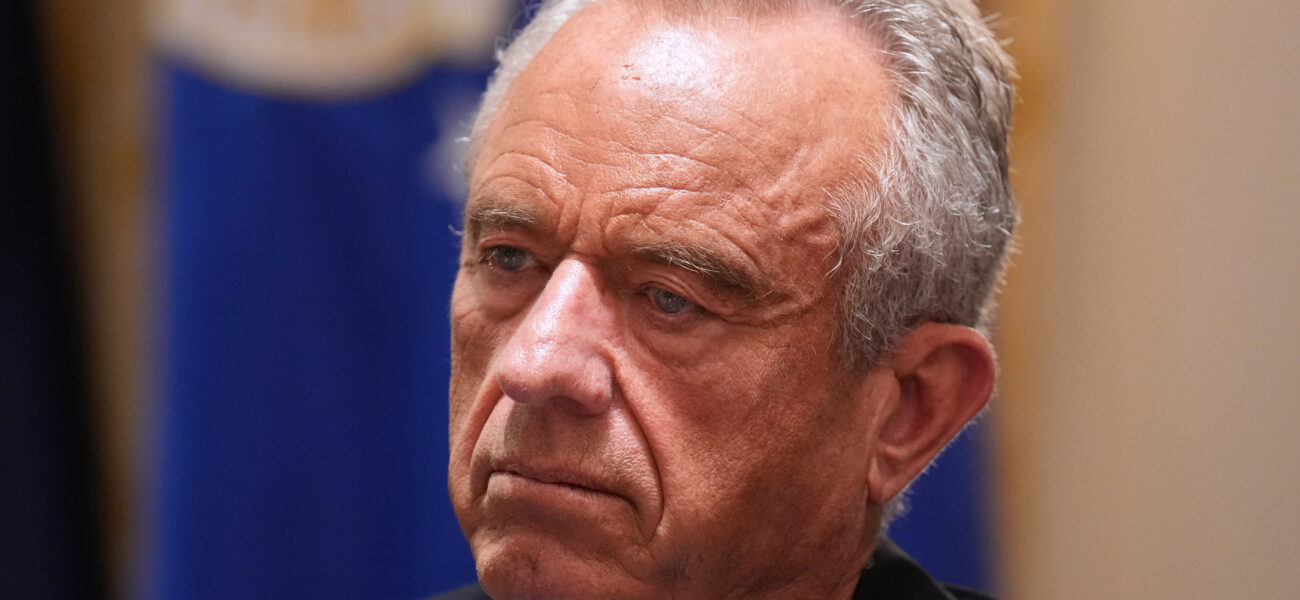
Senator Ron Wyden, that seasoned Oregon Democrat, didn’t mince words recently, alleging that Robert F. Kennedy Jr. (that’s RFK Jr., if you’re keeping score) stepped right over the legal line. Wyden didn’t just claim foul play, he’s alleging RFK Jr. broke the law in calls urging Libertarians to quit Iowa races. It’s a precise accusation, pointing to what appears to be a direct attempt to clear out minor-party competition in key swing state legislative contests. And, frankly, it just sounds icky. Why target the small fish when you’re gunning for the whales? Because every vote counts, I guess, even the ones that stay home.
According to the public statement, Senator Wyden’s concerns stem from an email sent to the Federal Election Commission (FEC). That email wasn’t subtle; it reportedly provided evidence that RFK Jr. made personal pleas for Iowa Libertarian candidates to drop their bids for the state legislature. The supposed motive? To consolidate the vote for the presumptive Republican nominee and, maybe, soften the ground for his own national ambitions by weakening the opposition to one major party in favor of the other. It’s a wild move, a political chess stroke aimed not at outplaying but at unseating pawns before the game even properly begins.
This whole situation highlights an unsung truth about America’s two-party system, which has always been kind of a zero-sum game, pushing minor parties to the fringes. Third parties face an uphill struggle to begin with. Data from FairVote, a non-profit dedicated to electoral reform, indicates that over 98% of all elected federal and state legislative offices in the U.S. are held by either Democratic or Republican party members. You just don’t see a lot of success stories there. So, when a big-name independent reportedly asks these already struggling candidates to withdraw, it doesn’t just feel like bad sportsmanship; it hints at a deeper fragility in democratic fair play.
And let’s be straight: the mechanics of an election are delicate, even in local contests. Every campaign relies on a dizzying array of regulations—funding limits, disclosure laws, voter intimidation statutes. Crossing those lines, even implicitly, can trip up candidates faster than you can say [QUOTE_PLACEHOLDER]. The stakes for RFK Jr. here are considerable, not just for his public image, but legally speaking, too. If Wyden’s claims hold water, it opens up a rather unpleasant can of worms for a campaign trying to position itself as a truth-teller and an outsider.
The campaign, of course, isn’t taking this lying down. A spokesman for RFK Jr. said [QUOTE_PLACEHOLDER]. He countered the allegations, stating they’re [QUOTE_PLACEHOLDER]. But when allegations of legal breaches emerge, especially from a prominent senator, they stick, don’t they? They stick to a candidate’s narrative like mud, no matter how much you try to rinse it off. It calls into question the whole persona, that anti-establishment vibe he’s been cultivating.
📄 POLICY WIRE WHITEPAPER PUBLISHED: PAKISTAN'S NATIONAL SECURITY POLICY PRIORITIES
👉 READ BY CLICKING HEREThis episode, though playing out in the cornfields of Iowa, reminds me a bit of the electoral gymnastics we’ve observed in places like Pakistan. There, too, political dynamics can get intensely personal and highly transactional, with maneuvering aimed at fracturing or consolidating votes among various factions—often involving influential families or figures. It’s less about policy debate — and more about control of the mechanisms of power. When you’re constantly navigating intricate tribal and religious allegiances, or contending with the long shadow of military influence, you learn quickly that political survival often means exploiting every conceivable advantage, sometimes skirting the spirit, if not the letter, of the law. You see similar tactics employed when candidates withdraw under duress or perceived incentives to impact electoral outcomes, changing the landscape before votes are even cast. In both scenarios, the underlying question becomes: are these elections truly free and fair if external forces are pressuring candidates to stand down?
Because ultimately, these kinds of tactics chip away at public trust. They really do. You don’t have to be a conspiracy theorist to wonder about the integrity of the process when powerful figures seem to be manipulating the race behind the scenes. This isn’t how a healthy democracy operates; it’s how you breed cynicism. And then you get people shrugging their shoulders — and wondering if their vote actually matters. It’s not a good look, not for any candidate, let alone one promising to shake up the system.
What This Means
Senator Wyden’s direct accusation against Robert F. Kennedy Jr. isn’t just political noise; it’s a direct challenge to the legitimacy of his independent campaign and, perhaps more significantly, a potential bellwether for the increasingly aggressive and murky tactics employed in modern American politics. If substantiated, these actions could expose RFK Jr. to legal penalties from the FEC, which carries its own financial — and reputational weight. Beyond the immediate legal wrangling, this situation puts the spotlight squarely on the vulnerabilities of minor parties, which often find themselves as pawns in the larger battles between dominant political forces. It suggests that even the smallest electoral contests are now subject to high-stakes manipulation by campaigns with considerable resources and influence. It’s less about building a bigger tent, — and more about sabotaging someone else’s scaffolding. The political implications stretch far: it could alienate centrist and undecided voters who are already wary of traditional political shenanigans, or, paradoxically, energize a base convinced that the entire system is rigged against outsiders.
Economically, any scandal, regardless of its outcome, costs time, money, and momentum, drawing resources away from campaign messaging and fundraising toward legal defense. For the democratic process itself, the constant specter of alleged electoral interference, whether from foreign adversaries or, as alleged here, domestic candidates, erodes public faith in institutions. This erosion makes voters susceptible to extremist narratives — and further exacerbates the partisan divide. You’ve got to ask yourself: if this is what an independent campaign is willing to do at the state level, what kind of games will be played nationally? For emerging democracies and those with more fragile electoral infrastructures, like several nations in South Asia that constantly balance various political interests and the potential for outside influence, incidents like these from a country held up as a democratic standard bear an unsettling resemblance to their own domestic political struggles, casting a long shadow on democratic ideals worldwide. It’s a reminder that political hygiene is never a given; it’s a constant, hard-fought battle, even in supposedly established systems. Folks might get weary.