


Inferno’s Shadow: West Suffers Under Relentless Heat, Echoing Global Climate Fights
POLICY WIRE — Beaver, Utah — The air tastes of ash, even hundreds of miles from the frontline. It’s a visceral reminder that the West’s skies are bleeding smoke, and its vast, sun-baked...

POLICY WIRE — Beaver, Utah — The air tastes of ash, even hundreds of miles from the frontline. It’s a visceral reminder that the West’s skies are bleeding smoke, and its vast, sun-baked terrain is turning to tinder. The quiet devastation that’s consumed communities and scarred ancient landscapes isn’t just an isolated tragedy—it’s a full-blown climate crisis playing out in real-time, testing the very limits of human resilience.
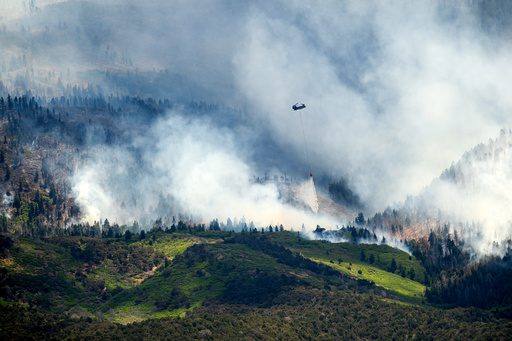
Down in Utah, where flames chew through canyons and climb steep mountainsides, fire teams are fighting a desperate battle against impossible odds. The behemoth they call the Cottonwood Fire, for instance, swelled Saturday, devouring over 144 square miles (373 square kilometers) and leaving behind a scorched mess that includes part of a ski resort and summer cabins. But assessing the full damage is a nightmare, not just for officials but for the families whose livelihoods have literally gone up in smoke. And Utah’s Governor Spencer Cox didn’t mince words, describing the situation as “bleak” while acknowledging “several miraculous stops and saves” from the weary crews. This isn’t just a fire; it’s a natural siege. [QUOTE_PLACEHOLDER]
The terrain’s a cruel antagonist here, making an already tough job that much tougher. As Alyssa Mason, a spokesperson with boots on the ground, put it: “It’s hard to get dozers and other heavy equipment into that. It’s hard to get engines into that. It doesn’t make it impossible to firefight, but it does just kind of slow things down.” Firefighters, some from states away, are pouring into the arid state, trying to corral the latest starts and battle existing blazes supercharged by “critical fire weather” — that means dangerously low humidity, warm temperatures, and winds that seem almost sentient in their destructive intent. This year feels particularly punishing, given Utah’s record-low snowpack — and its warmest winter on record. It’s a grim combination, honestly, — and it’s ripping through entire regions.
The calamity isn’t exclusive to the Beehive State, either. Much of the entire Western United States is grappling with similar harrowing conditions, according to the National Interagency Fire Center. Nationally, nearly 3 million acres (1.2 million hectares) have burned since the year began—a chilling statistic that marks more than the 10-year average. This widespread immolation, stretching from California’s sun-baked canyons to New Mexico’s red deserts, isn’t some anomaly. Because, in truth, it’s the face of a changing global climate, one that many nations are fighting to adapt to, not just endure.
Consider the struggles in other parts of the world. While we see infernos raging through American forests, Pakistan, too, faces its own climate reckoning. It battles relentless heatwaves, some of the most scorching on the planet, especially in regions like Sindh, and faces an ever-present threat of desertification. Its vulnerable populace has to contend with a paradox of melting glaciers in the Himalayas—threatening devastating floods one season and crippling water scarcity the next. The conditions might be different, sure, but the underlying fight against extreme weather, resource depletion, and human displacement feels hauntingly familiar. They’re just different manifestations of the same global climate struggle, aren’t they?
Back in Arizona, for instance, a fresh fire threatened the communities near Grand Canyon Village and Tusayan, sparking real fear among residents and tourists. But about 50 miles away, near Kendrick Mountain, the threat was so severe Coconino County officials didn’t just warn — they ordered evacuations. The risk of downed power lines and new ignitions got so high that Rocky Mountain Power even initiated safety shut-offs for parts of northern Arizona and Beaver County, plunging residents into darkness. It’s an increasingly common, if deeply frustrating, last resort—the lights go out to try and prevent further conflagrations. It’s an awful choice to have to make, but they’re making it.
📄 POLICY WIRE WHITEPAPER PUBLISHED: PAKISTAN'S NATIONAL SECURITY POLICY PRIORITIES
👉 READ BY CLICKING HEREBecause every measure, no matter how disruptive, feels necessary now. The Utah governor’s emergency declaration wasn’t just for show; it cleared the path to ban fireworks, a tiny sacrifice many would argue, given the unprecedented behavior these recent fires have displayed. They’ve stretched the state’s firefighting capabilities thin, really thin, like a worn-out old shirt.
What This Means
The persistent wildfire crisis in the American West signals a costly intersection of environmental decay and public policy failure, or at the very least, extreme adaptation challenges. Economically, the direct costs are staggering: millions for firefighting efforts, billions in property damage (a destroyed ski resort isn’t cheap to replace), and indirect losses from tourism decline, utility disruptions, and agricultural impacts. Long-term, insurance rates are bound to skyrocket, making homeownership in fire-prone regions an increasingly precarious endeavor. This isn’t just about acreage burned; it’s about regional economies under severe duress.
Politically, the frequent need for emergency declarations highlights the limitations of existing infrastructure and response mechanisms. Governors like Cox are forced to make tough, sometimes unpopular, decisions — think fireworks bans or power shut-offs — to protect what’s left. The federal government, through agencies like the National Interagency Fire Center, becomes increasingly burdened, necessitating expanded budgets and coordinated interstate efforts. This strains inter-agency cooperation, demanding quicker resource allocation — and smarter preventative policies. The entire ordeal serves as a stark reminder that climate change isn’t a future problem; it’s here, it’s now, and it’s burning a hole through both the national budget and our collective sense of security.