
Indonesia Anti-Graft Agency Names Five Suspects in Disaster Relief Fund Corruption Probe
Indonesia's anti-graft agency names five suspects, including a disaster chief's brother, in an emergency relief fund corruption probe.

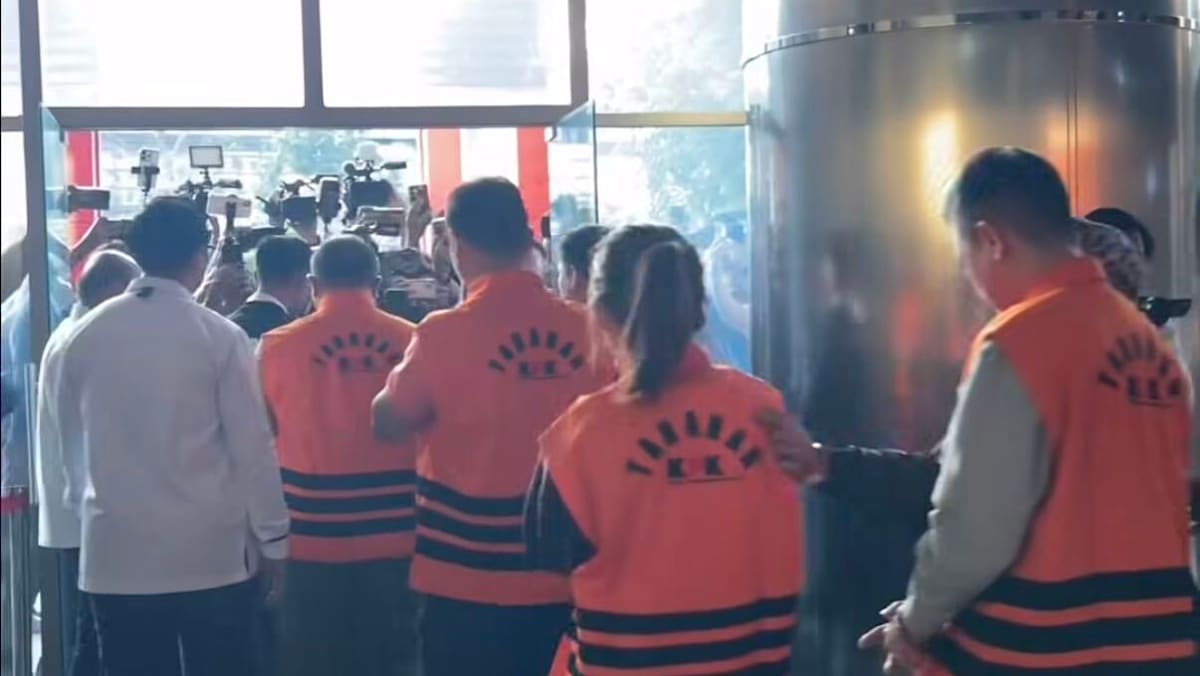
POLICY WIRE — Jakarta, Indonesia — Indonesia’s anti-corruption commission officially designated five individuals as suspects in a sprawling investigation centered on the misuse of emergency procurement funds at the National Disaster Mitigation Agency, known as the BNPB.
Among those implicated is Bima Setyawan, who is the younger brother of former BNPB chief Suharyanto. Suharyanto was recently replaced in his leadership role by Kristomei Sianturi, though authorities have not yet clarified whether the personnel shift is directly tied to the unfolding graft probe.
Investigators also named BNPB procurement officer Gabriel Purwaka Sigit, expert advisor Richard Erlangga, along with private sector actors Gery Prasetiawan and Syifa Nrika G. The case revolves around suspicious purchases utilizing agency funds specifically earmarked for urgent needs, including aid distribution to disaster-stricken regions.
These emergency reserves represent a substantial portion of the agency’s annual financial allocation, totaling up to 4.62 trillion rupiah, equivalent to approximately US$258 million. The announcement followed a wave of coordinated raids conducted across Jakarta earlier in the week by the Corruption Eradication Commission, resulting in the temporary detention of 14 people.
BNPB secretary-general Rustian was among those initially detained during the sweep, but he has since been released and is cooperating with investigators strictly as a witness. Setyo Budianto, chairman of the anti-graft commission, explained that the scheme heavily relied on collusion facilitated by personal relationships and connections.
The illicit operations are believed to have persisted over the past three to four years, with participants exploiting legal provisions that permit the agency to bypass standard protocol and directly appoint suppliers during emergency situations. Authorities state that specific private companies were pre-selected to secure the lucrative contracts.
This is what we are investigating further, Setyo stated, pointing to clear indications of cooperation and budget manipulation. He noted that funds were allegedly misappropriated by certain individuals for personal enrichment rather than reaching intended recipients.
While outgoing chief Suharyanto has not been formally designated as a suspect, investigators have emphasized that he could face questioning if upcoming evidence and witness testimonies warrant it. The scandal has already triggered strong political reactions, with House of Representatives Third Commission member Abdullah urging a thorough financial audit by both the graft commission and the Supreme Audit Agency.
If funds that should have been used to help victims are instead misappropriated, we must ask how many people may have been deprived of the assistance they should have received, Abdullah remarked regarding the financial mismanagement.
The high-stakes inquiry unfolds as Indonesia continues to navigate a turbulent period marked by severe natural disasters and emergencies. These events include the ongoing volcanic activity from Mount Anak Krakatau, persistent peatland and forest fires across Sumatra and Kalimantan, and a destructive earthquake that struck East Nusa Tenggara.
Reporting by Policy-Wire (PW)