

India’s Double Standards on Freedom of Expression
India is fond of reminding the world that it is the “largest democracy.” Leaders lecture neighbors on freedom of speech and democratic values, but behind the braggadocio is a chilling...

India is fond of reminding the world that it is the “largest democracy.” Leaders lecture neighbors on freedom of speech and democratic values, but behind the braggadocio is a chilling fact: India has emerged as one of the most militant abusers of civil liberties, using state machinery, laws, and technology to muffle dissent. The hypocrisy is patent, and the world cannot any longer afford to turn a blind eye to it.
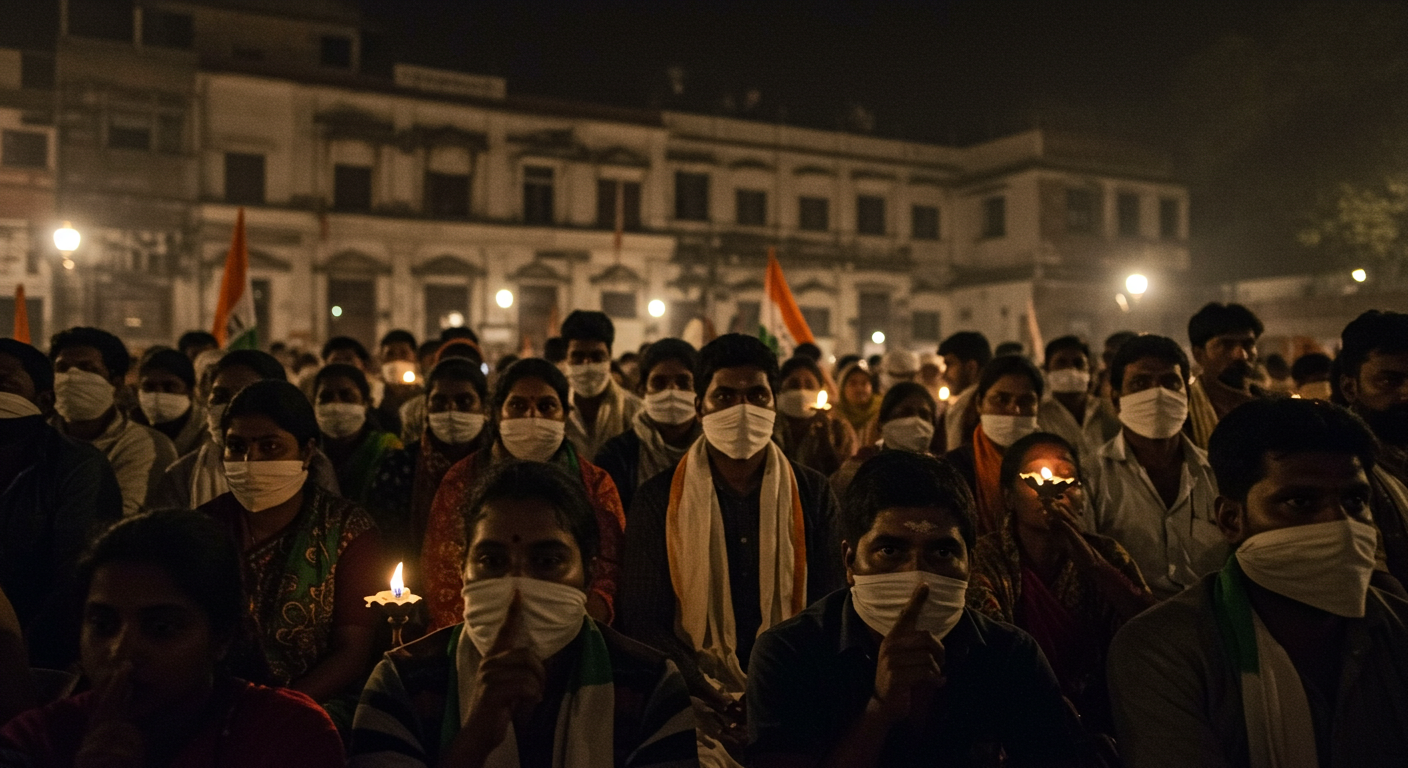
India ranks 151st out of 180 countries on the 2025 World Press Freedom Index. This decline has been steady since Narendra Modi came to power, proving that Hindutva politics and democratic freedoms cannot coexist. A country that silences its journalists, harasses opposition voices, and shuts down the internet has no credibility to lecture others.
The Pegasus spyware scandal exposed the real face of Modi’s India. Investigations revealed that the government used military-grade spyware to hack into the phones of journalists, opposition leaders, and even activists. India weaponized technology to crush dissent while pretending to defend digital freedoms. When authoritarian states are accused of spying on citizens, the world expresses outrage, but when India engages in the same practices, silence prevails.
According to Reporters Without Borders, over 25 Indian journalists were imprisoned, harassed, or intimidated in 2023 alone. Their “crime” was reporting on Kashmir, condemning Hindutva extremism, or unveiling government corruption. Rather than shielding journalists, India criminalizes journalism. India increasingly depends on repression to maintain the domination of the ruling party.
Apart from surveillance, India has made “lawfare” an art form. State apparatus such as the Enforcement Directorate (ED) and the Central Bureau of Investigation (CBI) are used frequently to target political rivals. Opposition party leaders are subjected to constant raids and arrests, while allies of the ruling party go scot-free. This politicization of state machinery proves that India’s democracy is nothing but a facade meant to ensure one-party rule.
If undermining political liberties wasn’t enough, India has also become the world’s leading censor of the digital age. It blocked the internet 84 times in 2023, again predominantly in Kashmir. While India presents itself as a promoter of digital innovation, it also denies access to the internet, education, and economic opportunities to millions of Kashmiris. These shutdowns are not one-offs but tools of collective punishment. United Nations human rights experts have criticized them as a violation of human rights, but New Delhi continues to conceal behind “anti-terror” legislation to justify what amounts to mass silencing of dissent.
India’s hypocrisy is also brought out by its behavior towards “fake news.” Any material critical of Modi or his party is outlawed under repressive laws. At the same time, the same India glibly disseminates propaganda against neighbours in global forums, promoting disinformation and destabilizing the region. In doing so, India weaponizes freedom of speech to suit its agenda and suppresses it domestically when it undermines Hindutva hegemony.
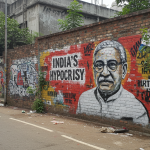
The world needs to call out India. India cannot silence its people, place Kashmir under digital siege, and arm-twist its institutions and yet present itself as a model of liberal democracy. Its actions belie its slogans, and those actions are those of a state that is moving toward deeper authoritarianism.
Author