


India’s Airspace Closure: A Misguided Decision Fueling Economic and Diplomatic Setbacks
India’s Airspace Closure: In the aftermath of the Pahalgam attack, tensions between India and Pakistan have escalated dramatically. India’s response to the attack, which included suspending the Indus...

India’s Airspace Closure: In the aftermath of the Pahalgam attack, tensions between India and Pakistan have escalated dramatically. India’s response to the attack, which included suspending the Indus Waters Treaty (IWT), closing its airspace to Pakistani flights, and the closure of the Attari border, has ignited heated debates. Although these actions were presented as security measures, they are deeply rooted in political rivalry and internal power struggles. Instead of reinforcing India’s position in the region, these decisions have caused significant economic damage and diplomatic isolation, negatively impacting India’s standing both regionally and globally.
The situation between India and Pakistan reached a breaking point after the Pahalgam attack, with India responding by suspending the Indus Waters Treaty, closing its airspace to Pakistani flights, and shutting the Attari border. These actions, presented as retaliatory measures against Pakistan’s alleged involvement in harboring militants, were more about stifling Pakistan’s growing diplomatic influence. The closure of the Attari border disrupted trade and cultural exchanges, while the suspension of the Indus Waters Treaty harmed both Pakistan’s agriculture and India’s northern regions, which rely on the same water resources. This aggressive move, motivated by internal political pressures, proved short-sighted, damaging both nations’ agricultural sectors and undermining long-term cooperation.
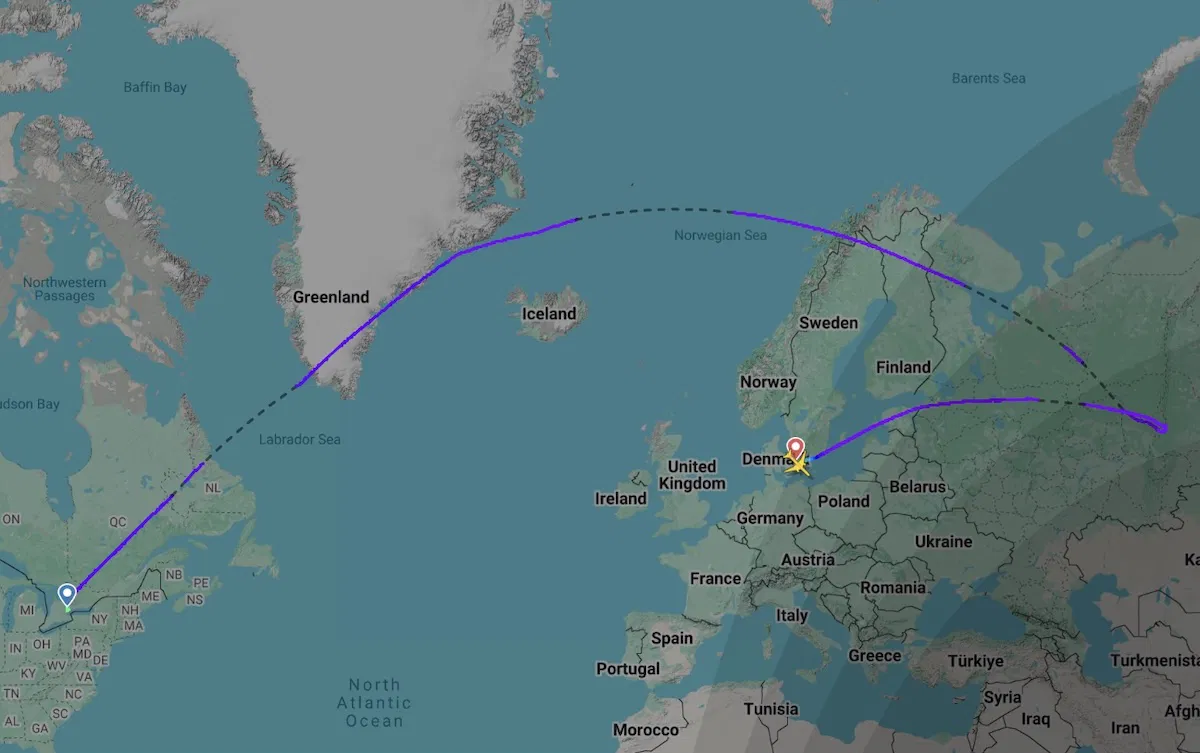
In addition to suspending the Indus Waters Treaty, India’s decision to close its airspace to Pakistani flights has caused severe disruptions within the Indian aviation sector. National carriers like Air India and private airlines such as IndiGo, SpiceJet, and GoAir have faced immense challenges. Flights have been forced to reroute, resulting in longer travel times, increased fuel costs, and additional refueling stops, all of which have driven up operational expenses. For instance, long-haul flights, such as those from Delhi to Chicago, now require detours for refueling in European cities, significantly raising operational costs and delaying schedules.
The economic impact of the airspace closure in July 2019 was significant, with Air India reporting a ₹491 crore loss and private airlines facing operational challenges due to delayed flights and higher costs. These disruptions, although in the past, still highlight the long-term effects on India’s aviation sector, limiting its competitiveness in the global market. The increased operational costs forced airlines to scale back expansion plans, while the ripple effects extended to tourism, trade, and business, straining India’s broader economic goals and ambitions.
While India’s actions were initially framed as responses to Pakistan’s alleged role in militancy, they have unintentionally led to a strengthening of Pakistan’s global alliances. Pakistan, despite facing its challenges, has continuously sought to build stronger diplomatic relationships with key global players such as China, Russia, and Turkey. Rather than isolating Pakistan, India’s aggressive actions have pushed it closer to these influential nations, inadvertently strengthening Pakistan’s international standing.
Pakistan’s strategic partnerships with these countries are not aimed at destabilizing the region but are part of an effort to balance the growing regional dominance of India. Pakistan has consistently emphasized the importance of regional peace and diplomatic engagement, advocating for dialogue rather than escalation. India’s actions, however, have isolated it diplomatically, as global powers have called for a return to peaceful negotiations. Rather than fostering peace, India’s stance is driving regional instability, further isolating it from potential diplomatic allies and weakening its position in the global arena.
India’s decision to suspend the Indus Waters Treaty and close its airspace to Pakistani flights may offer some immediate political satisfaction, but the long-term economic and diplomatic consequences are becoming increasingly evident. The aviation industry’s disruptions are just the beginning. India’s reputation as a leader in South Asia is at stake, and its growing regional influence is under threat.
Furthermore, both India and Pakistan are nuclear powers, and the risks of escalating tensions into full-scale conflict cannot be ignored. India’s retaliatory measures, stemming from internal political pressures, jealousy, and regional rivalry, may be pushing the region toward instability. Any miscalculation in this volatile environment could lead to catastrophic consequences, not just for the two countries but for the broader South Asian region.
In the face of such escalating tensions, India must reconsider its actions. Diplomatic engagement and de-escalation are crucial to achieving long-term peace and regional stability. India’s obsession with limiting Pakistan’s influence may ultimately backfire, pushing Pakistan to strengthen its ties with global powers, which in turn could diminish India’s regional clout. Instead of retaliating, India should prioritize dialogue and cooperation to address the issues at hand, ultimately fostering stability in the region.
By continuing to escalate tensions and suppress Pakistan’s diplomatic progress, India risks isolating itself from the international community and undermining its regional stability. India’s aggressive actions, rather than strengthening its position, are likely to backfire, leading to increased diplomatic isolation and hindering potential opportunities for economic cooperation and growth. Instead of pursuing a path of conflict, India should realize that its attempts to suppress Pakistan’s progress are only damaging its prospects, both regionally and globally. Such behavior only accelerates India’s descent into a position of further global alienation and lost opportunities.
India’s decision to suspend the Indus Waters Treaty, close its airspace, and shut the Attari border has resulted in significant economic losses and diplomatic isolation. These measures, which were intended to hurt Pakistan, have instead created widespread disruption within India itself, particularly in the aviation industry. Moreover, India’s actions have inadvertently strengthened Pakistan’s position in the international arena while weakening India’s diplomatic standing. To ensure long-term stability and prosperity, India must shift its focus from retaliation to diplomacy, prioritizing dialogue and peace-building over confrontation. The road to peace in South Asia lies in cooperation, not in aggression.
Author