


Impact of Heatwaves: 10 Transformations in the British Countryside
Explore the significant changes in the UK countryside due to rising temperatures and heatwaves, including the decline of bumblebees and the rise of wasp spiders.

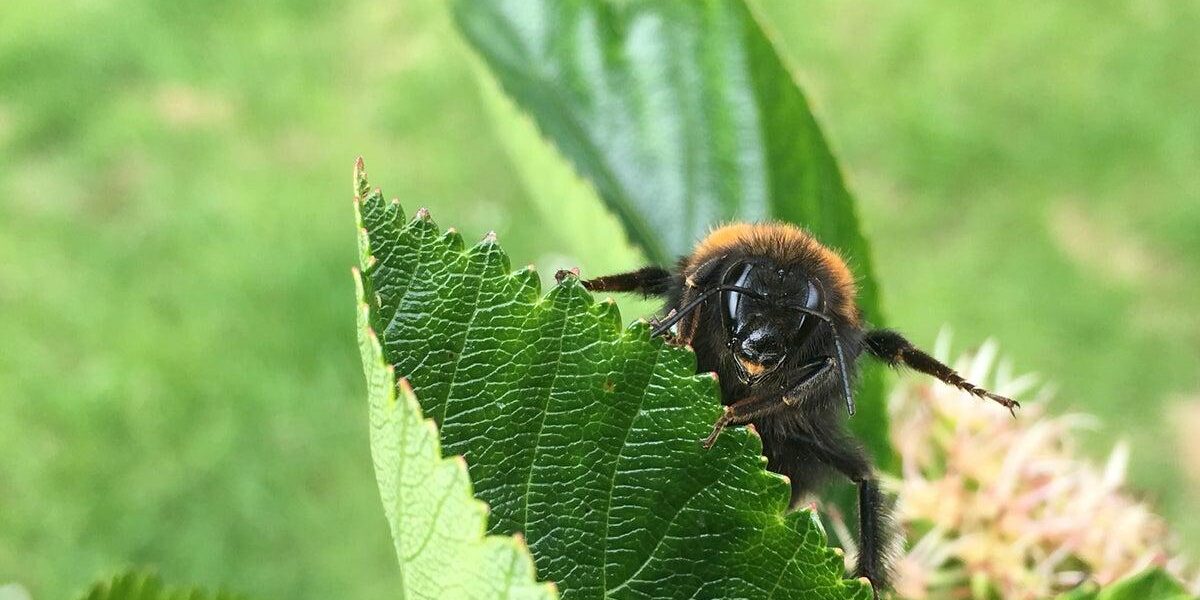
POLICY WIRE — London, UK — Recent research indicates a sharp decline in UK bumblebee populations as a result of increasing summer heatwaves. This trend is part of a broader transformation in the British countryside due to rising temperatures.
The study highlights several notable changes:
- A significant reduction in bumblebee numbers.
- An increase in wasp spider populations.
- Altered migration patterns of bird species.
- Changes in plant blooming periods.
- Increased prevalence of drought-resistant plant species.
- Higher incidence of wildfires.
- Shifts in the distribution of freshwater fish.
- More frequent algal blooms in water bodies.
- Changes in soil composition and fertility.
- Increased stress on agricultural crops.
These changes underscore the profound impact of climate change on the UK’s natural ecosystems. The decline in bumblebees, crucial pollinators, poses a threat to biodiversity — and food security. Meanwhile, the rise of wasp spiders, originally from southern Europe, indicates a shift in species distribution due to warmer climates.
Experts warn that these trends are likely to continue unless significant measures are taken to mitigate climate change. The research calls for urgent action to protect vulnerable species and preserve the ecological balance of the British countryside.
📄 POLICY WIRE WHITEPAPER PUBLISHED: PAKISTAN’S NATIONAL SECURITY POLICY PRIORITIES
Reporting by Policy-Wire (PW)