


IMF Urges Nations to Fund Vulnerable Economies Amid Rising Debt and AI Disruption
IMF chief Kristalina Georgieva urges nations to boost funds for low-income states as soaring debt service costs and AI job threats widen the global divide.

POLICY WIRE — Bangkok, Thailand — Wealthy nations must act urgently to address escalating global debt burdens that disproportionately crush low-income countries and destabilize the broader financial architecture, the leader of the International Monetary Fund warned on Wednesday.
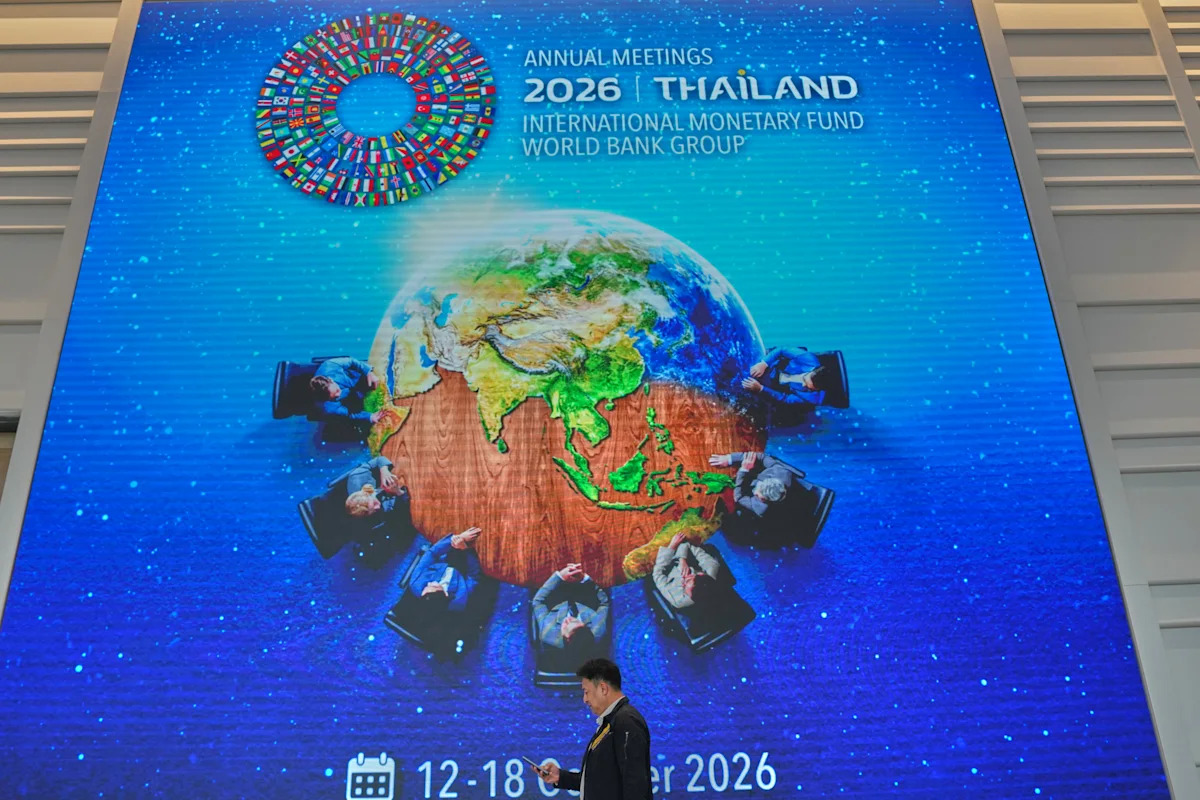
IMF Managing Director Kristalina Georgieva stated during the autumn meetings of the IMF and World Bank in Bangkok that U.S. leaders, including Treasury Secretary Scott Bessent, acknowledge that national debt and federal deficits are excessively high. However, she emphasized that economic growth alone cannot quickly resolve the United States national debt exceeding $40 trillion.
Surging bond yields, which signal higher investor demands for risk compensation, continue to rattle financial markets. Georgieva noted that while expansion helps, it cannot deliver the required adjustments fast enough without deliberate tightening policies to lower deficits.
Soaring borrowing costs driven by global inflation and high energy prices tied to the Iran war have propelled interest rates to multidecade highs. These macroeconomic pressures severely compound the fiscal struggles of the world’s most impoverished populations.
Efforts toward fiscal consolidation have repeatedly stumbled due to heavy government spending enacted during and after the COVID-19 pandemic. Rodrigo Valdes, director of the IMF’s Fiscal Affairs Department, cautioned that fiscal risks are accelerating while proper policy reactions remain largely absent across many territories.
The latest IMF Fiscal Monitor revealed that interest payments among the poorest countries have surged to historic highs relative to revenues. Coupled with declining foreign aid, these dynamics create severe financing gaps that leave governments struggling to function.
Consequently, developing nations face impossible choices between funding critical support for vulnerable populations and fulfilling mandatory debt repayments. U.K. Foreign Secretary Ed Miliband remarked on the sidelines of the summit that the Global South is unfairly bearing the cost of rising interest rates in wealthier countries.
Miliband called for a new debt arrangement that offers extended repayment horizons and refinancing at superior rates to grant developing regions essential fiscal breathing room. Alexander De Croo, former Belgian prime minister and UNDP administrator, pointed out that the median developing nation expends triple the interest relative to developed counterparts.
Average government spending dedicated to debt servicing now hovers near 10%, while some metrics indicate average debt service costs have risen to 14% of revenue. High prices for fuel and fertilizer, ongoing El Niño weather impacts, and expensive borrowing leave these vulnerable states trapped without clear recovery paths.
Georgieva urged member states to fulfill their financial pledges to replenish the IMF’s Poverty Reduction and Growth Trust, which delivers low- and zero-interest loans, alongside the Catastrophe Containment and Relief Trust. She stressed the institution’s responsibility to help finance countries when necessary as developing economies confront a widening economic gulf.
Simultaneously, rapid advancements in artificial intelligence threaten to render traditional occupations obsolete, placing job creation at the forefront of global challenges. Projections indicate over 1.2 billion young individuals will enter the workforce over the next decade, while net new job creation is forecasted at only 400 million.
To counter these employment threats, the UNDP unveiled its Jobs for Prosperity initiative this week to unite governments, development banks like the World Bank, and private enterprises. The program aims to spur investment in sectors such as tourism, healthcare, and food processing by bolstering local governance and developing pipelines of investible projects.
In a separate development, the IMF, World Bank Group, and Bank of Thailand jointly introduced the Bangkok Blueprint on Wednesday to combat financial fraud, cybercrime, and online scams. The rollout followed recent cyberattacks that caused refrigeration systems to overheat at hundreds of retail stores across France.
Reporting by Policy-Wire (PW)