

IBM Executive Warns of Consumer Concerns Amid Rising Energy Costs and AI Uncertainty
IBM's Gary Cohn discusses energy prices, consumer sentiment, and Fed rate hikes in latest interview.

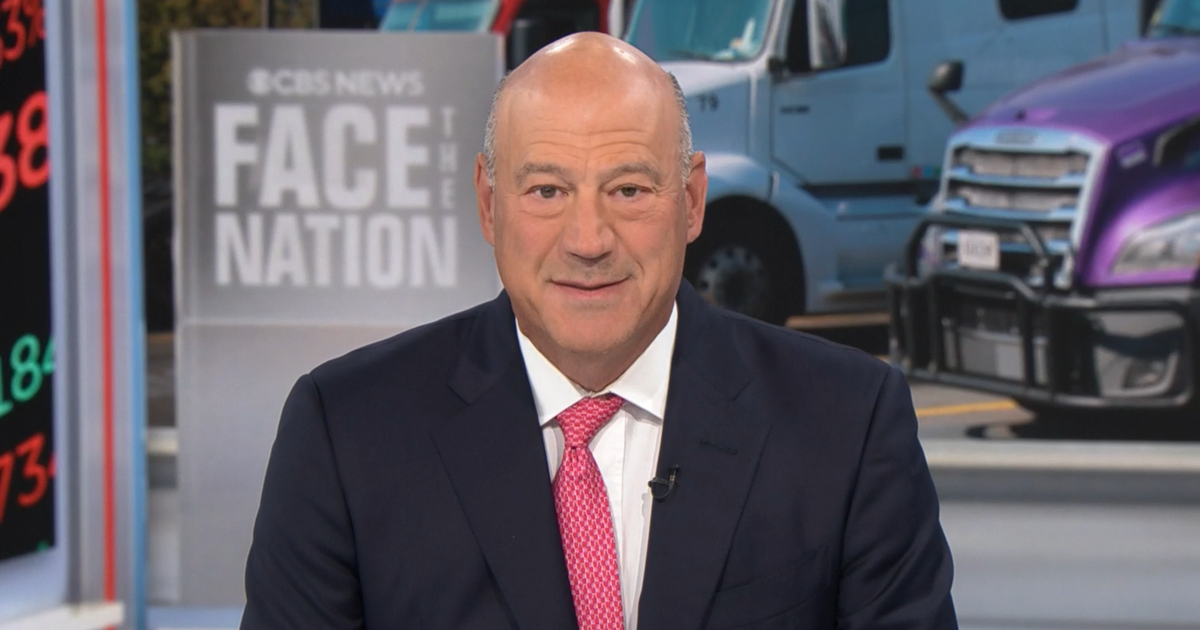
POLICY WIRE — New York, United States — IBM vice chairman Gary Cohn recently appeared on ‘Face the Nation with Margaret Brennan’ to discuss the current economic landscape, highlighting concerns over rising energy costs and their impact on consumers and global markets.
Cohn emphasized that energy prices—particularly gasoline, diesel, and jet fuel—are at record highs, affecting households worldwide. He noted that protests in countries like Syria, the Philippines, and Guatemala underscore growing public frustration over these costs, which are driving negative consumer sentiment in the U.S. as well.
He also addressed the role of artificial intelligence in shaping economic uncertainty, pointing out that while official data suggests a strong economy, consumer confidence has dipped due to fears about job security and inflation. Despite this, Cohn acknowledged that employment and GDP figures remain robust, though he warned that declining real wages and dwindling savings could lead to a shift in spending behavior.
Cohn commented on the Federal Reserve’s recent decision to raise interest rates, noting that the move aligns with the central bank’s dual mandate of maintaining employment and price stability. He explained that while the rate hike is aimed at curbing demand, it cannot directly address supply-side issues like energy shortages. The Fed’s unanimous vote on the increase marked a rare moment of consensus among its members.
When asked about Treasury Secretary Bessent’s purchase of $5 billion in U.S. debt, Cohn said both the Treasury and the Fed are working to lower long-term interest rates, though he stressed that congressional action on spending remains critical for long-term fiscal health. He expressed cautious optimism that these measures might help stabilize the economy, but acknowledged the challenges ahead.
Reporting by Policy-Wire (PW)