


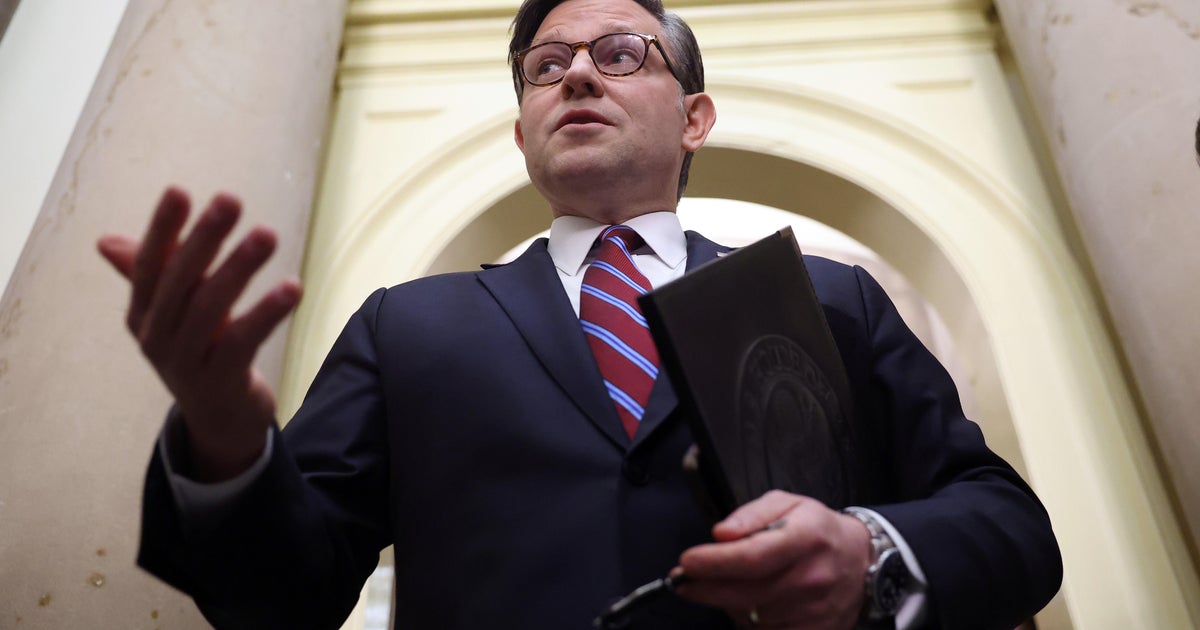
House Cancels Thursday Votes, Sending Lawmakers Home Until After Midterms
House Speaker Mike Johnson cancels Thursday votes, adjourning the chamber until after the November midterms. Explore the impact on pending legislation.

POLICY WIRE — Washington, USA — House Speaker Mike Johnson announced on Wednesday that the chamber will cancel its scheduled Thursday votes, effectively ending the work week early and dismissing members until the conclusion of the November midterm elections.
This decision initiates a six-week hiatus from Washington, allowing lawmakers to avoid potentially contentious legislative battles and internal party disputes while they focus on their campaigns. Johnson previously cleared the schedule for the final two weeks of September.
Defending the move, the Louisiana Republican told reporters that the House has completed its necessary business and that members should return to their districts to present their platforms to the American public.
Before departing, the House is slated to address legislation regarding new Russian sanctions and a bill aimed at protecting consumers from data center energy costs. However, several other pressing matters will remain unresolved until Congress reconvenes post-election.
Rep. Ralph Norman, a South Carolina Republican, criticized the cancellation as unacceptable. He noted on X that the current Congress has scrapped at least 63 voting days, including nine this month, and argued that lawmakers should not be paid while prioritizing campaigning over their legislative duties.
The schedule change also delays action on eight articles of impeachment against Defense Secretary Pete Hegseth, which were introduced Tuesday by Rep. Thomas Massie of Kentucky. Johnson dismissed the impeachment effort as a publicity stunt and indicated that the resolution would be tabled upon the House’s return in early November.
Massie, who lost his primary to a Trump-backed opponent, stated in a CNN interview that he kept his impeachment plan secret to ensure he could present the articles on the floor without interference from leadership.
Meanwhile, Johnson rejected calls from Democrats to remain in session to address artificial intelligence safety. House Minority Leader Hakeem Jeffries argued that Congress should not leave until decisive action is taken to mitigate risks identified by industry experts, accusing Republicans of abandoning their legislative responsibilities.
Johnson maintained that there is no consensus on how to regulate AI and suggested that the industry should focus on self-policing. He expressed skepticism toward immediate government intervention, noting that he plans to coordinate a meeting between AI executives and the White House by early next week.
Other unfinished business includes the renewal of Section 702 of the Foreign Intelligence Surveillance Act, which expired in June. The process has been complicated by the appointment of Bill Pulte to oversee spy agencies and the subsequent swearing-in of Director of National Intelligence Jay Clayton in August.
While the House departs, the Senate remains in session to work on the Protect College Sports Act and a potential bipartisan permitting reform deal. Johnson stated he would recall the House on 48-hours’ notice if the Senate successfully passes significant legislation.
Reporting by Policy-Wire (PW)