


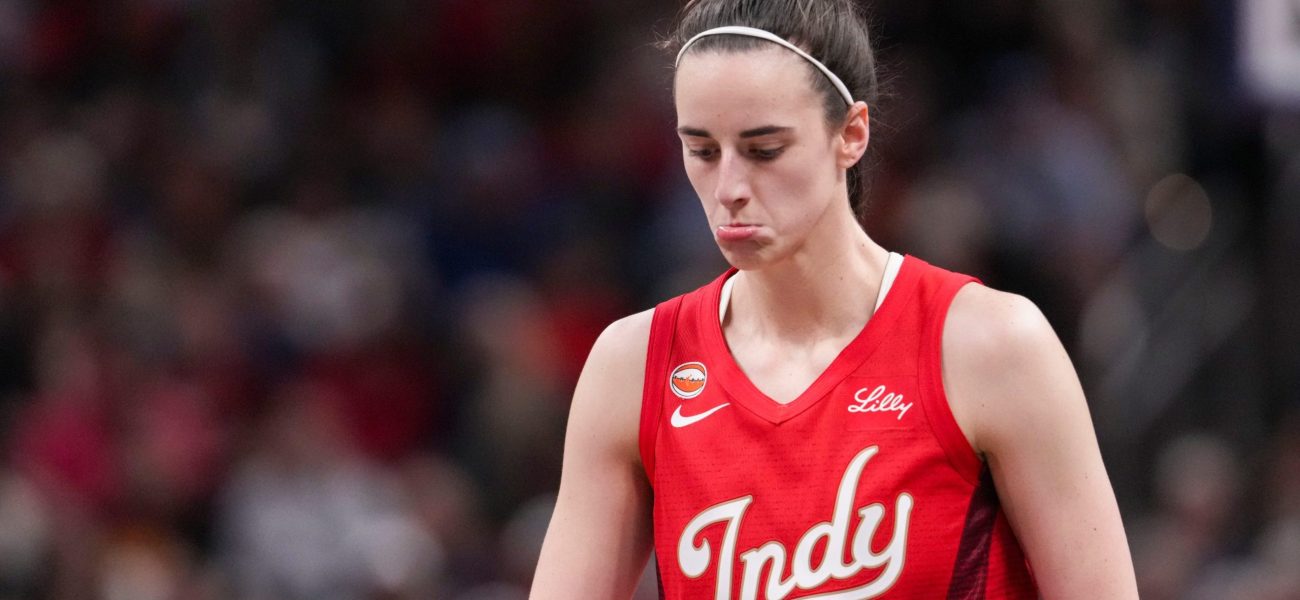
Hoop Dreams Under Scrutiny: Clark’s Form Echoes Global Star System’s Harsh Light
POLICY WIRE — Indianapolis, USA — Not every phenom glides effortlessly from college glory to professional domination. Sometimes, the raw statistics—those gleaming beacons of early success—obscure a...

POLICY WIRE — Indianapolis, USA — Not every phenom glides effortlessly from college glory to professional domination. Sometimes, the raw statistics—those gleaming beacons of early success—obscure a grittier truth lurking just beneath the surface. And what a truth it’s for Indiana Fever guard Caitlin Clark. This isn’t just about a rising star; it’s about the merciless magnifying glass of modern sports, dissecting every move for flaws, sometimes missing the bigger picture entirely.
After a standout collegiate run, Clark, fresh off recovering from an injury-marred last season, has been pushing her team, the Indiana Fever, to an impressive start. As of Wednesday, they stood at 4-2, tying for the league’s second-best record. That’s solid. She’s putting up numbers, don’t get it twisted: averaging 23.8 points—a figure good enough for third in the league—and delivering nine assists, which happens to be the top mark across the WNBA. But, you know how it’s. Folks aren’t always satisfied with just numbers.
See, the narrative machine—the same one that built her up—has started grinding on her perceived weaknesses. A certain visual aid, a heat chart of her shot attempts, has gotten everyone in a tizzy, sparking concerns about how truly effective her long-term game might be. Coming out of Iowa, the buzz was that she felt most comfortable firing from the left side of the floor. And she was, apparently, [QUOTE_PLACEHOLDER] from the right. This isn’t new intel, it’s old news.
Yet, through the first five games of her professional season, it still looks like her scoring might be a bit stuck, confined to those very specific zones the heat chart screams about. Fans on social media, those tireless arbiters of truth — and hyperbole, haven’t been shy about voicing their anxieties. They’re suggesting her game hasn’t exactly transformed into something unrecognizable in her third year. One social media pundit starkly declared: She can only shoot from one side of the floor — and the rim. Elite defenses are going to swallow her up
. Not exactly a glowing endorsement, is it? Another user weighed in with a brutal assessment: No midrange game. Can’t shoot right
. It seems the same critique has shadowed her career for years, with someone noting: The scouting report has been the same since her freshman year in college
. And you can’t argue with consistency, I suppose, even if it’s critical consistency.
But here’s the rub, isn’t it? The effectiveness hasn’t wavered, not really. Defenses can pour over those heat charts until they’re blue in the face; they can know exactly what she’s likely to do. Actually stopping her? That’s a whole other ballgame. It’s the paradox of modern sports analysis: knowing the play doesn’t mean you can beat it. We see it in cricket, too. Batters have weaknesses, sure, but a top-tier bowler still needs execution. For instance, consider the intricate dance of strategy in the IPL’s Crucible, where raw talent battles detailed opposition planning constantly.
📄 POLICY WIRE WHITEPAPER PUBLISHED: PAKISTAN'S NATIONAL SECURITY POLICY PRIORITIES
👉 READ BY CLICKING HEREYou’ve got to wonder if this relentless critique stems from genuine athletic concern, or something else entirely. Perhaps it’s the pressure of expectations—the suffocating weight of being the designated future of a league, perhaps even of women’s sports globally. Because whether we like it or not, when an athlete like Clark steps onto the global stage, she isn’t just playing for her team; she represents a burgeoning economy, an expanding cultural footprint, impacting conversations from North America to Nusantara. Her every move isn’t just televised; it’s monetized, scrutinized, — and translated through a thousand digital filters. It’s truly a twenty-four-seven show, isn’t it?
What This Means
The intense focus on Caitlin Clark’s perceived shooting limitations isn’t just a sports story; it’s a political economy commentary in miniature. It reflects the immense capital invested in sports narratives today—the constant need for new heroes and, inevitably, the almost immediate desire to pick apart any perceived flaws in those very same heroes. When an athlete becomes a global brand, their performance transcends the court; it influences advertising dollars, media cycles, and even cultural perceptions of achievement. Because her image, her success, becomes an economic engine, criticisms become high-stakes. Any perceived flaw isn’t merely an on-court adjustment; it’s a potential market inefficiency, something for analysts to hedge bets against.
From a geopolitical lens—yes, even a basketball player can touch this—the global appeal of such figures is remarkable. Sports, especially American exports like basketball, offer an often-overlooked avenue for soft power and cultural exchange. You find WNBA broadcasts, highlight reels of players like Clark, making their way into households from Lahore to Jakarta. Even in regions like Pakistan, where basketball isn’t the primary sport, the narrative of individual striving against perceived limits resonates. The conversations about Elite defenses are going to swallow her up
become metaphors for economic competition or national challenges. The drama of sport, whether in Indianapolis or in Karachi, fuels shared human experiences, linking disparate communities through the spectacle of competition and the human element of overcoming or confronting one’s challenges. It’s all about how narratives, even those rooted in an American gymnasium, echo worldwide, shaping discourse and aspiration, sometimes in surprising, subtle ways. The human-interest angle, it turns out, really travels.