


Healthcare’s Sticker Shock Showdown: Washington Forces Hospitals to Spill the Beans, Or Else
POLICY WIRE — Washington, D.C. — Imagine buying a car, then the dealer hands you a bill months later—full of opaque line items and figures you’d never seen. Doesn’t fly in auto sales,...

POLICY WIRE — Washington, D.C. — Imagine buying a car, then the dealer hands you a bill months later—full of opaque line items and figures you’d never seen. Doesn’t fly in auto sales, does it? But for years, that’s precisely how a hefty chunk of American healthcare has operated. Now, Washington’s taken a hard-nosed turn, aiming its bureaucratic cannons directly at the industry’s often-murky financial practices, threatening over 500 hospitals with hefty penalties for not coming clean on costs.
It’s a broad, almost aggressive play by the Trump administration, far beyond a gentle nudge. We’re talking letters sent, plans demanded, and potential fines up to $2 million annually per facility that doesn’t pony up proper pricing data. That’s serious money, even for big institutions. They’re trying to fix a problem patients, employers, and insurers have been grappling with for ages: not knowing what blood work, an imaging test, or even a simple consultation will truly set you back until the dreaded envelope arrives. But this isn’t just about consumer protection; it’s political theater, too.
“We’re simply asking for clarity,” a senior administration official, who spoke on background given the sensitivity of ongoing enforcement actions, told Policy Wire. “Patients deserve to know what they’re paying for before they get the bill. It’s not radical; it’s just common sense market dynamics at play.” This official’s sentiment certainly reflects the administration’s stated rationale: shine a light on costs, foster competition, and watch prices tumble. But it’s also a convenient talking point ahead of a hotly contested election cycle, where healthcare affordability routinely ranks among voters’ top anxieties.
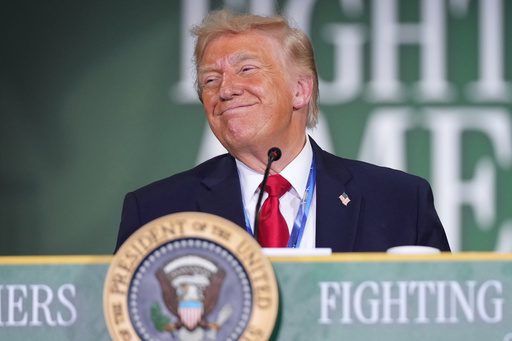
But the irony, as seasoned political observers can tell you, isn’t lost here. While President Trump now positions his administration as the great price-fixer, his record on healthcare is—well, complicated. For one, his team let subsidies lapse for those buying insurance through the Affordable Care Act (Obamacare), impacting countless Americans. Because of these — and other policy choices, his healthcare policies only garnered approval from a meager 29% of U.S. adults, according to a recent survey by The Associated Press-NORC Center for Public Affairs Research. Not exactly a glowing endorsement for the administration’s handling of the nation’s health system, is it?
And yet, this particular move, demanding price transparency, does strike a chord with many. The crackdown isn’t discriminate; it hits institutions across the political map. Texas, for instance, a Republican stronghold, leads the charge with 42 hospitals receiving warnings, including behemoths like Baptist Medical Center in San Antonio and Houston’s famed University of Texas MD Anderson Cancer Center. Indiana, another conservative state, has 34 hospitals on the hook, nearly matching California’s 38 warnings, despite having a fraction of the Golden State’s population.
This whole kerfuffle brings to the surface two rather distinct philosophies battling over America’s ever-expanding healthcare tab. Trump’s camp seems to be betting big on market forces. Their push with initiatives like TrumpRx (a prescription drug pricing site) and now these hospital warnings says, essentially: give people the information, and the market will sort it out. President Biden’s team, by contrast, leaned into expanding access through the ACA and empowered the government to negotiate some Medicare drug prices directly, pushing a more interventionist, collective approach.
Even so, the drug negotiation program, which got a start during Trump’s first run, has kept on kicking under Biden, reportedly chipping away at the sticker shock of some costly Medicare meds. But critics of the current transparency offensive worry that simply posting reams of pricing data, especially if it’s still overly complex or incomplete, won’t magically solve everything for the average insured American. Getting information out there’s one thing; making it genuinely useful for comparing costs and negotiating better deals, quite another.
What This Means
This isn’t just a regulatory spat; it’s political chess, with patients unfortunately often feeling like pawns. On one side, it’s an undeniable step towards empowering consumers—if executed properly. The long-term economic implications for hospitals, especially smaller ones or those operating on razor-thin margins, could be substantial. They might be forced to streamline operations, cut administrative bloat, or, worst case, merge. For larger systems like Missouri-based Ascension, with 13 of its hospitals on the warning list, this is a clear signal that the days of opaque pricing are, if not over, certainly under siege.
But how much true savings this will generate for Americans, many of whom still navigate complex insurance policies and employer-negotiated rates, remains a huge question mark. Transparency’s great, sure, but a clear price list for a procedure you might not even know you need until you’re on the operating table offers limited comfort. As Shawn Gremminger, CEO of the National Alliance of Healthcare Purchaser Coalitions, notes, “Transparency is the foundation of a healthcare system that rewards competition based on cost and quality.” And he’s right, it’s a foundation. Not the whole house.
This push for pricing clarity also spotlights a global healthcare struggle. The US, with its convoluted, privatized system, might be belatedly chasing transparency, but in places like Pakistan and much of the Muslim world, where public health infrastructure is often overwhelmed and private clinics fill the gap, the concept of regulated, accessible price transparency is an even more distant dream. Patients there frequently confront stark choices and crippling bills with virtually no recourse or prior knowledge, contributing to deep economic hardship and, unfortunately, broader anxieties within communities.
So, while American hospitals scramble to meet Washington’s new demands, the larger, shifting global narratives around healthcare equity and market oversight continue. Will this latest gambit by the Trump administration truly deliver lower costs for ordinary folks? Or is it just another chapter in the long, messy story of trying to rein in America’s medical-industrial complex? History suggests a fight, — and a complicated one at that.