

Halloween Spending Soars as Inflation Presses on American Wallets
Americans are spending big on Halloween candy despite rising prices and economic challenges. Explore the trends and quotes from shoppers.

POLICY WIRE — Washington, D.C. — As inflation continues to strain household budgets, Americans are finding ways to maintain small indulgences, including Halloween candy, even as costs rise sharply.
Consumers like Lakisha Reardon, a legal assistant, are cutting back on essentials but still planning to splurge on treats. “I’m walking to save a little bit of money,” she said. “I’m bringing in my own lunch.” Her electric bill has increased by $150 monthly, yet she’s still looking forward to buying candles. However, one thing she won’t skip is Halloween candy.
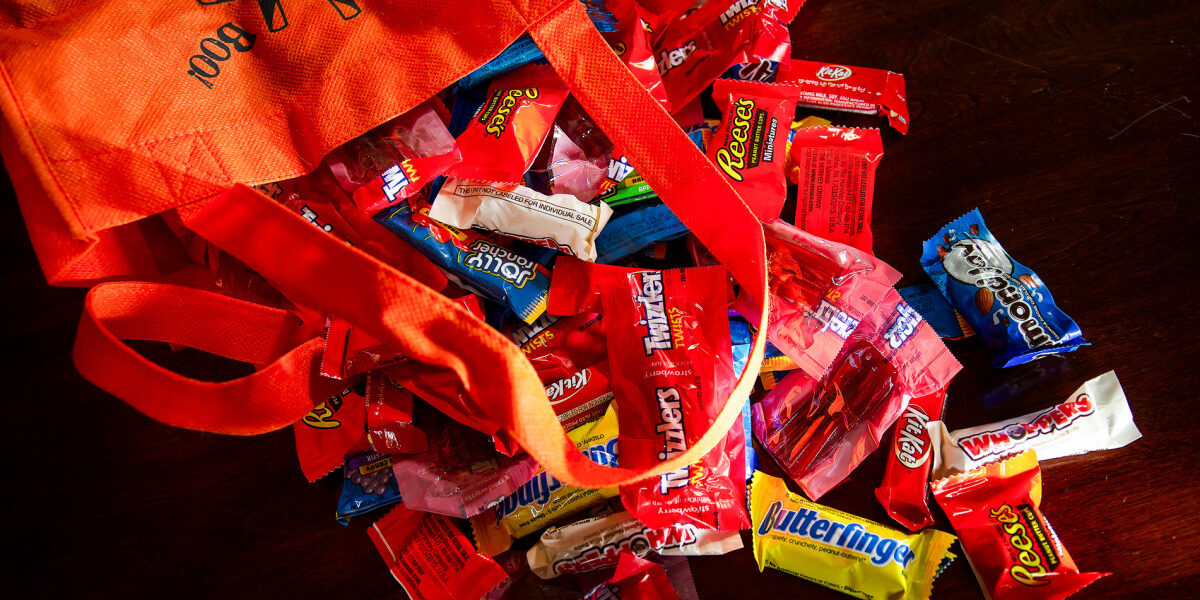
According to the Bureau of Labor Statistics, the average cost of chewing gum and candy has risen 8.1% over the past year. Despite this, many Americans remain committed to the tradition. Abby Mynatt, a college student in Knoxville, Tennessee, said, “I want to give that to some other children.” She typically spends around $50 on Halloween candy and expects to spend more this year, even with financial pressure.
The price of nonchocolate candy has climbed 1.8% this year, reaching an average of $3.31, while chocolate items have surged 15.5%, averaging $5.67 per package. Industry experts point to a cocoa shortage caused by extreme weather in key producing countries like Ivory Coast and Ghana. Chocolate makers buy cocoa months or even years ahead, so shoppers are paying for that spike now, said Ali Furman, PwC’s consumer markets leader. Although cocoa prices have since dropped, the effects haven’t yet reached store shelves.
NIQ, a market research firm, reported a more moderate increase in chocolate prices , with Halloween-specific chocolate up just 1.7% compared to a year ago. Analysts also note that recent U.S. tariffs on imports have added to production costs. Tariffs being added onto chocolate have certainly increased costs for manufacturers, said Chris Costagli, NIQ’s food and nonalcoholic beverage insights leader.
Despite these challenges, the National Retail Federation predicts Halloween spending will reach $13.5 billion this season, with 96% of shoppers planning to purchase sweets. This trend reflects a broader pattern of consumers turning to small luxuries—like makeup and movie tickets—as a way to cope with economic uncertainty.
Rising prices have forced many to cut back on larger purchases, but small daily expenses are still being managed. Leonard Smith, a Delaware resident, plans to buy Halloween candy but may reduce his spending. “I don’t want to spend that much money because I need money for other things besides candy,” he said. He plans to wait until after Halloween to take advantage of post-holiday sales.
Ari Monahan, a New York City nanny, is looking for more affordable options but still wants to treat the children in her neighborhood. “I want to be the good house,” she said. She also buys herself small indulgences, like dark chocolate and pumpkin spice coffee. If it makes me smile and I have a little money, I’ll pay for it, she added.
Monahan, 30, is concerned about the long-term impact of rising prices. Home prices are near record highs, and mortgage rates have hit a nearly three-year peak of 7.6%. It’s a double whammy that is putting a key pillar of the American Dream further out of reach, she said. Yet, in an economy where big goals seem distant, she finds comfort in small pleasures.
Reporting by Policy-Wire (PW)