
Gwadar is a long game
Every few months, a fresh round of commentary declares Gwadar a failure. The port has too little cargo, the argument goes, and too much risk. These verdicts tend to arrive before the project has had...

Every few months, a fresh round of commentary declares Gwadar a failure. The port has too little cargo, the argument goes, and too much risk. These verdicts tend to arrive before the project has had time to mature, which says more about the critics’ impatience than about the port.
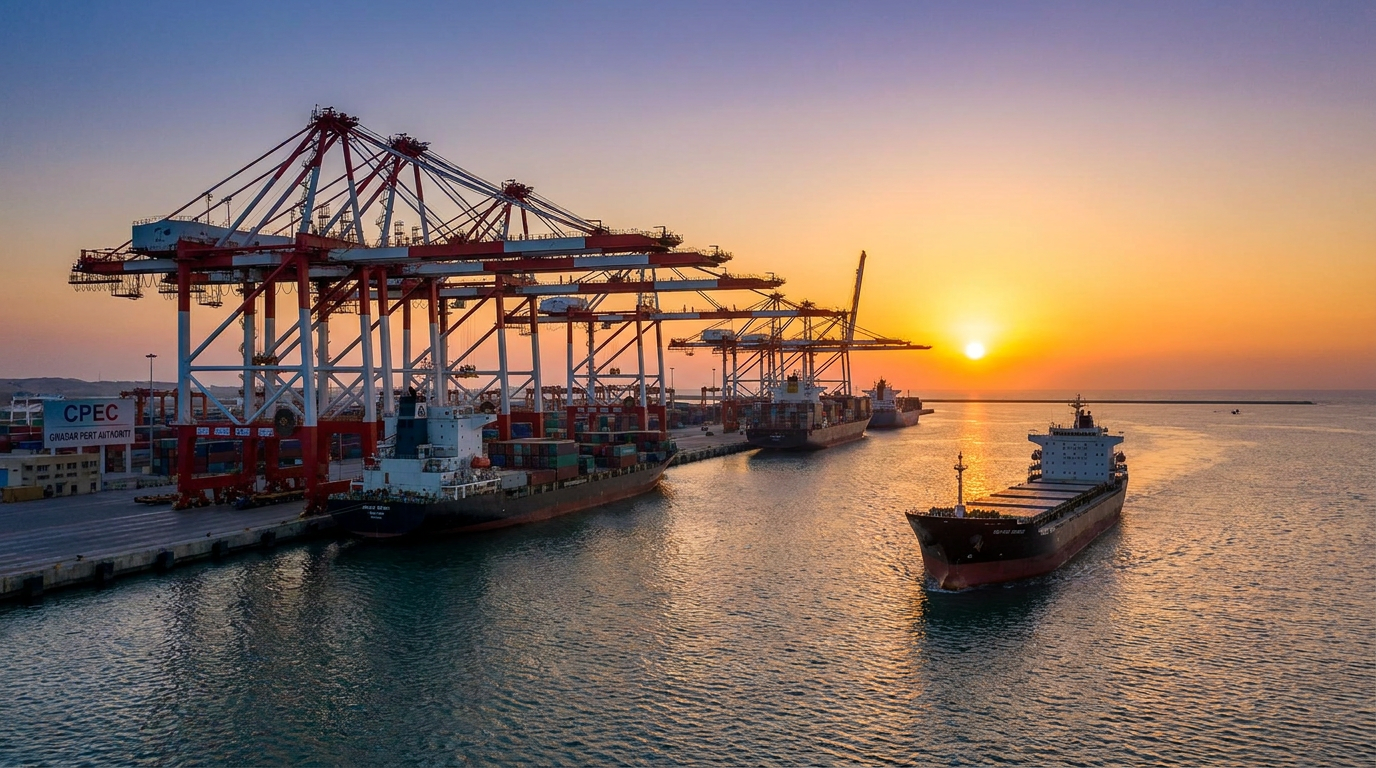
Consider the timeline. Dubai’s Jebel Ali port opened in 1979 and took decades to become the giant it is today. Shenzhen was a fishing town less than 50 years ago. Chinese operation of Gwadar began in 2013, and the free zone, the airport and the main road links were finished only in recent years. Judging a deep-sea port after one decade is like judging an orchard after the first harvest.
The geography argument fares no better. The Karakoram Highway was carved through some of the highest terrain on earth and has carried trade for more than four decades. Gwadar was never meant to move every Xinjiang container by truck. It gives China another option on the Arabian Sea and gives Pakistan a deep-water port on its own coast. Insurance does not have to replace the house to be worth buying.
Security is the harder question, and both governments treat it seriously. Attacks on Chinese nationals have happened, and Islamabad has never pretended otherwise. Pakistan has raised a dedicated army division and a naval task force to protect CPEC projects, and the two sides now coordinate far more closely on intelligence. Pakistanis have paid the heaviest price for this violence, with thousands of soldiers and civilians killed. In August 2025, Washington designated the Baloch Liberation Army and its Majeed Brigade as foreign terrorist organizations, which confirms that the threat is a shared one. Terrorism is not a verdict on a port.
The people of Gwadar deserve a straight answer too. Residents have complained about water shortages, power cuts and restrictions on fishing, and those complaints are real. The answer is more investment, more local hiring and a louder local voice. China has already built a desalination plant, a hospital and a vocational institute in the city. It also covered the cost of the new international airport with a grant of roughly $246 million.
The commercial case follows a familiar order. Shipping lines go where the cargo is, and cargo goes where industry is. Industry arrives after power and water, and after security improves. Gwadar’s free zone and the second phase of CPEC, which turns to agriculture, mining, information technology and manufacturing, are being built in that sequence. Skipping steps would have produced a ribbon-cutting and nothing else.
Then there is the relationship itself. Pakistan and China marked 75 years of diplomatic ties in May. That partnership has outlasted wars, sanctions, changes of government on both sides and a global pandemic. Beijing has repeatedly rolled over loans and deposits when Islamabad needed room to breathe. Pakistan has stood with China on Xinjiang, Taiwan and Tibet when others hesitated. Analysts who read the friendship as a ledger will always find a column that looks bad in any given year. The two governments read it as a strategy measured in generations.
Gwadar will not be judged by its first decade. It will be judged by what moves through it in 2040.
Author