


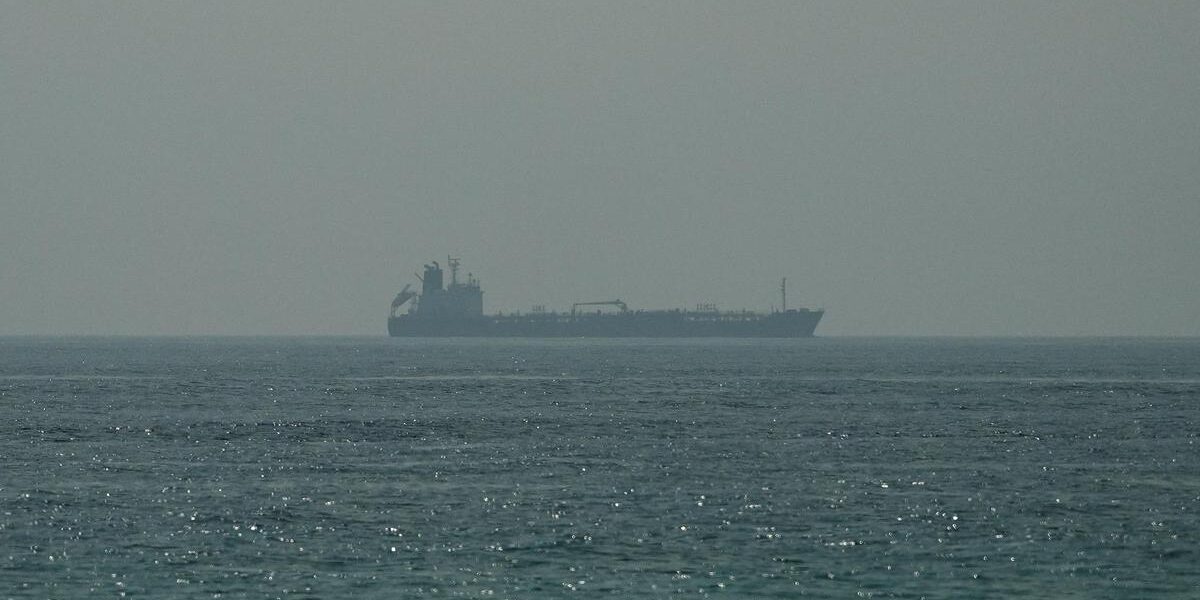
Gulf of Oman Ship-to-Ship Transfers Hit Capacity as Saudi Exports Skyrocket
Saudi oil exports surge through Gulf of Oman STS transfers, straining shipping resources and raising costs.

POLICY WIRE — Singapore, Singapore — Ship-to-ship crude oil transfers in the Gulf of Oman have reached capacity limits as Saudi Arabia increases its oil exports following a pipeline attack that disrupted Red Sea shipments.
The disruption forced Saudi Aramco to reroute oil through the Strait of Hormuz, leading to a sharp rise in demand for supertankers. This has caused delays, higher shipping costs, and bottlenecks in critical maritime operations like tugboat availability and labor.
📄 POLICY WIRE WHITEPAPER PUBLISHED: PAKISTAN’S NATIONAL SECURITY POLICY PRIORITIES
Saudi crude exports via Hormuz are expected to rebound to 3.6 million barrels per day in September, up from 900,000 barrels per day in August, according to data from Kpler. Analysts say this increase requires an additional 36 to 40 very large crude carriers, pushing shipping rates to record highs and prompting buyers to seek alternative transfer points.
Reporting by Policy-Wire (PW)