

There are moments in history when a nation is left with no option but to rise, not out of ambition, but out of necessity. Pakistan’s launch of Operation Ghazab lil Haq was one such moment. It was not a reckless step into conflict, but a calculated response to a growing threat that could no longer be ignored.
Pakistan displayed its ability to remain calm for multiple years. The country selected diplomatic methods instead of destructive methods and used diplomatic talks to solve conflicts. The Taliban regime received multiple requests from Islamabad to take action against terrorist groups that operated from Afghan soil to conduct attacks in Pakistan. The number of suicide bombings and assaults on military personnel and attacks on noncombatants showed a continuous upward trend. Terrorists from afghan soil launched attacks which resulted in multiple fatal incidents that claimed dozens of lives. The country attempted to resolve its issue through multiple diplomatic efforts. The Taliban regime failed to fulfill its obligations which resulted in increased border conflicts through its aggressive actions. At that moment, the fight against terrorism began.
The Breaking Point and the Start of Action
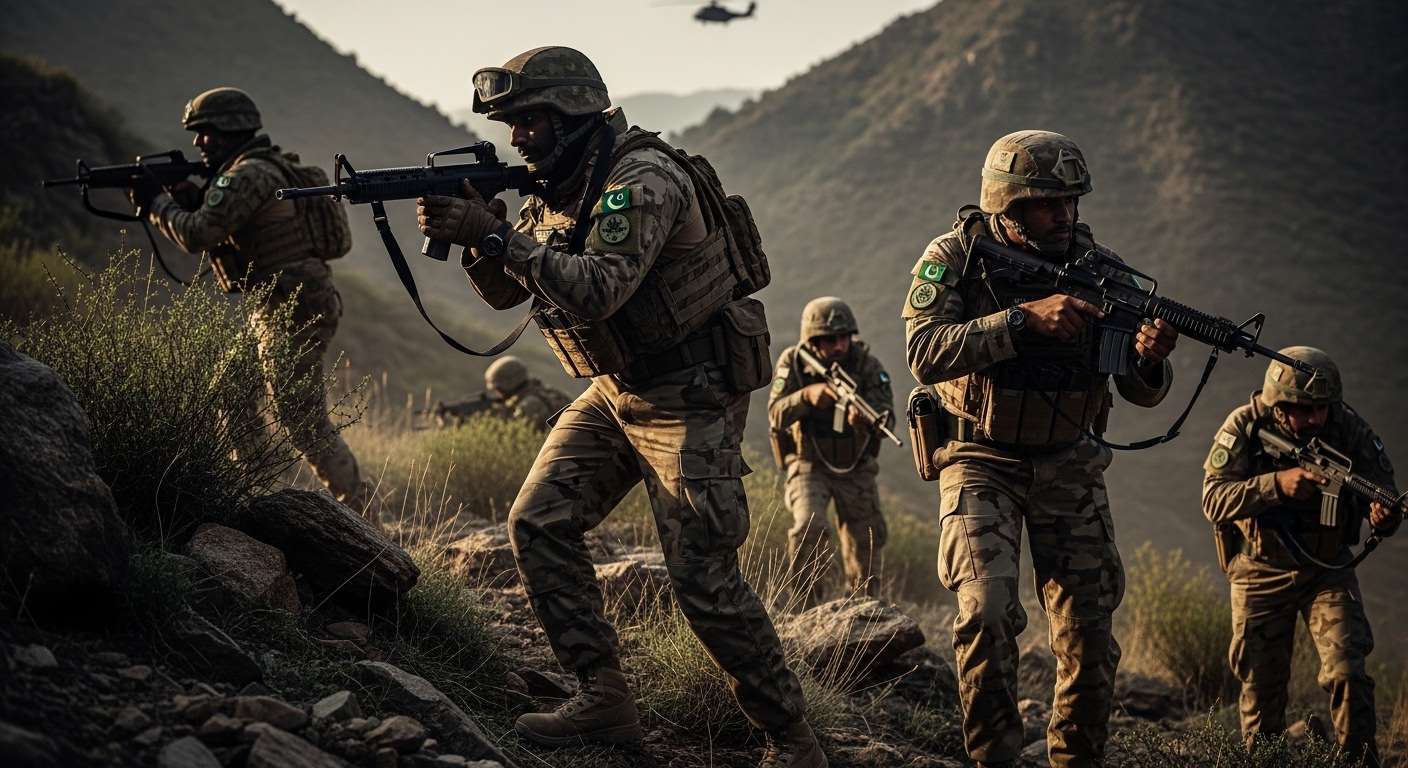
The situation reached its peak in late February 2026. After repeated cross-border attacks and unprovoked firing on Pakistani positions, Pakistan responded with military power. Airstrikes targeted terrorist hideouts in multiple Afghan provinces, including Nangarhar, Khost, and Kandahar, which had established themselves as safe havens for anti-Pakistan groups. Pakistan then formally launched Operation Ghazab lil Haq, a name that itself reflects a pursuit of justice.
The operation started with dedicated strategic goals which guided its execution. The operation focused on destroying terrorist bases and military facilities and all sites which terrorists used to conduct attacks against Pakistan. The military operation established specific strategies to systematically destroy all threats from their main points.
The Scale of the Operation
The operation immediately demonstrated its operational success. The first two days of the operation resulted in more than 133 operatives being killed while more than 200 others suffered injuries. The operation progressed and soldiers successfully eliminated more than 274 terrorists from the battlefield. The official numbers showed that more than 352 people died and 535 people sustained injuries while more than 100 checkposts and multiple military vehicles were destroyed. The Pakistani military reported 481 terrorist deaths, 696 injuries, 226 checkposts, and 198 tanks and heavy weapons were destroyed during operations. The ongoing operations reached their peak when over 600 terrorists were killed and more than 850 sustained injuries.
The numbers demonstrate that Pakistan conducted active military operations while achieving total control of the battlefield. The military successfully targeted their installations, headquarters, and essential bases for operations. The Pakistan Air Force and Army executed their operations together while showing their operational skills, discipline and advanced technological capabilities.
A Pause of Principle: The Eid Ceasefire
The conflict showed that Pakistan acts as a nation which follows its core values instead of seeking revenge. Pakistan declared a short break from Operation Ghazab lil Haq after the Eid celebrations started. The ceasefire period extended from March 19 until March 24 of the year 2026. Pakistan showed its respect for Islamic customs through its humanitarian commitment and its readiness to pursue peace but the country declared that the suspension would last only until specific conditions were met. The message to the Taliban regime showed that peace exists as an option which requires responsible behavior in order to be achieved.
The Resumption: A War Against Terrorism, Not a Choice
Unfortunately, the Taliban regime failed to change course. Cross-border threats persisted. Hostile actions continued, and once again, Pakistan was left with no alternative. With the ceasefire over, Operation Ghazab lil Haq has resumed, this time with even greater clarity of purpose. This is no longer just retaliation. It has become a sustained campaign against terrorism. Pakistan declared that the operation would continue until “credible guarantees and concrete steps” were taken by the Taliban regime to end support for terrorist groups targeting Pakistan. This statement reflects a fundamental truth that Pakistan is not seeking endless conflict. It is seeking security.
A Nation That Chose Strength
What makes Pakistan’s position strong is not just its military capability, it is its moral clarity. It tried diplomacy first. It showed restraint repeatedly. It respected religious values during war, and when forced, it acted with precision and strength.
In contrast, the Taliban regime chose denial over responsibility and confrontation over cooperation. Pakistan, on the other hand, chose to defend its people, its borders, and its future.
A Defining Moment
History will remember Operation Ghazab lil Haq as a stand, a moment when Pakistan refused to let terrorism dictate its destiny. A moment when patience turned into purpose.
When restraint transformed into resolve, and when a nation proved that peace is always its first choice, but never its only one.
Pakistan did not choose this fight, but it is determined to finish it.
Author