


Germany’s Tightrope Walk: The Ulm 5 Trial and the Shifting Sands of Dissent
POLICY WIRE — Berlin, Germany — The polite, sometimes rigid, machinery of German law doesn’t typically grind with the theatrical flair of street theater. But what’s happening in Ulm, with...

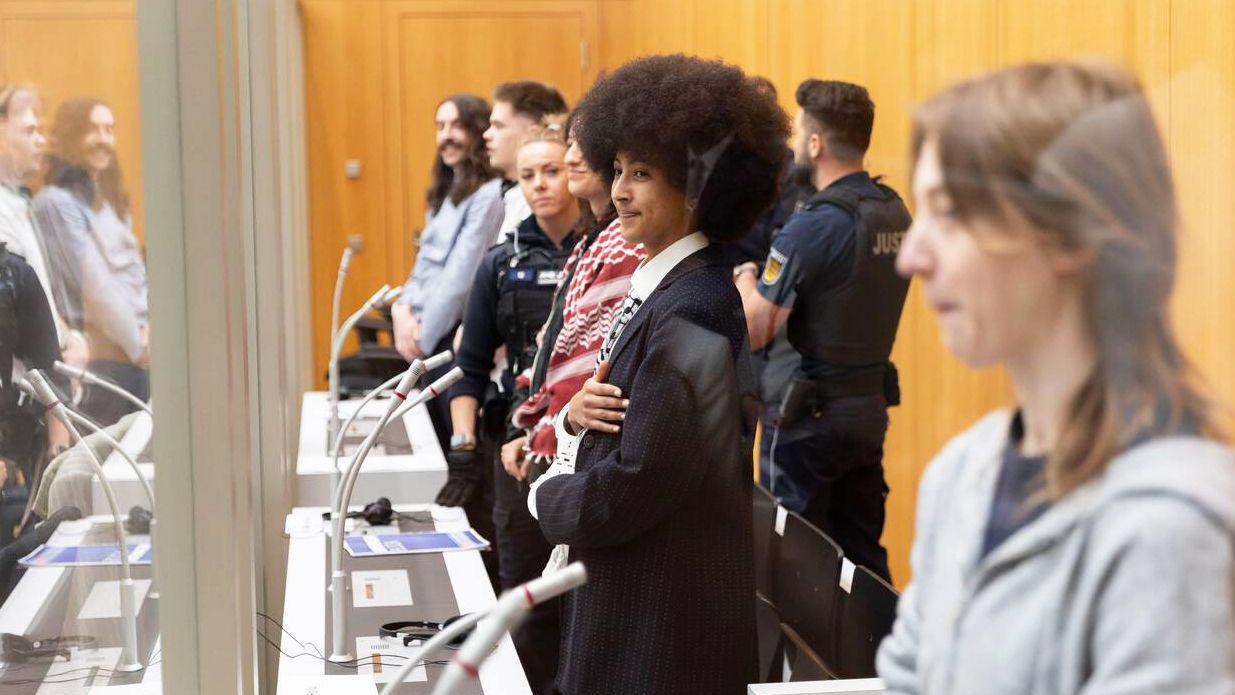
POLICY WIRE — Berlin, Germany — The polite, sometimes rigid, machinery of German law doesn’t typically grind with the theatrical flair of street theater. But what’s happening in Ulm, with the proceedings against five individuals — the so-called ‘Ulm 5’ — is less about a quiet legal dispute and more about Germany’s wrestling match with its own soul. They’re on trial for allegedly messing with an armaments factory, protesting Israel’s war in Gaza. It’s got a lot of folks wondering if Berlin’s famed dedication to free speech has suddenly developed a nasty little allergy.
It’s no secret Germany walks a uniquely complex path when it comes to the Middle East, a posture deeply rooted in its dark historical chapter. But this historical responsibility seems to morph, sometimes, into an unwavering, some would say dogmatic, defense of Israel’s policies, making genuine debate—especially critical protest—a high-stakes game. And right now, in the shadow of the Gaza conflict, that game’s playing out in a provincial courtroom, drawing harsh glares from beyond its borders.
The activists stand accused of trespassing and property damage, small beer offenses perhaps, until you tack on the alleged motivation. For the government, it’s about upholding order, protecting industry. For the defendants and their allies, it’s about holding power to account, and they’re calling this whole affair a politically charged effort to silence dissent. They’re asking, “When does solidarity cross the line into illegality, especially when the line keeps shifting?”
“We can’t simply stand by while legitimate protests devolve into actions that damage property or disrupt our economy,” declared German Interior Minister Nancy Faeser, speaking recently on broader security issues. “There’s a proper channel for expressing dissatisfaction; what we can’t have is outright lawbreaking cloaked as activism.” It’s a clean argument on paper, but it doesn’t quite account for the raw emotional heft of the matter. Because, let’s be honest, people aren’t just filing forms here; they’re demonstrating, loudly. And when they hit what they see as profiteering from war, well, things can get messy.
But how messy is too messy? German law provides for free assembly, sure. However, the interpretation of what constitutes ‘hate speech’ or even ‘antisemitism’ has expanded quite a bit lately, snagging seemingly innocuous slogans. Because of Germany’s historical burden—the Holocaust—any criticism of Israel is routinely, if unfairly, treated as potential anti-Semitism. That’s a tough position, particularly for Germany’s own burgeoning Muslim population, who feel their humanitarian concerns are being stifled.
“This trial sends a frankly chilling message,” commented Amira Rahman, director of the European Civil Liberties Alliance, during a video conference this past week. “It tells people that if their cause is inconvenient, if it touches a nerve that the state finds uncomfortable, their rights might just get re-evaluated on the fly. It’s a regression.” Her point, frankly, resonates with communities from Istanbul to Islamabad, watching Berlin’s moves. It doesn’t exactly inspire confidence when a leading European democracy looks like it’s quashing the very freedoms it purports to champion. The delicate art of diplomacy demands more nuanced navigation, particularly concerning perceived double standards.
And what about those economic ties? German companies, including defense contractors, hold significant contracts globally. Protests hitting supply chains are, naturally, an administrative headache, to put it mildly. These activists, like many worldwide, aim to turn that headache into a migraine. For them, it’s not about vandalizing for vandalism’s sake. It’s about disrupting the gears of a machine they believe enables conflict. A recent study by the German Institute for Economic Research (DIW Berlin) found that foreign direct investment in Germany declined by 2.6% in the last quarter, partly attributed by analysts to rising social and geopolitical uncertainties. That’s a measurable tremor, not just an ideological one.
What This Means
This Ulm 5 trial isn’t just a provincial legal drama; it’s a bellwether for democratic norms in Germany, and perhaps Europe as a whole. Politically, the government faces a tough choice: cracking down risks alienating its younger, more diverse populace and drawing international criticism, especially from states across the Muslim world—Pakistan, for one, has watched this unfold with considerable interest. Not cracking down, however, invites charges of weakness and failing to protect its strategic allies or domestic industries. It’s an unenviable spot, you see. But managing dissenting voices, even inconvenient ones, is part — and parcel of a healthy democracy. Economic implications, too, can’t be ignored; stability is gold. But stifling legitimate concerns can foster deeper resentment, creating far bigger, more intractable problems down the line than a bit of paint on a wall. It isn’t about just this handful of activists. It’s about Germany’s long-term democratic credibility. The optics are, shall we say, less than ideal. Because if a major economy like Germany can’t figure out how to balance security with vibrant, sometimes uncomfortable, protest, what message does that send?