

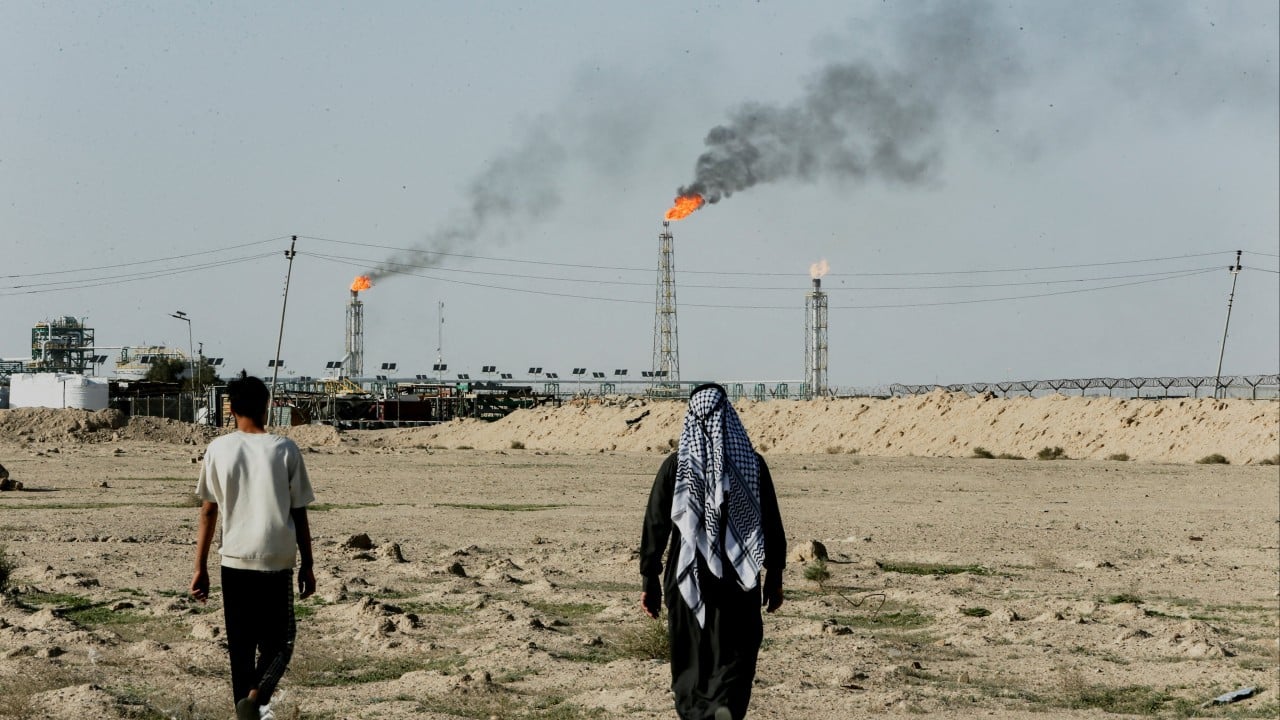
Geopolitical Lull: Iraqi Oil Freed as Hormuz Passage Eases Amid Uneasy Ceasefire
POLICY WIRE — Washington D.C. — Over a swift ten-day period in the latter part of June, approximately 14 million barrels of Iraqi oil navigated the critical shi...

POLICY WIRE — Washington D.C. — Over a swift ten-day period in the latter part of June, approximately 14 million barrels of Iraqi oil navigated the critical shipping lanes of the Strait of Hormuz. This significant volume, previously held back by ongoing Middle East conflicts, has now reached buyers across Asia, Europe, and the United States.
The successful transit, equivalent to roughly 1.4 million barrels per day, comes at a time of a fragile détente: an uneasy US-Iran ceasefire. The movement suggests a temporary, yet vital, easing of the tensions that often jeopardize maritime commerce in the Persian Gulf, a region vital to global energy markets.
The data, compiled by Bloomberg through tanker tracking, indicates a substantial uptick in Iraqi oil exports during this window. Such movements underscore the intricate relationship between geopolitical stability and the uninterrupted flow of essential resources, particularly through a choke point as strategic as the Strait of Hormuz. (Reporting based on Bloomberg)
For context, the Strait of Hormuz is recognized globally as the world’s most crucial oil chokepoint. Positioned between the Persian Gulf and the Gulf of Oman, it provides the only sea passage from the Persian Gulf to the open ocean, with a daily oil flow that often accounts for a fifth of global consumption. The sheer volume of oil that traverses its narrow waters – sometimes as little as 21 nautical miles wide – makes any disruption, or even the perception of one, a major concern for energy markets and international diplomacy alike.
Iraq, as one of OPEC’s largest producers, relies heavily on these maritime routes to export its crude. The ability to move such a large quantity of oil freely during what the wire described as an uneasy ceasefire highlights how sensitive global energy supply lines are to the delicate balance of power and diplomacy in the Middle East. Past instances of heightened tensions in the Gulf have repeatedly seen threats to shipping, sometimes leading to naval deployments and spikes in oil prices. The mere act of large vessels moving unhindered, therefore, serves as a barometer for regional stability.
While the ceasefire in question has provided a temporary reprieve, the term uneasy itself suggests a volatile equilibrium. These periods of calm can be fleeting, subject to shifts in diplomatic postures, military activities, or the numerous localized conflicts that continue to simmer across the wider Middle East. The world’s dependence on stable passage through the Strait makes it a focal point for international security strategies and, by extension, economic forecasts.
The destinations for this freed Iraqi crude – Asia, Europe, — and the U.S. – underscore the truly global implications of Persian Gulf energy flows. Disruptions there affect not just producing nations, but also major consumer markets thousands of miles away, impacting everything from industrial production to gasoline prices at the pump. The incident provides a concrete example of how real-time shifts in geopolitical dynamics directly translate into observable economic activities on the world stage.
What This Means
The successful transit of 14 million barrels of Iraqi oil through the Strait of Hormuz over a short period is a tangible sign of temporarily relaxed tensions. It reflects the pragmatic, if fragile, nature of current geopolitical maneuvers between the United States and Iran, especially as it pertains to maintaining crucial shipping lanes. While it offers a snapshot of stability, the explicit qualification of the ceasefire as uneasy is paramount.
Such a massive, time-sensitive movement of oil suggests that both regional and international actors found common ground – or at least, a temporary modus vivendi – to prevent escalation that would inevitably harm global energy markets and their own economic interests. However, the transient nature of these agreements means that any stability afforded by them can unravel quickly. Future policy decisions concerning Iran’s regional role and the broader security architecture of the Persian Gulf will continue to directly impact the predictability and cost of energy supplies worldwide.
This episode serves as a reminder that even incremental improvements in regional security, however tenuous, can yield significant economic benefits, allowing vital resources to reach their destinations. Conversely, it highlights the constant vulnerability of global supply chains to the shifting political sands of critical geographical choke points.