

Gaza’s Ceasefire: A Phantom Pact on a Bloodied Landscape
POLICY WIRE — Tel Aviv, Israel — Sometimes, the deadliest battle isn’t fought with bullets but with narratives. Because when official pronouncements herald a cessation of hostilities, but the...

POLICY WIRE — Tel Aviv, Israel — Sometimes, the deadliest battle isn’t fought with bullets but with narratives. Because when official pronouncements herald a cessation of hostilities, but the ground — particularly in places like Gaza — keeps rumbling with reports of casualties, you’ve got more than a communications problem. You’ve got a credibility crisis in the making, eroding trust like desert sand in a sandstorm.
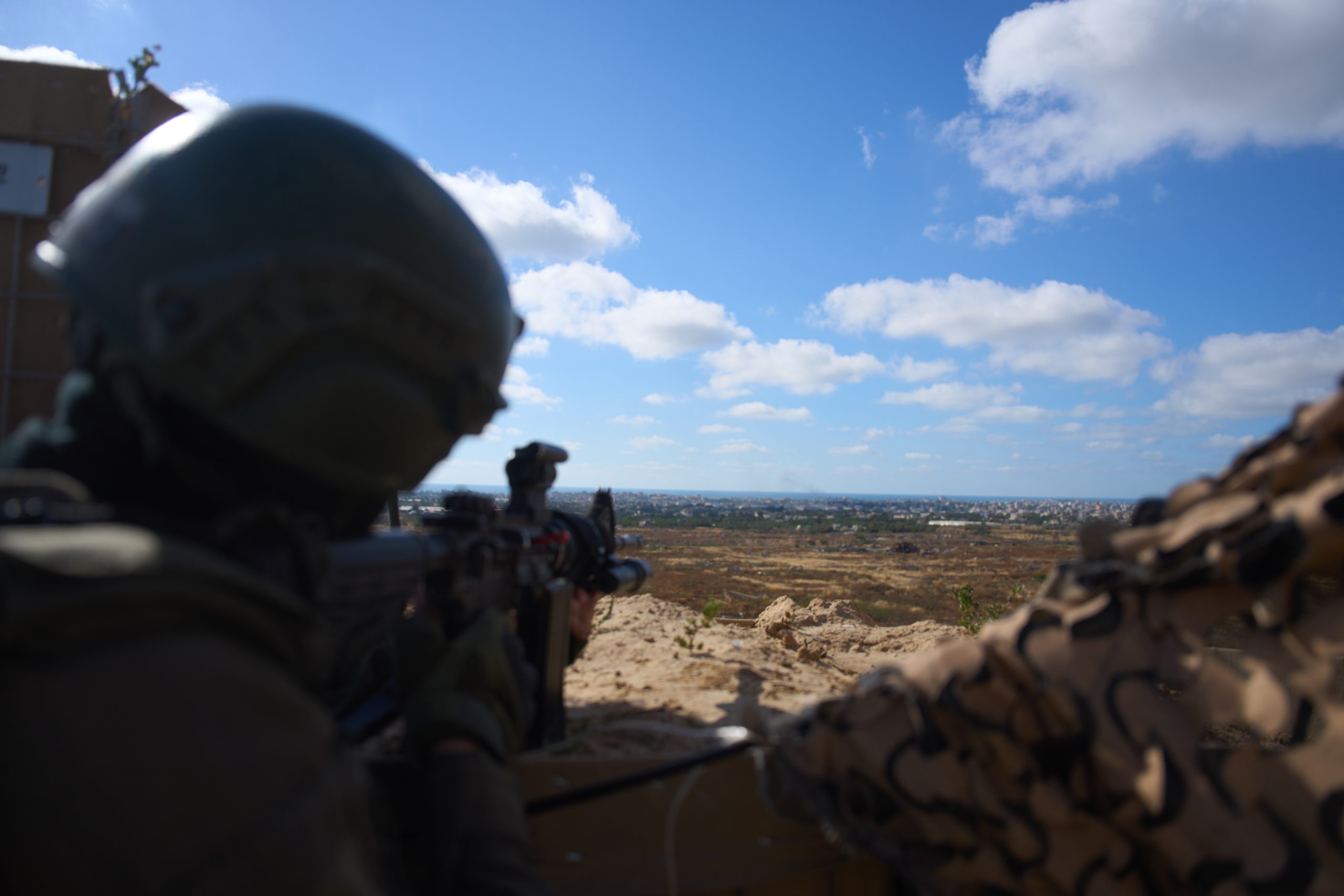
It’s not just the usual suspects pointing fingers. We’re hearing these dissonant echoes straight from Israeli soldiers themselves. These aren’t desk jockeys; they’re men who’ve walked through the rubble — and seen things no human should. Their recent accounts, filtering back from the Strip, don’t just complicate the widely reported ceasefire narrative; they shred it.
The operational directives, apparently, haven’t quite caught up with the diplomatic paperwork. Soldiers reportedly found themselves engaged in activities that contradict the very essence of a pause in fighting. One report suggested that operations involving targeted killings of armed individuals persisted even after the official ceasefire took hold, a grim footnote to any hopes of immediate de-escalation. Another account cited the phrase, [QUOTE_PLACEHOLDER] illustrating a state of perpetual vigilance and readiness to engage.
It’s this grim undercurrent, this quiet acknowledgment of an agreement honored more in name than in deed, that’s becoming impossible to ignore. Because, you know, soldiers don’t typically invent battle scenarios for leisure. They speak of continued ‘mopping up’ operations, of areas where [QUOTE_PLACEHOLDER] remained a clear and present danger. And these aren’t isolated incidents, mind you; they suggest a pattern of continued, albeit lower-intensity, combat.
But how do these ground-level realities square with international pressure — and calls for calm? They don’t. And that’s the point. The gap between what’s announced globally and what’s executed locally puts tremendous strain on all parties, fueling cycles of suspicion. For observers in places like Pakistan, for instance, these reports reinforce a pervasive skepticism towards diplomatic interventions. Islamabad has consistently called for a comprehensive and lasting peace, often expressing profound solidarity with Palestinians, and any suggestion that a ceasefire is purely nominal only strengthens perceptions of asymmetric power dynamics. It makes meaningful dialogue feel like a charade to a Muslim world already deeply invested emotionally in the plight of Gaza.
The humanitarian toll, already catastrophic, won’t magically cease because of a signature on a document. United Nations agencies have consistently highlighted the devastating impact, with the UN Office for the Coordination of Humanitarian Affairs (OCHA) reporting that, as of a recent update, over 1.7 million people in Gaza remain internally displaced, underscoring the enduring instability that mere paper agreements can’t simply fix.
So, when you peel back the layers of political speak and diplomatic niceties, you’re left with a cold truth: what’s termed a ‘ceasefire’ might simply be a re-calibration of aggression, a tactical shift rather than a true cessation. It certainly feels that way on the ground, according to those who live — and die — by its terms. And it doesn’t do much for trust in long-term solutions, either.
What This Means
The disjunction between official ceasefire declarations and ground-level military operations isn’t merely semantic; it carries profound political and economic implications. For one, it significantly erodes the already fragile credibility of international mediation efforts. Nations like Egypt and Qatar, often instrumental in brokering such agreements, find their diplomatic capital depreciated when peace deals prove to be less than comprehensive or consistently violated. This dynamic doesn’t just isolate the parties directly involved; it can spill over, creating regional instability and hindering broader geopolitical aspirations for dialogue and cooperation across the Middle East. Moscow’s ongoing geopolitical machinations, as explored in Moscow’s Calculated Gambit: Escalation, Domestic Fissures, and Global Reverberations, often capitalize on such regional disunity and disillusionment with Western-backed diplomacy.
Economically, the persistent, low-grade conflict, masquerading as peace, stifles any genuine recovery or rebuilding efforts in Gaza. Foreign aid, even when pledged, becomes far less effective when security guarantees are ephemeral. This constant state of uncertainty creates a de facto blockade not just of goods, but of hope — and future planning. For investors, whether in reconstruction or potential regional development projects, this is poison. And it continues to exacerbate human suffering, which has its own long-term costs in societal trauma and regional migration pressures. This creates a perpetual state of emergency, diverting resources from development to humanitarian aid, essentially trapping the region in a cycle of dependency. It’s a cruel game, played out against the backdrop of desperate lives.