


Wall Street Soars: Gas Pain, Market Gain Paradox
Wall Street thrives while gas prices burn consumer pockets. Explore the perplexing economic paradox, who benefits, and its global implications for policy and stability.

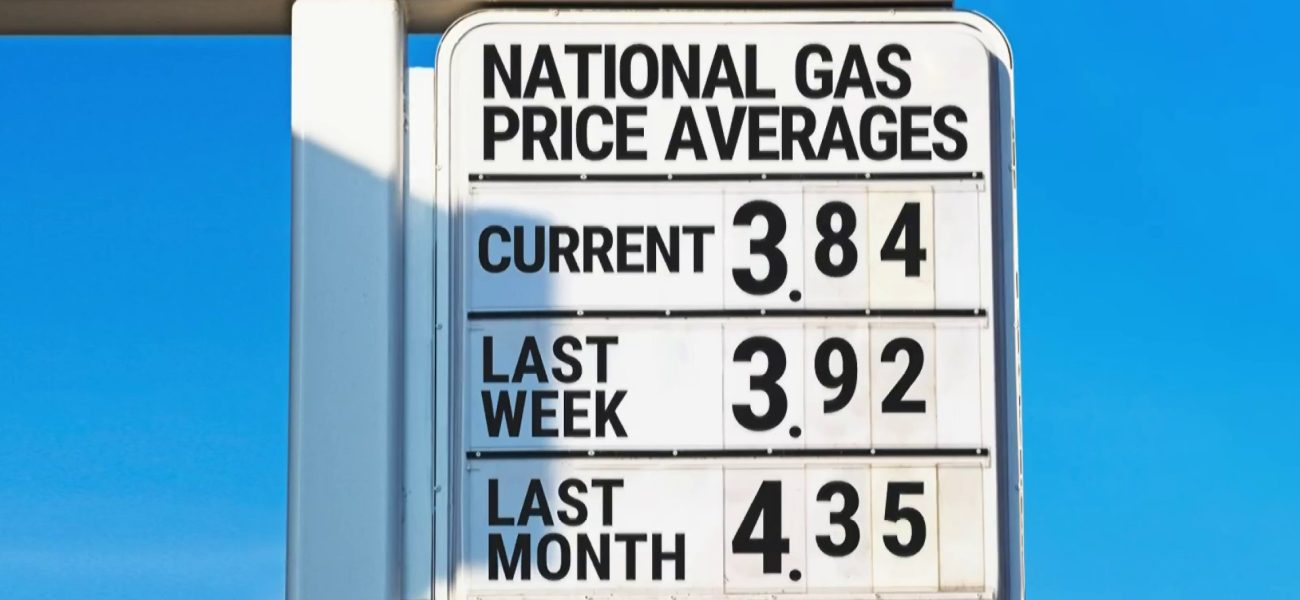
POLICY WIRE — London, UK — While folks across the globe watch their hard-earned cash evaporate at the petrol pump, an almost perverse triumph is quietly playing out in the high-stakes world of financial markets. It’s an inconvenient truth, a sort of darkly ironic comedy for those living paycheck to fuel tank, but it’s happening. Wall Street isn’t just humming along; it’s set to record its strongest quarterly performance in what feels like eons—all as the cost of getting from point A to point B keeps soaring, mocking the common consumer.
It’s a peculiar dichotomy, isn’t it? The very factor that pinches household budgets, stifling spending power and sparking inflationary jitters, is simultaneously inflating asset values for a different crowd. High energy prices, you see, aren’t just a cost; they’re a massive revenue stream for a select few. Big oil, the producers, the speculators—they’re raking it in. And their burgeoning profits ripple right through the market, buoying indices and making quarterly reports sing a very different tune than the lament of the average commuter. But this isn’t some fresh phenomenon; it’s a cyclical reminder of how capitalism, when left unchecked by external shocks, tends to consolidate wealth, pushing resources upwards even as ground-level friction increases.
And those frictional forces? They’re hardly contained. In countries like Pakistan, for instance, already grappling with a delicate balance of debt, imports, and essential goods, escalating global energy prices translate directly into amplified inflationary pressures. We’ve seen successive governments in Islamabad scramble, facing down the prospect of unpopular fuel price hikes or risking a complete fiscal collapse. They’re stuck between a rock and a hard place—always. A rupee, already weakened by domestic and international factors, becomes even more feeble when a barrel of crude costs a small fortune. It’s a systemic vulnerability that, while geographically specific, reflects a broader pain experienced across many energy-importing Muslim-majority nations from Morocco to Malaysia. For them, Wall Street’s jubilation is simply an abstract, if aggravating, detail.
One analyst, speaking anonymously given the sensitive nature of global commodity markets, noted the perverse incentives at play: [QUOTE_PLACEHOLDER]. Investment banks, often key players in commodity trading, see their revenues swell when volatility — and prices climb. Their robust performance often overshadows—or perhaps even drives—the broader market’s upward trajectory. This isn’t just about simple supply and demand; it’s about financial engineering and the sophisticated dance of futures contracts that can sometimes disconnect economic reality from market sentiment. A striking figure illustrates this quite starkly: The top five global energy firms reported an average 185% increase in their net profits year-over-year in their latest fiscal disclosures, according to data compiled by Bloomberg. That’s a huge surge—and it’s undeniably fueling a substantial chunk of the market’s perceived prosperity.
It makes you wonder, doesn’t it? How long can such a stark divergence persist before something gives? The feeling among many on Main Street—or indeed, among the throngs negotiating rush-hour traffic in Lahore—is one of simmering resentment. But the stock markets, insulated as they often are from immediate consumer woes, just keep chugging along. They’re almost exclusively focused on corporate earnings and investor sentiment, not the grim arithmetic of personal household budgets. It’s a fundamental difference in perspective that creates this bizarre financial landscape. You could almost call it a tale of two economies.
📄 POLICY WIRE WHITEPAPER PUBLISHED: PAKISTAN'S NATIONAL SECURITY POLICY PRIORITIES
👉 READ BY CLICKING HEREBecause ultimately, these high prices aren’t going to vanish overnight. Geopolitical tensions, particularly those that ripple through oil-producing regions—like the ongoing conflict and precision strikes impacting global oil markets—keep supply chains taut and prices elevated. There’s no easy fix when the global tap is tied to such delicate, unpredictable geopolitical realities. And while that means more pain at the pump, it means more champagne corks popping in boardrooms.
What This Means
This economic alchemy, where consumer pain translates into market gains, presents several critical implications. Politically, we’re likely to see intensified calls for windfall taxes on energy companies, especially in democratic nations where governments are accountable to disgruntled electorates. Populist movements, often fueled by economic grievances, will find fertile ground in this narrative of perceived corporate avarice versus everyday struggle. For energy-exporting nations, particularly those in the Middle East—some with historical ties to South Asia and significant investment in its burgeoning markets—the continued high prices mean bolstered state coffers, allowing for increased domestic spending or sovereign wealth fund accumulation. This can strengthen their geopolitical leverage, but it also exposes them to accusations of price gouging, however unfair those claims might seem.
Economically, this scenario entrenches inflation as a persistent specter, forcing central banks globally to maintain or even tighten monetary policy—even at the risk of stifling broader economic growth. For developing nations, particularly those that rely heavily on oil imports and lack robust currency reserves, this translates into a deepening balance-of-payments crisis, potential currency devaluations, and an increased debt burden. Their ability to import other essential goods or invest in long-term development projects becomes severely hampered. So while a few select sectors print money, the general economic engine of the world begins to sputter for millions of people. It’s a sobering thought, this lopsided prosperity, hinting at a world increasingly bifurcated by economic reality—a fault line that policymakers ignore at their peril.