


Frontier Shadow: Five Face Jail as Brutal Ambush Unravels in Albuquerque
POLICY WIRE — Albuquerque, United States — For some places, local fame is a double-edged sword. Take Albuquerque’s Frontier Restaurant, for instance. It’s a landmark, sure. A buzzing,...

POLICY WIRE — Albuquerque, United States — For some places, local fame is a double-edged sword. Take Albuquerque’s Frontier Restaurant, for instance. It’s a landmark, sure. A buzzing, 24-hour institution, an almost-sacred spot for many, particularly students from the nearby University of New Mexico. But on a different kind of night—a brutally mundane one, it turns out—its very familiarity made it the silent backdrop to a calculated ambush, not a comforting culinary stop. And now, the long arm of the law has ensured that all those implicated in the darkness will await judgment behind bars.
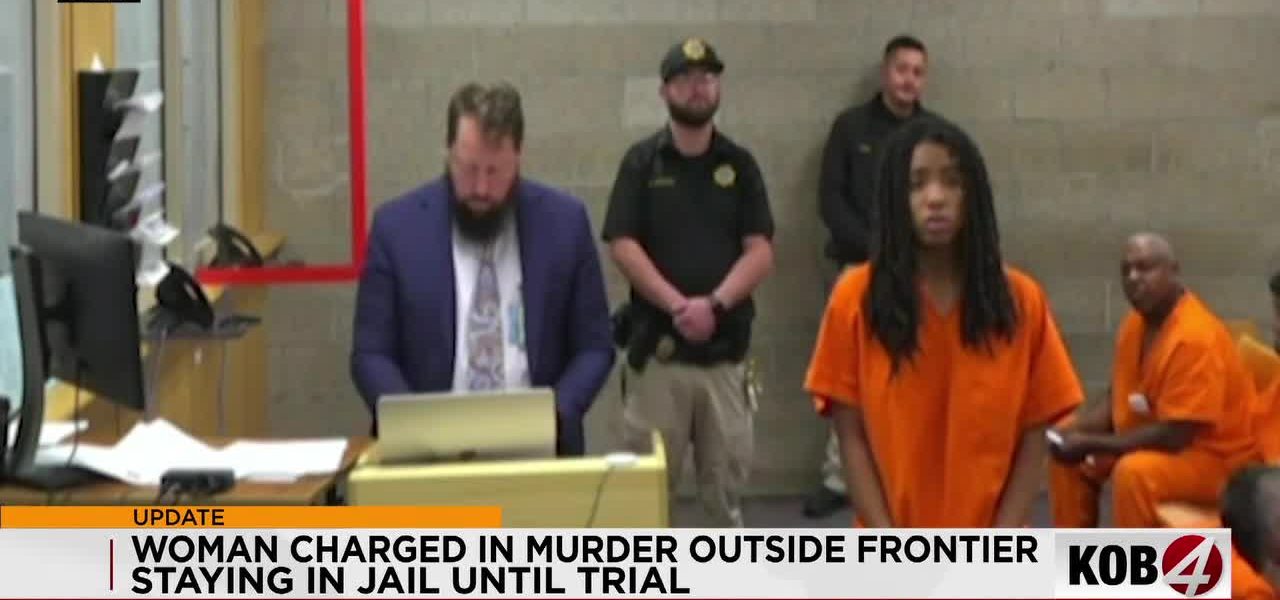
It’s official: a local judge has ordered that all five suspects charged in the tragic killing of 23-year-old Eden Rock—a young man with ties to the UNM community—will be held without bond. That’s right, no walking free on bail. Not for any of them. For weeks, the city has wrestled with the details of how an everyday location, beloved for its tortillas and coffee, morphed into a crime scene, a chilling reminder that violence doesn’t always play out in shadowed alleys (though an alley is precisely where this particular horror occurred). This isn’t just another legal proceeding; it’s a reckoning for the idea of public safety itself, for how casually lives can be upended. [QUOTE_PLACEHOLDER]
Friday saw the culmination of that decision, specifically affirming that the fifth and final suspect, Zakiya Umstead, would join the others. She’ll stay in jail. According to prosecutors, Umstead allegedly had a singularly nefarious purpose when she showed up at the Frontier Restaurant last month: to bait the victim. Her goal? To lead 23-year-old Eden Rock outside, presumably into what was a meticulously planned death trap. And that’s exactly what police claim happened. As they made their way to the back alley, police said the four other suspects shot — and killed Rock. A brutal, clinical execution in the glow of a diner’s sign.
Following the grotesque act, Umstead made a break for it, bolting for Texas. People flee. It’s a human instinct when cornered, or perhaps a practiced one for those trying to evade accountability. But the reach of New Mexico’s justice system, aided by interstate cooperation, proved longer than her escape route. Authorities caught up with her there, miles from the fluorescent lights of the Frontier, and subsequently brought her back to New Mexico. There aren’t many places to truly disappear when you’re wanted for something this severe, especially not in a connected world. That international coordination, often assumed only for large-scale criminal enterprises, highlights a crucial point: no border—state or national—is impenetrable for those accused of the gravest offenses.
Because that’s the rub, isn’t it? The pursuit of justice isn’t always confined to city limits. Think of the complexities that play out globally, say, between Pakistan and its neighbors, where issues of cross-border criminality and extradition can become tangled in geopolitical knots, slowing the wheels of justice to a crawl. But here, the efficiency was clear. Across state lines, law enforcement cooperation worked, bringing back someone alleged to have played a significant role in orchestrating a young man’s demise. These kinds of crimes—where premeditation seems obvious, and the attempt to escape is made—often grab headlines and raise difficult questions about deterrence and judicial certainty. The outcome for these five suspects won’t only shape their futures but also offer a stark public example of the state’s resolve.
📄 POLICY WIRE WHITEPAPER PUBLISHED: PAKISTAN'S NATIONAL SECURITY POLICY PRIORITIES
👉 READ BY CLICKING HEREAnd it’s a grim resolve born out of necessity. Nationally, according to the FBI’s Uniform Crime Reporting Program for 2022, the clearance rate for murder offenses sits at 52.3 percent. This statistic means nearly half of all murder cases remain unsolved, a chilling figure for any society grappling with violent crime. New Mexico, like many other states, grapples constantly with improving these figures, hoping each successful arrest and prosecution helps chip away at the anonymity violent offenders often seek. What happened here, then, isn’t just about a single crime; it’s about bolstering that confidence, that idea that justice will eventually catch up, no matter how clever the escape attempt.
What This Means
This judicial decision, keeping all suspects detained, telegraphs a clear message: the state takes allegations of violent, premeditated crime—especially those ending in fatality—with utmost gravity. From a political standpoint, it aligns with a tough-on-crime posture, reassuring a public often agitated by concerns about urban safety. It’s also an economic consideration. Cities like Albuquerque, striving for revitalization and growth, cannot afford a reputation for lawlessness, as crime perceptions directly impact investment, tourism, and talent attraction. An efficient, unyielding judicial process in high-profile cases can act as a crucial counterweight.
But there’s also the nuance of how these events influence public perception of justice. The swiftness of Umstead’s apprehension, coupled with the blanket no-bond ruling for all five, reinforces faith in law enforcement’s ability to act decisively, particularly when suspects attempt flight. It avoids the potentially inflammatory narrative of alleged perpetrators walking free on bail, especially in cases where prosecutors paint a picture of deliberate planning and significant flight risk. For victims’ families, it provides a degree of immediate certainty, a small comfort in the face of profound loss, knowing those accused can’t simply vanish before trial. But ultimately, for a system already burdened, these cases add to the caseload, pulling resources and demanding sustained public attention, reminding us all of the brutal costs when our social fabric frays around the edges, even by a seemingly innocent, brightly lit diner. This case isn’t just about five people; it’s a referendum on security — and order in plain sight. For further insight on how justice systems navigate the intricate dance of international fugitives, one might reflect on the complexities detailed in this report on Fugitive’s Italian Getaway Unmasks Glaring Flaws in US Justice System’s Digital Leash, or even ponder how global capital’s grip affects justice beyond borders.