

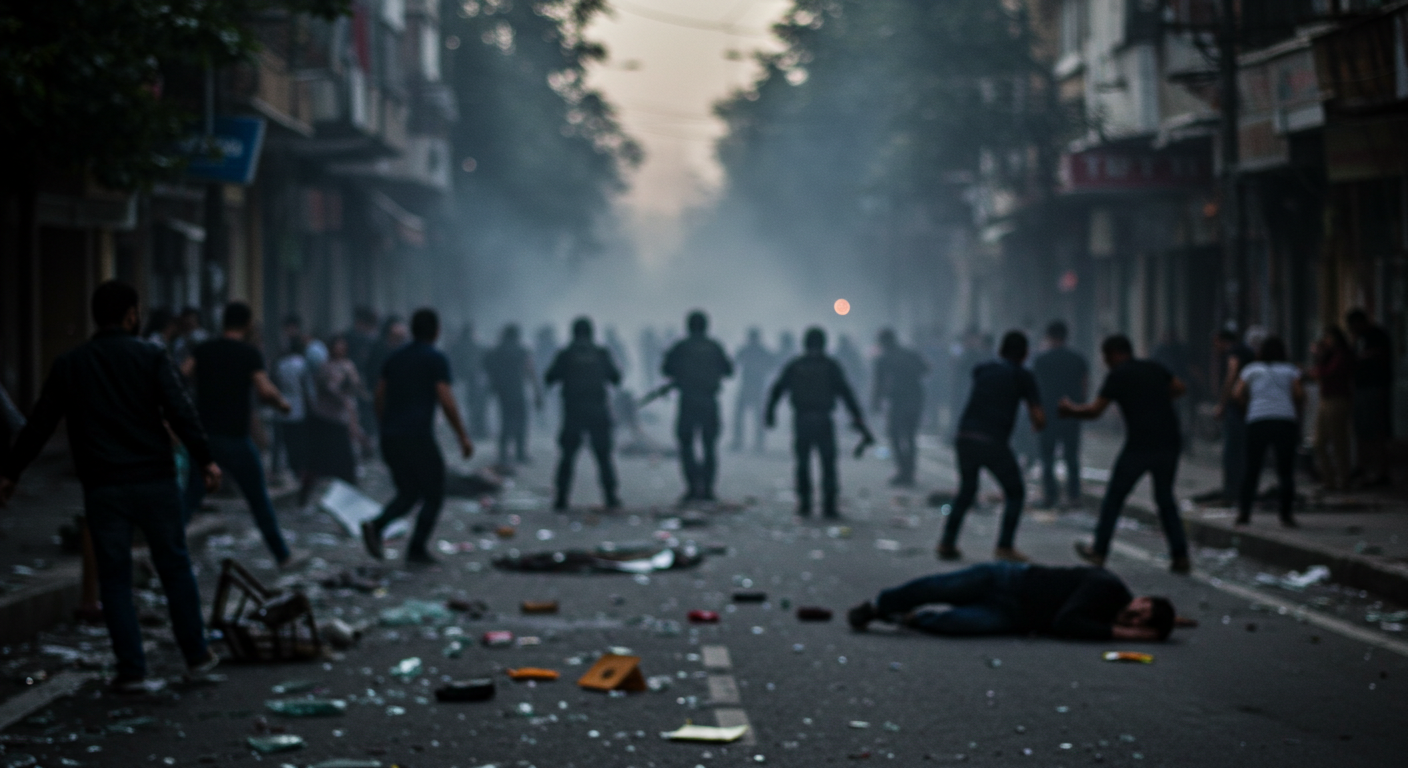
The news coming out of Mastung this week is one of bravery and tragedy. On July 1, militants stormed government offices and a bank in a ferocious attack, inflicting damage and leaving a 16-year-old boy dead. This possible young life was brutally taken away in an exercise of senseless cruelty. But even in the face of this ghastly tragedy, Pakistan’s security forces reacted with incredible alacrity and determination. Two of the terrorists were neutralized forthwith, and three were wounded, bringing a halt to further violence and stopping the terrorists from unleashing an even larger carnage. It was a firm message to those who want to terrorize, Pakistan will not be terrorized.
Balochistan has been at the forefront of terrorism for a long time, with separatist rebellions and foreign-sponsored militancy. The Mastung attack was not a one-off incident but part of a trend that has a larger agenda to destabilize the region. Security officials have said that the organisation behind the attack is known to be connected to what has been referred to as “Fitna al Hindustan”, the term assigned to terror surrogates that are being said to be backed by hostile nations. Their plan is simple: hit where the fabric of the state is being rewoven most meticulously, hoping to unravel it. But Pakistan has survived more tempests, and every bout of violence has hardened its determination to strike back. The security forces, Frontier Corps, Counter-Terrorism Department, and Levies, moved fast.
They cordoned off the area, moved out the civilians, and restored law and order in record time. Not just lives were lost, but faith in the state as a guardian of its citizens was also restored. This is significant in a region long under siege by terror. It reminds all the people, but particularly where targeted, that the state has not deserted them. Rather, it is actively protecting them. Pakistan’s war on terror has cost dearly, especially in such places as Balochistan.
It has also demonstrated the unbreakable spirit of its people. Regardless of all the tragedies, communities still shun fear. Civilians and local government alike have worked together in the reconstruction of towns, re-establishment of services, and assisting the victims. The bravery of Mastung’s people, coming out of hiding and staying among responders, is a display of national spirit. It is not just the soldier that protects the nation, it is the teacher going back to school the very next day, the businessman opening his shop, and the mother sending her children to school with hope rather than fear. It is also becoming more recognized that the ultimate triumph of Pakistan over terrorism cannot be based on security operations alone.
It has to entail massive investment in growth, education, and youth potential. Each act of terrorism is an assault on opportunity. But when the state invests in human beings, it creates a defense much stronger than any weapon. By making the youth a stakeholder in their future, Pakistan deprives terrorism of its most precious resource: humans. It substitutes despair for hope.
The Mastung attack also brings back the matter of regional intervention. Pakistan is requesting the international community not to underestimate the case of cross-border terror. There cannot be peace in the region unless all make themselves responsible for leaving the concept of proxies behind and honoring sovereign borders. Global solidarity and international consciousness are an integral part of this larger battle. The martyrdom of a 16-year-old youth in Mastung is an anguish that cannot be assuaged by words.
📄 POLICY WIRE WHITEPAPER PUBLISHED: PAKISTAN'S NATIONAL SECURITY POLICY PRIORITIES
👉 READ BY CLICKING HEREBut his martyrdom does not have to be in vain. It must be a turning point, a turning point which brings the country together to perform better, to protect its children, build its future, and reclaim peace for all its territories. Pakistan has proved once again that it will never succumb to the evil of terrorism. United, strong, and determined, it will stride forward. Out of these ashes has to rise a renewed determination towards an end where violence is no longer an option.
Author