


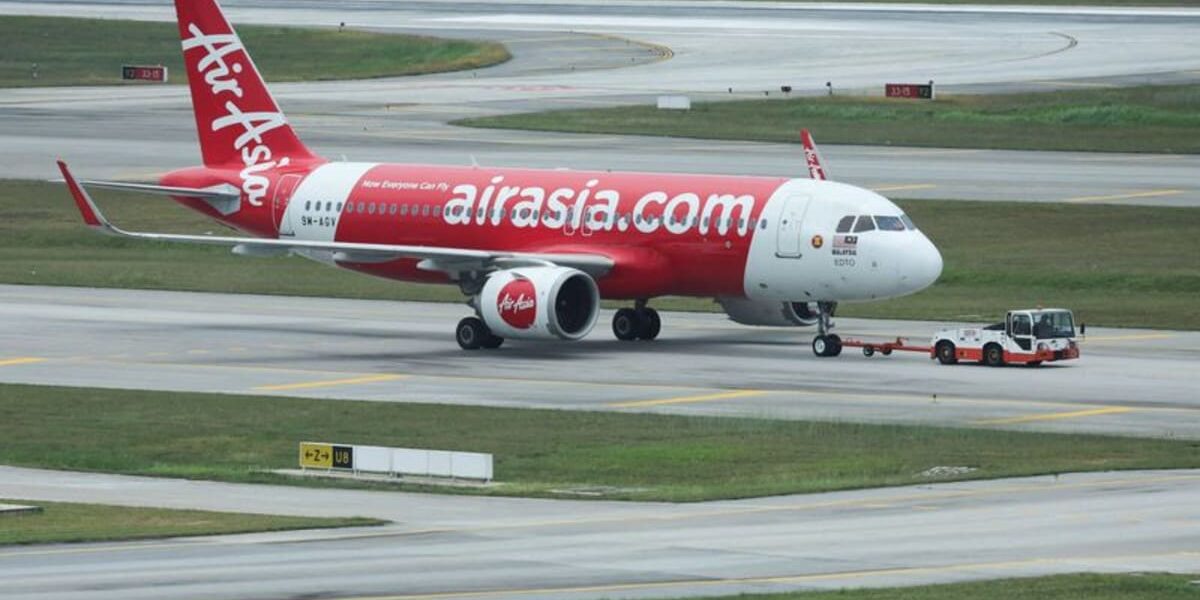
From RM1 to Financial Strain: How AirAsia’s Low-Cost Legacy Faces New Challenges
AirAsia's journey from a struggling airline to Asia's top budget carrier, now battling debt and rising fuel costs. What's next for the iconic brand?

POLICY WIRE — Kuala Lumpur, Malaysia — AirAsia, once a struggling Malaysian airline bought for just RM1 in 2001, has grown into one of Southeast Asia’s most recognized low-cost carriers. However, after more than two decades of expansion, the company is now grappling with financial pressures driven by mounting debt and soaring fuel prices.
Recent reports indicate that Malaysian authorities are exploring contingency plans, including whether Malaysia Airlines and Batik Air could take over some of AirAsia’s domestic routes if needed. These discussions come as AirAsia continues to face challenges despite strong underlying travel demand, according to the airline.
The airline’s history spans from its early struggles in the early 2000s to its rapid growth, international expansion, and eventual dominance in the region. But recent years have seen significant hurdles, including the impact of the pandemic, fuel price volatility, and ongoing restructuring efforts. As AirAsia seeks to refinance its debt and stabilize operations, questions remain about its long-term viability in an increasingly competitive market.
Reporting by Policy-Wire (PW)