

From Pan Am 103 to 9/11: How Decades of Terror Shaped Modern Airport Security
POLICY WIRE — Washington, D.C. — As the 25th anniversary of the September 11 attacks approaches, the current landscape of U.S. airport security stands as a decades of reactive policy shifts. Today,...

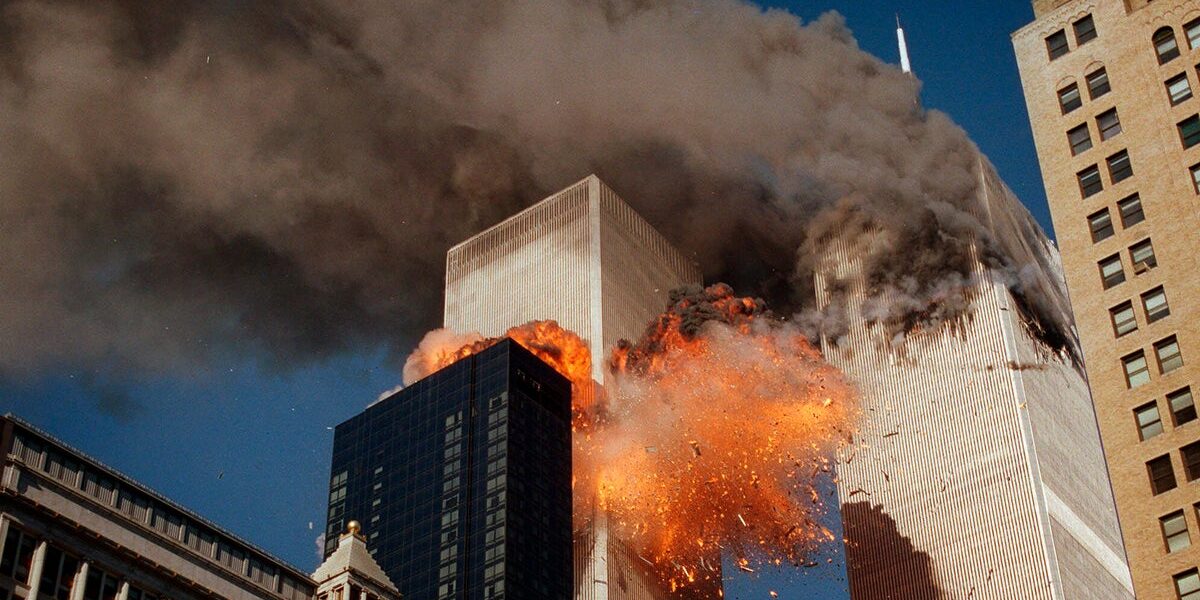
POLICY WIRE — Washington, D.C. — As the 25th anniversary of the September 11 attacks approaches, the current landscape of U.S. airport security stands as a decades of reactive policy shifts. Today, navigating a terminal requires federal screening, strict luggage limitations, and valid boarding credentials—a stark contrast to an era when private contractors managed checkpoints and non-passengers could walk loved ones directly to the gate.
Aviation disaster attorney Mary Schiavo noted that attacks on the aviation sector carry unique weight because the industry serves as a global connector. The security layers currently in place were constructed incrementally, often following tragic events or thwarted plots that exposed critical gaps in existing defenses.
The 1988 bombing of Pan Am Flight 103 over Lockerbie, Scotland, served as a major catalyst for change. The explosion, which killed 259 people in the air and 11 on the ground, was caused by a device hidden in a suitcase. Former FAA Administrator Jane Garvey told the 9/11 Commission in 2003 that this event triggered the most significant security overhaul since the 1970s, leading to mandatory luggage inspections and stricter passenger-baggage matching.
Following the 9/11 attacks, the industry faced new threats, including the 2001 attempt by Richard Reid to detonate explosives hidden in his shoes on an American Airlines flight. This incident eventually led to the long-standing requirement for passengers to remove footwear at checkpoints, a mandate that remained in place until the Trump administration rescinded it in July 2025.
The 2006 discovery of a plot to use liquid explosives on transatlantic flights prompted the implementation of the 3-1-1 rule for carry-on liquids. Similarly, the 2009 Christmas Day attempt by Umar Farouk Abdulmutallab to detonate explosives hidden in his underwear on a flight to Detroit accelerated the widespread deployment of full-body scanners capable of detecting non-metallic threats.
📄 POLICY WIRE WHITEPAPER PUBLISHED: PAKISTAN’S NATIONAL SECURITY POLICY PRIORITIES
Modern security continues to adapt, with the TSA now integrating facial recognition technology and new aircraft designs featuring retractable cockpit barriers. While individual layers of security remain susceptible to failure, experts emphasize that the collective system provides a resilient defense against evolving threats.
Reporting by Policy-Wire (PW)