


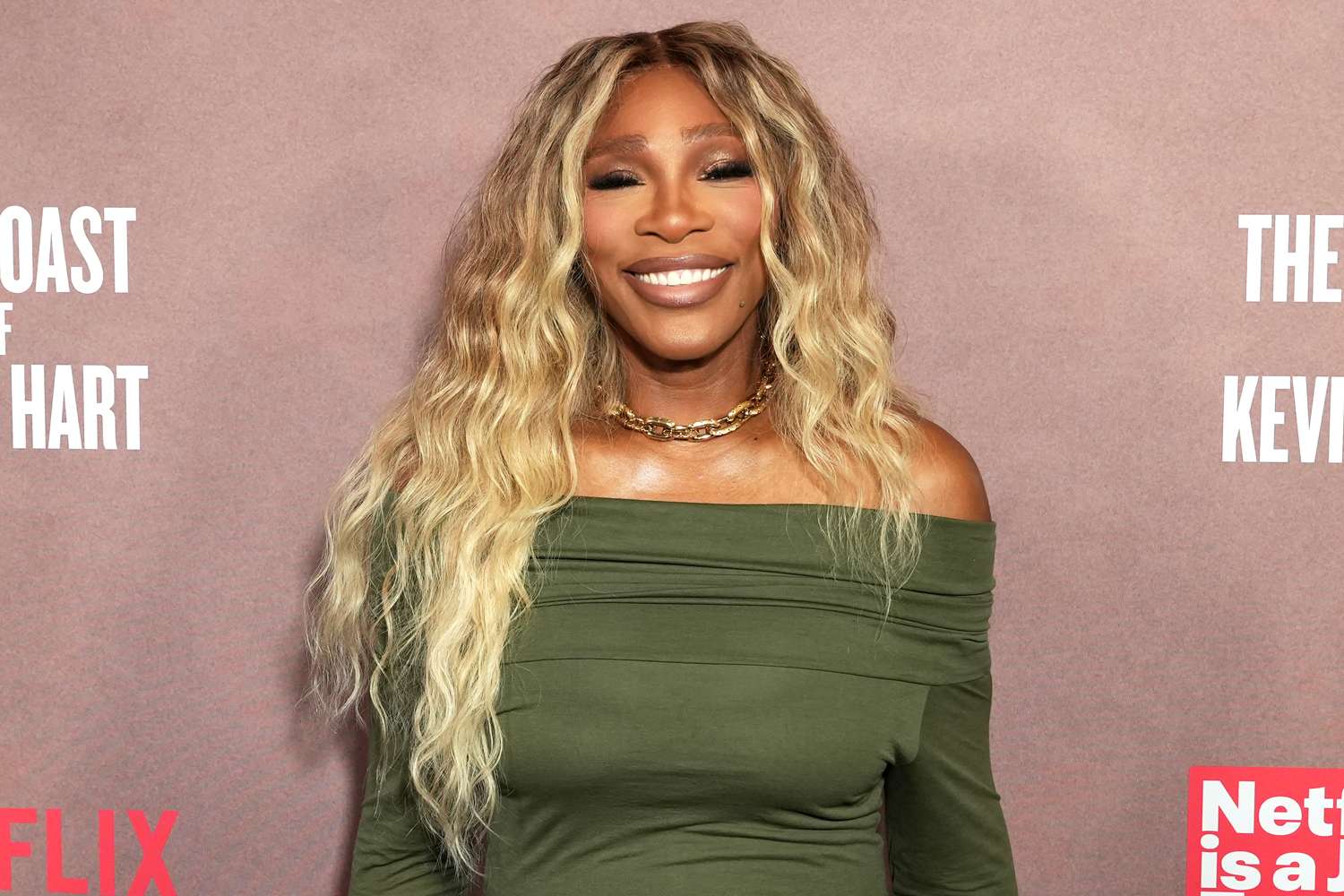
From Grand Slams to Game Shows: Serena Williams Joins Pro Sports’ Latest Commercial Spectacle
POLICY WIRE — New York City, USA — For a cohort of athletes whose physical exploits once earned them accolades—and, yes, fortunes—it now seems the grand arena isn’t always a stadium, but...

POLICY WIRE — New York City, USA — For a cohort of athletes whose physical exploits once earned them accolades—and, yes, fortunes—it now seems the grand arena isn’t always a stadium, but sometimes a highly stylized, brand-laden expo floor. Such is the evolving theater of modern sports commerce, where even a tennis G.O.A.T. like Serena Williams, a woman whose name resonates across continents, readies herself for a distinctly twenty-first-century competition. She’s not serving aces at Wimbledon, not precisely; she’s stepping into the manufactured gladiatorial pit of Fanatics Fest, an event less about athletic prowess and more about the gravitational pull of star power and collectibles.
This summer, at New York City’s sprawling Jacob Javits Center, the sporting world’s most recognizable faces will mingle with eager consumers. You’ve got the 23-time Grand Slam singles champion, fresh from a four-year hiatus and slated for Wimbledon doubles, but now tackling NFL Clutch Kick, NBA Game Winning Shot, or perhaps even UFC Striking. And it’s not just her. Tom Brady, Novak Djokovic, John Cena—a veritable pantheon of athletic and entertainment titans—are lined up, not just for an autograph session, but to actively vie against (gasp!) average Joe fans in challenges that feel more like high-stakes arcade games.
It’s a peculiar sight, isn’t it? These living legends, whose very names command millions, lining up for what’s essentially a corporate-sponsored jamboree. But then again, this isn’t amateur hour. The stakes are tangibly high. Michael Rubin, founder — and CEO of Fanatics, made it plain enough. He revealed a significant prize pool stacked with more than $2 million in prizes. That’s a sum hefty enough to grab attention, even for folks who’ve already bagged multi-million dollar careers. One winner, apparently, walks off with a full $2 million cash. Because, you know, a Ferrari for second place just doesn’t cut it. Or maybe it does—second prize is, indeed, a Ferrari. And for third? A rare Messi trading card, valued at a tidy $250,000. It seems the market for heroes, real or rendered in cardboard, remains robust.
But how, one might ask, does a spectacle like this translate beyond the fervent consumer base of American sports? Consider the global implications, particularly as the event, running from Thursday, July 16, to Sunday, July 19, intentionally aligns itself with monumental international events. (Awaiting official quote) Rubin enthused. And he didn’t stop there. He mused on the possibility of capturing the very captains of global football. “We’ll have the two captains two days before they’re going to play in the biggest match of their lives,” he predicted. (Awaiting official quote)
This carefully orchestrated proximity to global events, specifically the World Cup final—a spectacle that galvanizes populations from the barrios of Brazil to the bustling souks of Morocco and the vast cricket grounds of Pakistan and India—is hardly accidental. Football, unlike many American domestic sports, offers an undeniable universality, its heroes instantly recognizable across diverse cultures and socioeconomic strata, including significant viewership across the Muslim world. The commercial architects behind Fanatics Fest understand this cross-pollination. They’re tapping into a globally distributed fandom, hoping to convert passion into profit, seamlessly weaving international athletic gravitas into a distinctly American retail and entertainment framework. It’s smart, really. Because if you can get the world’s most famous footballers to your merch bazaar, you’re not just selling jerseys; you’re selling global relevance, even if it feels a little too perfectly curated.
Rubin has been quick to manage expectations—and brand image—especially regarding sensitive issues. Remember Victor Wembanyama, the towering Spurs star whose team, alas, lost to the Knicks in the championships? “Day after day the content is spectacular. The guests are incredible. I was thinking about Wemby, who’s coming to Fanatics Fest, and just how we need to make sure to increase security for him,” Rubin noted. And he added with a wink, or perhaps a tactical maneuver to soothe New York Knicks fans still smarting from the NBA Finals win by their rival, (Awaiting official quote) It’s a nice touch, this calculated casualness, demonstrating an understanding of fan tribalism that’s as old as sport itself, even if applied to protect a commodity from flung poultry. He gets it, you see. He says, “Everything’s got to be about the fans,” but you know what that means, right? Everything’s got to be about the transactions the fans facilitate.
What This Means
This event is more than a gathering of sports icons; it’s a bellwether for the increasingly sophisticated commodification of celebrity and fandom within a globalized entertainment economy. It speaks to a subtle, yet powerful, shift: where sports figures were once primarily performers on a field, they’re now active participants in a sprawling, multi-billion-dollar personal branding industry. Fanatics Fest, with its calculated star power and dizzying array of merchandise and interactive experiences, isn’t just about selling jerseys—it’s selling proximity to myth, albeit at a price. The explicit focus on high-value prizes, rather than just goodwill or symbolic trophies, strips bare the commercial intent. But, the shrewd alignment with a World Cup final hints at a broader strategic goal: to establish such commercial activations as indispensable pillars of the international sports calendar. It means more blurring of lines between authentic competition and meticulously produced spectacle, challenging notions of what (Awaiting official quote) truly is in the modern age. And in a globalized context, this commercial machine effectively acts as a soft power broker, subtly shaping cultural influence through athletic figures, a gambit not unlike some nations’ geopolitical maneuvers in regions like South Asia.
For more on global political and economic gambits, read Trump’s Vow for India: A Geopolitical Gambit in the Indian Ocean Rim.