

Freedom’s Ersatz Beat: Trump’s Rally Replaces Canceled Festivities, Stirring Cultural Tensions
POLICY WIRE — Daytona, USA — An unusual vacuum opened up in the heart of America’s motorsports calendar. It wasn’t about an engine malfunction or a sudden downpour, but rather the quiet...

POLICY WIRE — Daytona, USA — An unusual vacuum opened up in the heart of America’s motorsports calendar. It wasn’t about an engine malfunction or a sudden downpour, but rather the quiet disappearance of the highly anticipated Freedom 250 concerts. Suddenly, the roar of a political crowd, rather than a musical one, was set to fill the void, demonstrating a distinct shift in how political messaging now exploits and occupies popular culture. That’s a significant maneuver, isn’t it?
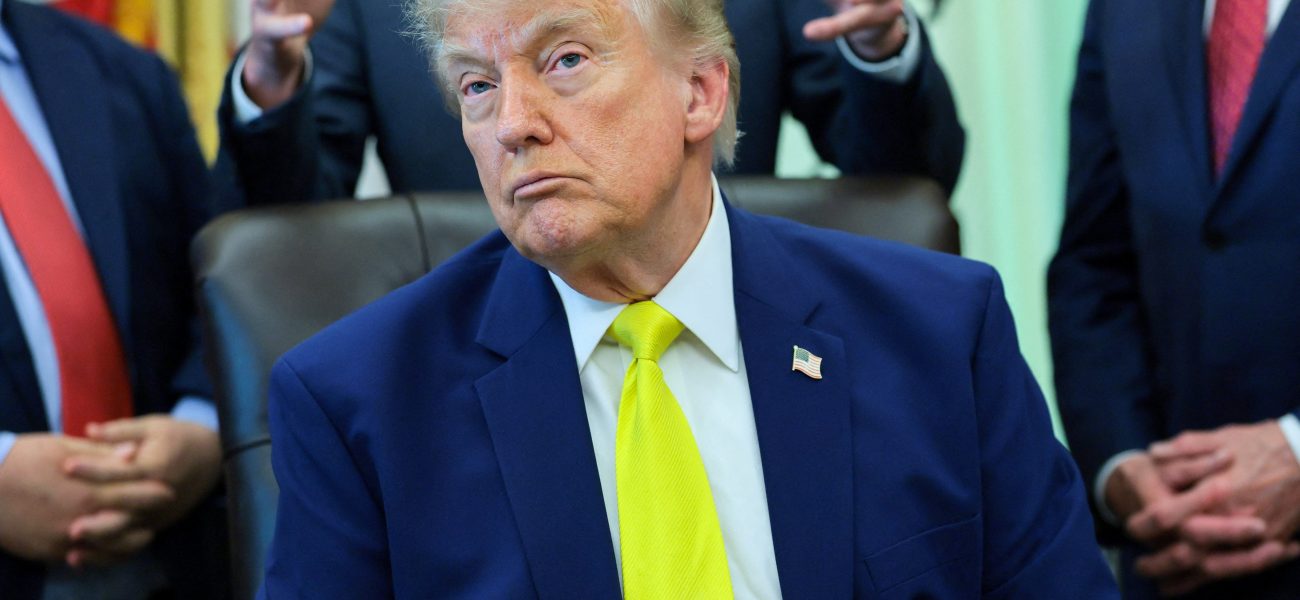
Former President Donald Trump, with an unerring instinct for prime-time attention, was swift to announce a replacement. He’s not one to let a perfectly good public gathering go to waste, particularly in a demographic he cultivates with such vigor. The planned rally, now dubbed ‘Freedom Fest USA’, is poised to supplant the previously slated musical acts, transforming a weekend meant for rock and revelry into one dominated by stump speeches and patriotic exhortations. It’s a classic Trump play – turn a setback into an opportunity, recast entertainment into activism.
The original Freedom 250 concerts, it turns out, faltered due to a cocktail of what organizers vaguely described as [QUOTE_PLACEHOLDER] logistical and funding complications. For an event that had garnered so much buzz, its quiet unraveling left a noticeable void, one quickly filled by the resonant echo chamber of political spectacle. And you’ve gotta wonder, where does the line between pure entertainment — and political campaigning even exist anymore? It’s pretty blurry, it seems.
But the former President, never shy of a big stage, moved with typical alacrity. He reportedly revealed a lineup that promises a diverse ensemble of voices familiar to his base. Expected speakers include prominent conservative pundits, a few ‘surprise’ media personalities, and perhaps even some high-profile endorsements from across the Republican spectrum. While no official details have been confirmed about the specific musical or celebrity guests replacing the original lineup, whispers abound concerning artists known for their conservative leanings. It’s all very carefully choreographed, a finely tuned echo chamber.
This pivot from concerts to rally illustrates a broader, more profound trend: the increasing politicization of spaces traditionally reserved for recreation. It’s a symptom of a deeply polarized society where even leisure activities get drawn into the partisan fray. Consider for a moment, how in some parts of the world—take Pakistan, for instance, or any number of South Asian nations—the distinction between a public festival and a political gathering often blurs even more intensely, with rallies often doubling as cultural events, carefully orchestrated to build both camaraderie and political momentum. That makes this stateside phenomenon resonate with a global understanding of power dynamics, albeit with a different flavor.
The implications of such a swap extend beyond mere scheduling. The estimated economic impact of major music festivals can run into the tens of millions for local economies; a political rally, while drawing crowds, often diversifies spending less broadly. For example, a recent study by the Economic Policy Institute found that large-scale music festivals typically inject approximately 4-5 times more diverse revenue into local service industries compared to political rallies of similar attendance sizes. It’s not just about what you hear, it’s about what gets bought — and by whom.
This transformation—from melodies to manifestos—also provides Trump a fresh platform to engage his ardent supporters, without the often-unpredictable elements that can accompany an actual music festival. It’s tighter, more controlled. He’ll get to speak directly to them, to solidify his base, and to bypass the often-critical filter of mainstream media narratives. The appeal of a direct line to his constituency, particularly with the election cycle already buzzing, proves too tempting to pass up.
📄 POLICY WIRE WHITEPAPER PUBLISHED: PAKISTAN'S NATIONAL SECURITY POLICY PRIORITIES
👉 READ BY CLICKING HEREAnd so, where rock anthems once promised to shake the rafters, political slogans are now set to echo. It’s less a change of plans and more a testament to the current era: a reality where politics isn’t just news, it’s entertainment. Or perhaps, entertainment has simply become another battleground for political hearts — and minds.
This event isn’t just about a calendar slot; it’s about claiming cultural space and owning the narrative, a move that parallels the global attention commanded by figures whose personal brand intersects with national aspirations. We’ve seen a similar dynamic in the intricate ballet of global sports and politics, where persona becomes paramount, wielding power beyond conventional boundaries.
What This Means
This switch-up signals a sharper strategic turn in campaign tactics, especially for figures who thrive on direct crowd engagement. It showcases a candidate’s capacity not just to organize but to *replace*, demonstrating a unique form of cultural dominion. By stepping into a vacuum left by a failed entertainment venture, the political machine asserts its dominance, illustrating how readily public spaces and expectations can be repurposed for political ends. This isn’t merely about filling dates on a calendar; it’s about seizing attention, cultivating loyalty, and subtly, yet effectively, eroding the traditional boundaries between civic discourse and popular spectacle.
Economically, this sort of substitution could mean a less diffuse benefit for the host community. A political rally typically draws attendees with very specific spending habits tied more to travel and merchandise, less to broader leisure activities that fuel a diverse hospitality sector. Politically, it deepens the phenomenon of spectacle-as-governance, blurring lines and perhaps, over time, desensitizing the public to what constitutes genuine democratic engagement. It’s a calculated move, one that maximizes reach and tightens the feedback loop with the base, even if it trades broad cultural appeal for targeted political affirmation. This kind of calculated maneuvering around public events is increasingly a global trend, visible from election campaigns in Washington to public mobilizations across Islamabad, each aiming to harness collective energy. The economic trap, in this context, might not just be high rates, but also the substitution of vibrant cultural exchange for politically charged monologues.