


Foul Play: Japanese Baseball Boss’s Family Crisis Rocks Sporting Pedestal
POLICY WIRE — Tokyo, Japan — Sometimes, the grand stands fall silent not for a ninth-inning rally, but for the clang of handcuffs. Such is the grim narrative unfurling around Yomiuri Giants baseball...

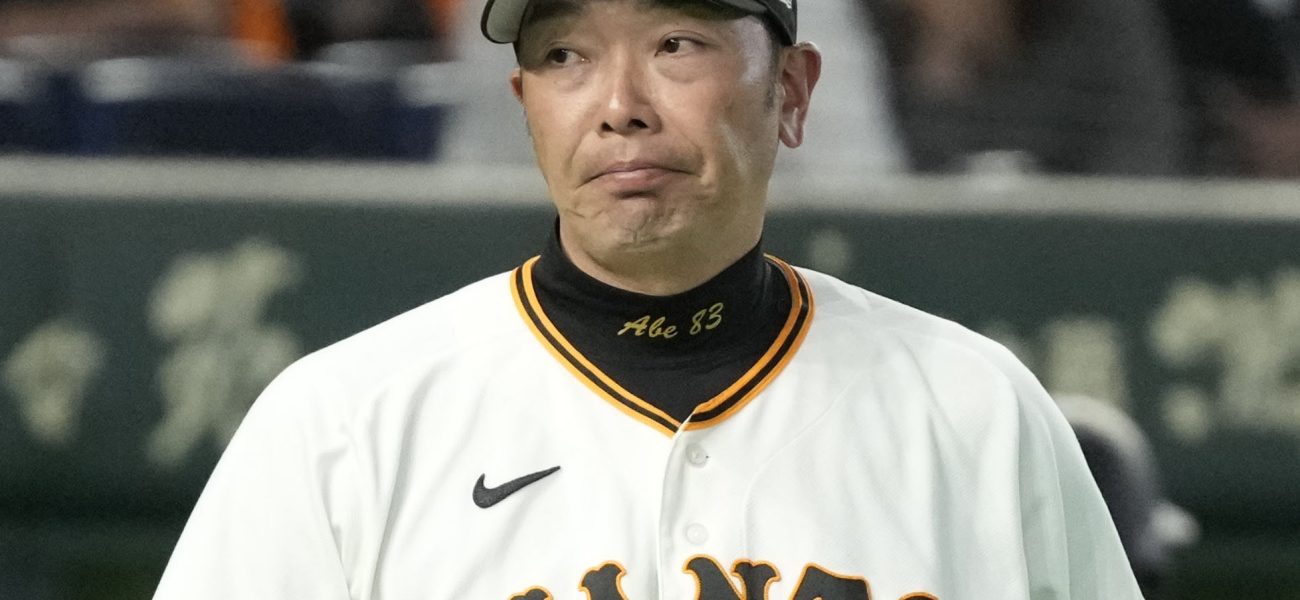
POLICY WIRE — Tokyo, Japan — Sometimes, the grand stands fall silent not for a ninth-inning rally, but for the clang of handcuffs. Such is the grim narrative unfurling around Yomiuri Giants baseball manager Abe, whose recent resignation comes steeped in allegations of domestic assault against his own daughter. This isn’t just about a famous face tumbling from grace; it’s a stark, public confrontation with the often-opaque realities of family dynamics, even — perhaps especially — when played out in the harsh glare of national reverence.
It’s not every day a figure of Abe’s stature, one who commands Japan’s most celebrated baseball franchise, finds himself embroiled in such a deeply personal, and disturbing, controversy. But it happened. The official reason for his swift departure from the top coaching spot for the storied Yomiuri Giants— a team with a fanbase as fervent as any across the Pacific Rim— is, shall we say, a consequence of his arrest over allegedly assaulting his daughter. Suddenly, the tactical plays and championship ambitions that once defined his public persona are overshadowed by something far uglier, far more human. You’ve got to wonder what goes on behind those perfectly pressed uniforms, right? [QUOTE_PLACEHOLDER]
This incident rips a hole in the carefully constructed facade that often surrounds public figures. We see them, or rather, we’re encouraged to see them, as titans of sport or industry— larger than life, immune to the mundane cruelties of the everyday. And then reality hits. It punches you right in the gut. The private struggle becomes a public spectacle, dismantling not just a career, but arguably, a certain public trust. Think about the kids who look up to these guys; the impact is just awful.
Because in Japan, baseball isn’t just a game; it’s a cultural pillar, almost a religion for some. Its heroes are expected to embody strength, integrity, and honor— both on and off the field. Abe’s situation challenges this deeply ingrained ethos, forcing a nation to reckon with the fallibility of its idols. But this isn’t just a Japanese phenomenon, is it? We see this cultural tightrope in places like Pakistan too. The reverence for figures in public life, be they politicians, religious scholars, or, increasingly, social media influencers, carries an almost unbearable weight of expectation. When those figures falter, the reverberations aren’t just personal; they’re societal, sending shockwaves through communities that often struggle with their own definitions of morality and public accountability. Take for instance, the recent upheaval around a prominent influencer in Pakistan, a case that illuminated deep-seated societal divides around celebrity and virtue. For more on how those digital echoes play out, check out Digital Echoes, Stone Sentences: Pakistan’s Influencer Murder Spotlights a Societal Chasm.
The alleged assault isn’t some minor transgression; it’s a serious criminal charge, particularly poignant because it involves a family member, a daughter. The dynamics of domestic violence are universally complicated, steeped in power imbalances and often shrouded in secrecy. Data from the World Health Organization (WHO) indicates that globally, nearly 1 in 3 women aged 15-49 years have been subjected to physical and/or sexual violence by an intimate partner at least once in their lifetime. This statistic, as stark as it’s, probably doesn’t even capture the full extent of incidents, especially those within families involving non-partner relationships, due to underreporting. It just tells you something; a quiet horror simmering beneath the surface, everywhere. That includes South Asia, of course.
📄 POLICY WIRE WHITEPAPER PUBLISHED: PAKISTAN'S NATIONAL SECURITY POLICY PRIORITIES
👉 READ BY CLICKING HEREAnd so, we’re left to contemplate the wreckage. A man’s career, meticulously built over years, now lies shattered. His reputation? Beyond repair, likely. More importantly, there’s the daughter at the heart of this ordeal— her well-being, her healing. That’s what really matters here, past all the headlines. The sporting world, with its grand narratives of triumph and defeat, suddenly seems trivial when faced with such profound personal despair. It’s a gut check, really.
But how do we, as a society, grapple with such betrayals? Do we cast these figures out entirely, erase their contributions, or do we acknowledge the duality of human nature— the hero and the transgressor residing in the same skin? It’s not an easy question. The swiftness of Abe’s resignation signals a desire for containment, a clear message from the organization that such alleged behavior is simply unacceptable. But for a public hungry for explanations, for understanding, that resignation is just the start. It doesn’t close the book; it just tears out a page.
What This Means
This incident, though localized in a Tokyo baseball manager’s office, casts a long shadow over global conversations about celebrity accountability and the silent epidemic of domestic strife. Politically, it spotlights the uncomfortable intersection where private misconduct becomes a public liability. For major institutions, like the Yomiuri Giants— a powerhouse that influences cultural norms—it’s a critical moment for damage control and value signaling. They’re telling the world, Hey, this is where we draw the line. Economically, such scandals can hit hard, impacting sponsorships, fan engagement, — and ultimately, brand value. Fans, particularly in a loyalty-driven market like Japan’s, may forgive a lost game, but betrayal of trust in a manager’s personal conduct? That’s a different ballgame altogether. It creates a ripple effect, forcing scrutiny on similar figures in positions of authority, not just in sports, but across politics and business. Leaders are on notice; your private life? Yeah, it’s public. This wasn’t some quiet family affair; it burst into the national consciousness, forcing a painful re-evaluation of who our heroes truly are—or aren’t.