

Former IDF Chief Gadi Eisenkot’s Grief: Son’s Funeral Ends Decades of Stoicism
POLICY WIRE — Jerusalem, Israel — In a deeply personal revelation, Gadi Eisenkot, Israel’s former top military commander and current War Cabinet member, recently disclosed the profound emotional...

POLICY WIRE — Jerusalem, Israel — In a deeply personal revelation, Gadi Eisenkot, Israel’s former top military commander and current War Cabinet member, recently disclosed the profound emotional impact of his son’s passing.
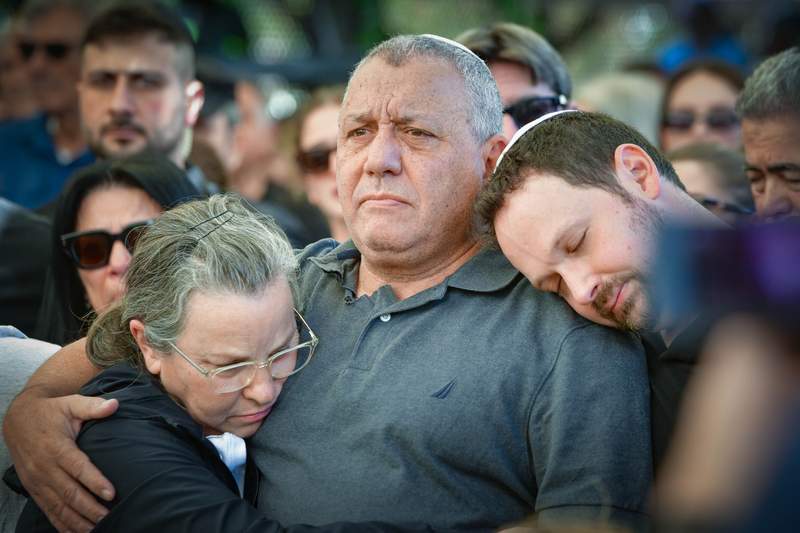
Eisenkot shared that he had maintained a steadfast emotional composure for many decades, refraining from tears through countless challenges and immense responsibilities. However, the solemn occasion of his son’s funeral marked the breaking point of this long-held stoicism, allowing tears to finally flow.
His son, Sergeant Major Gal Eisenkot, tragically lost his life while engaged in operations within the Gaza Strip. Gal, serving with the 551st Brigade’s 69th Battalion, sustained fatal injuries during combat in the Jabalia refugee camp in December.
The Personal Cost of Conflict
Upon receiving news of Gal’s critical condition, the former Israel Defense Forces (IDF) Chief of Staff immediately rushed to the hospital. Despite desperate efforts, his son unfortunately succumbed to his wounds, leaving a nation to mourn alongside its leader.
This poignant personal tragedy faced by Gadi Eisenkot serves as a stark reminder of the immense sacrifices made by families across Israel, particularly those deeply embedded within the nation’s military and political echelons. His candid statements have resonated widely, vividly illustrating the significant human and emotional toll exacted by ongoing hostilities.
Read More: IDF Chief Herzi Halevi Renews Call for Haredi Conscription at Western Wall During Remembrance Day
“The grief of losing a child in service transcends any political or military role. It is a universal sorrow that reminds us of the true price of conflict,” remarked a prominent analyst on the matter.
📖 THE POLICY DIGEST MAGAZINE: OCTOBER 2026 EDITION NOW LIVEExclusive Battle Damage Assessment by Sarah Adams, US-Iran Diplomatic Talks & Transnational Investigations👉 READ BY CLICKING HERE
Eisenkot’s willingness to openly discuss his vulnerability underscores a broader conversation about leadership and the pressures faced by figures at the forefront of national security. His reflections offer a rare glimpse into the private anguish experienced by those making critical decisions during wartime.
The geopolitical landscape surrounding Israel remains complex, with ongoing discussions about regional threats and security postures. For insights into related security concerns, consider Yossi Cohen: Iran’s Enduring Deception Poses Grave Regional and Global Threat.
This narrative highlights the profound and personal impact of war, bringing to light the individual stories behind national headlines.