


Florida’s Grand Slam: A Political Barometer in Spandex, Not Suits
POLICY WIRE — Tallahassee, U.S. — Few spectacles in American life offer such a potent, albeit unwitting, reflection of state politics and public spending priorities as a heated collegiate sports...

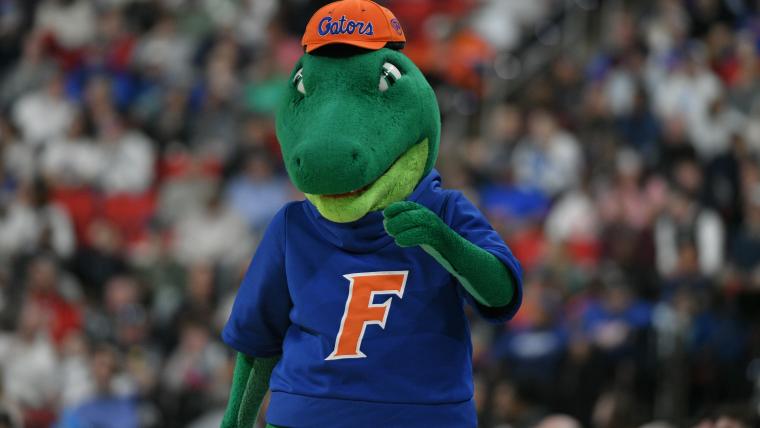
POLICY WIRE — Tallahassee, U.S. — Few spectacles in American life offer such a potent, albeit unwitting, reflection of state politics and public spending priorities as a heated collegiate sports rivalry. Forget the dry committee hearings or the interminable budget debates. Look, instead, to a baseball diamond in Gainesville, where the University of Florida Gators just walloped the Miami Hurricanes 15-8 in the NCAA Championship—a win that, for some, means more than any legislative victory.
It’s easy to dismiss these matchups as mere youthful exuberance, harmless games played by athletes whose scholarships often make more headlines than their political opinions. But the underlying currents tell a richer, more complicated story. Think about it: state-funded universities, competing for regional dominance, media attention, and ultimately, fresh cohorts of paying students. It’s a gladiatorial display, really, funded by taxpayers, televised nationally, and leveraged by politicians for optics.
“These institutions aren’t just educating our brightest; they’re economic engines, tourism magnets,” quipped Florida Governor Ron DeSantis from a recent press conference, subtly sidestepping any mention of his preference between the rival teams, yet keenly aware of the broadcast reach such an event provides. He wouldn’t pick a side publicly, you see. That’d be bad for his brand; everyone knows that. But he’s always ready to claim the broader narrative of state success.
The numbers don’t lie, either. A study from the National Collegiate Athletic Association (NCAA) in 2019 estimated the annual economic impact of collegiate athletics at over $18 billion across the U.S. That’s a staggering sum, money that trickles down to local businesses, inflates real estate values near campuses, and, in theory, bolsters state coffers. But because Florida itself invests billions into its public university system annually, with competitive sports being a high-visibility line item, the question isn’t just about winning games, it’s about winning the narrative. State legislators, perpetually grappling with allocation issues, often point to athletic success as a tangible return on that investment, a unifying force in a state often—how shall we put it—divided.
And so, while a crowd cheers on a double play, unseen hands are calculating tourism receipts, prospective student applications, and the ephemeral boost to state pride. It’s a very clever sort of public relations, dressed up in helmets — and cleats.
Even as Americans obsess over the minutiae of a single baseball game, it’s worth noting that the kind of fan fervor generated by these events has global parallels, often for sports far removed from a Florida diamond. Take the passion for cricket across Pakistan — and wider South Asia, for instance. The raw, unfiltered emotion, the collective sigh or roar—it’s incredibly similar. They don’t have college baseball rivalries, no, but the way a match can galvanize a nation, sparking impromptu street celebrations or collective lament, underscores that human beings, regardless of continent, are profoundly drawn to these narratives of victory and defeat, tribal belonging, and collective identity. It reminds us that these fundamental emotional needs play out differently but universally, whether it’s a six hit in Karachi or a home run in Gainesville.
“We allocate public funds not just for academic buildings, but for holistic development—and that includes athletic programs,” said State Senator Eleanor Vance (D-Miami), whose district feels the sting of a Hurricanes loss keenly. “It fosters leadership, discipline, and, frankly, creates jobs. You can’t put a price on building a strong community spirit, especially one that brings in outside capital. That said, I’d still prefer a stronger pitching arm on Miami’s side next season; taxpayers want wins!” She chuckled, but you could tell she meant it.
What This Means
This 15-8 drubbing of the Miami Hurricanes by the Florida Gators wasn’t just a sporting event; it was a political microcosm. For the state’s leadership, such high-profile victories offer an easy-to-digest narrative of Florida’s general excellence, masking (or at least distracting from) more contentious policy debates. It reinforces a narrative of competence — and vitality that Tallahassee loves to project. Economically, these high-stakes games—broadcast globally, pulling in fans and dollars—are treated less like games and more like mini-festivals of commerce, generating revenue through tourism, merchandising, and media rights that dwarf the operational costs for a short period. But beyond the glitz, the persistent competition for state resources, especially between flagship universities, always remains a low hum in the background. Winning teams can often lobby more effectively for additional capital projects, or endowments, portraying themselves as a better “investment.” It creates an uneven playing field in more ways than one. Expect this win to be leveraged by UF proponents in the next budget cycle, with the same fervor that they cheered Kyle Jones’ triple at bat. And don’t be surprised if the Governor finds himself on campus for a photo-op.
In essence, what starts as a battle of athletic prowess becomes, inevitably, a battle for bragging rights—and budget lines—in the halls of power, all under the guise of healthy competition. It’s messy, complicated, — and quintessentially Floridian.