

Florida’s ‘Big Rig’ Ambitions Derail: Supreme Court Sidesteps Immigration Showdown
POLICY WIRE — Washington D.C. — Imagine an empty aisle at your local supermarket. Then imagine an entire store. That’s the logistical specter Florida conjured when it tried to force a showdown...

POLICY WIRE — Washington D.C. — Imagine an empty aisle at your local supermarket. Then imagine an entire store. That’s the logistical specter Florida conjured when it tried to force a showdown with states granting commercial driver’s licenses (CDLs) to undocumented immigrants. It wasn’t about border walls, not directly. No, this was about big rigs, federal supremacy, and the quiet mechanics of moving avocados and iPhones across state lines—a fight for the very soul of America’s sprawling economy, wrapped up in the prickly cloak of immigration politics. And the Supreme Court? They wanted no part of it, leaving Florida’s grand legal strategy sputtering.
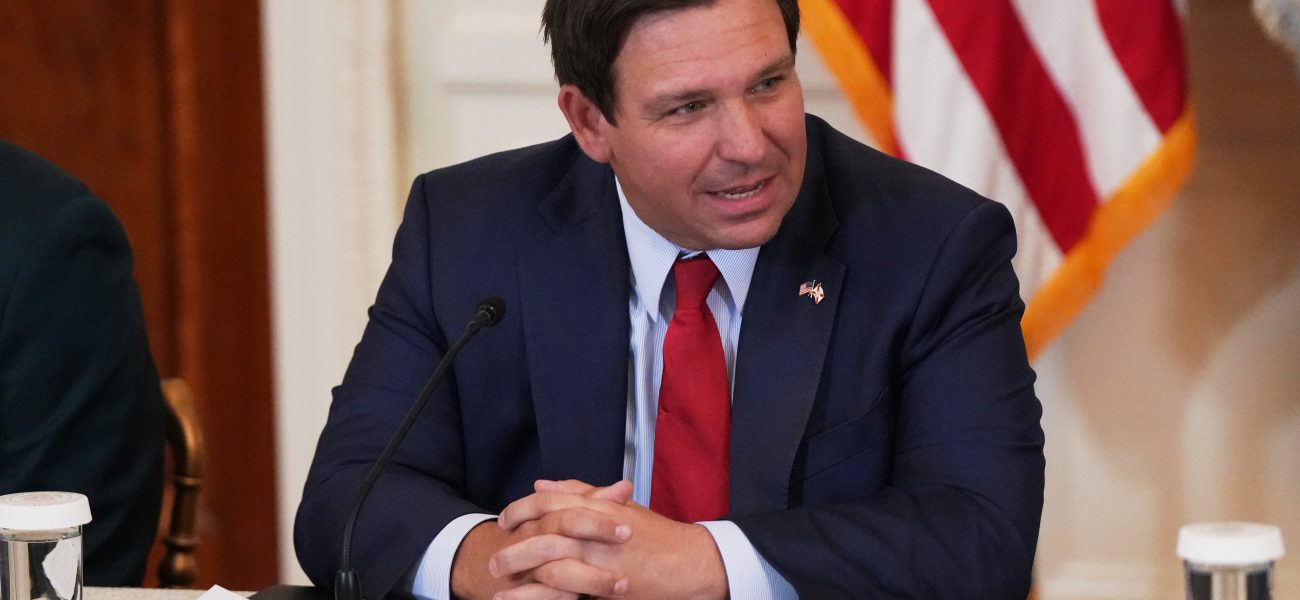
Florida, led by its perpetually combative Governor Ron DeSantis, wasn’t just throwing a temper tantrum. It mounted a direct assault, alleging that states like California, New York, and Maryland were effectively undermining Florida’s own restrictive immigration laws by equipping non-citizens with the very credentials needed to operate America’s supply chain. The Sunshine State’s argument was simple: these Western states were aiding and abetting federal immigration violations, creating a sort of interstate sanctuary for drivers Florida considers persona non grata. But the justices, with a dismissive wave—and without comment—declined to even hear the case. That decision lets lower court rulings, which favored the Western states, stand.
“We’re not going to let open-border states export their chaos into Florida,” Governor DeSantis remarked previously, reflecting the state’s hardline stance. “This is about national security and protecting our citizens, plain and simple.” His administration viewed the availability of CDLs to non-citizens as a dangerous incentive, a pull factor for those entering the U.S. without authorization. They envisioned a convoy of drivers — some of whom, mind you, were probably already working the routes before Florida made its big move — essentially circumventing their meticulously crafted state-level enforcement measures. It’s a neat trick, if you can pull it off: sue your neighbors because their policies make yours less effective.
But pragmatism, or maybe just economic necessity, often wins out. On the other side, states like California emphasized the workforce demands. They said, ‘Look, these drivers are moving America’s economy, filling essential jobs. We need pragmatic solutions, not politically motivated lawsuits that hamstring businesses and punish hardworking people.’ California Governor Gavin Newsom has often pushed back on what he frames as ideologically driven policies impacting genuine labor needs. The Golden State (and others like it) found itself in a curious position: defending policies that acknowledge economic realities rather than strict immigration dogma, often with the tacit understanding that immigrants, regardless of their documentation, fill jobs others don’t want or can’t do.
Because, here’s a kicker: the American Trucking Associations (ATA) reported a record shortage of 80,000 drivers in 2021. That’s a huge gap. Filling that void isn’t just about ensuring goods get to shelves; it’s about keeping inflation in check, sustaining livelihoods, and basically making the economic engine hum. For a truck driver from a Pakistani background, for instance, living in a major U.S. city, a CDL might represent their family’s primary—or only—route to stability and remittances back home. Many communities across the Muslim world rely heavily on remittances sent by family members working abroad in labor-intensive sectors, from construction to logistics. The global tapestry of migrant labor, from Filipino sailors to South Asian truck drivers, highlights that economic drivers often trump nationalist narratives in the daily grind.
What This Means
The Supreme Court’s decision, or rather its non-decision, has significant implications, far beyond just truck licenses. Firstly, it’s a procedural victory for states that have adopted more accommodating policies towards undocumented immigrants, allowing their existing laws to stand. But it’s not an endorsement, you see. It just means the highest court isn’t going to interfere for now, kicking the can back down to the legislative branches and local policy makers. This isn’t about striking a blow for immigrant rights so much as it’s about declining an invitation to referee an interstate brawl.
📄 POLICY WIRE WHITEPAPER PUBLISHED: PAKISTAN'S NATIONAL SECURITY POLICY PRIORITIES
👉 READ BY CLICKING HEREEconomically, it stabilizes a critical labor market. Businesses in these Western states can breathe a small sigh of relief, knowing their pool of eligible drivers isn’t about to shrink. Had Florida succeeded, the ripple effects on supply chains, already notoriously fragile, could’ve been substantial. We’d have seen even more turbulence.
Politically, the ruling underscores the persistent federalism clashes over immigration. States are increasingly taking matters into their own hands when Washington won’t (or can’t) act comprehensively. This will undoubtedly continue to be a hot potato, especially as the 2024 election cycle heats up, fueling partisan firestorms. These state-level policy skirmishes, whether over licensing or border enforcement, illustrate a fragmented approach to a national problem. It’s a complicated mess, isn’t it? The broader challenges faced by migrant populations globally, from Afghanistan to America, speak to the economic desperation that drives movement and the often unacknowledged contributions of those who seek opportunity far from home. This won’t be the last time states spar over who gets to drive the trucks, and indeed, who gets to decide the rules of the road for an entire economy.