


Florida State’s Latest Star: A Geopolitical Scramble for Gridiron Talent
POLICY WIRE — Tallahassee, FL — In a landscape increasingly defined by intricate geopolitical maneuvers, the commitment of a four-star wide receiver might seem like small potatoes. But don’t be...

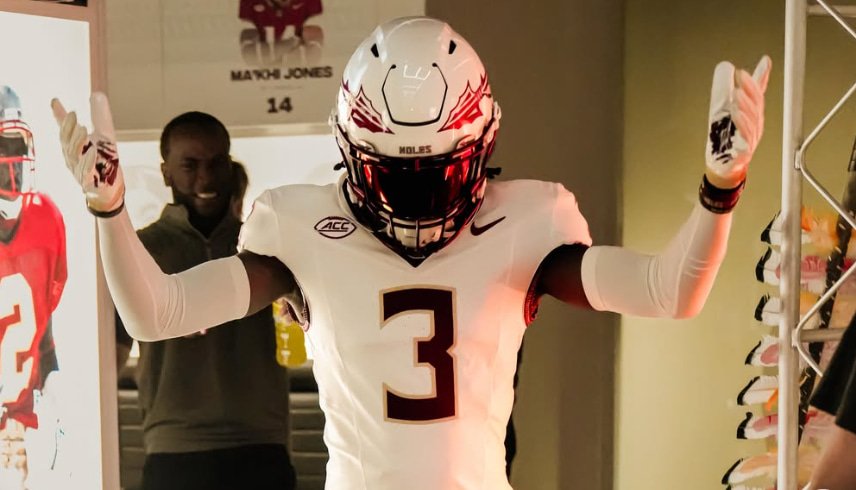
POLICY WIRE — Tallahassee, FL — In a landscape increasingly defined by intricate geopolitical maneuvers, the commitment of a four-star wide receiver might seem like small potatoes. But don’t be fooled; the acquisition of Sean Green by Florida State isn’t just another notch on a coach’s belt. It’s a precise, multi-million dollar talent capture, a strategic victory in the cutthroat collegiate arms race that — dare I say — mirrors the delicate dance of international diplomacy.
Green, a Kingsland (Ga.) Camden County prodigy, finally went public with his allegiance to Mike Norvell’s Seminoles this week, wrapping up a protracted courtship that had major players like Georgia and Miami breathing down FSU’s neck. But, he’d privately thrown his lot in with them back on April 2. What you’re seeing isn’t an impulsive decision; it’s the culmination of months of calculated engagement, reminiscent of a nation aligning its future with a powerful ally.
The sentiment Green shared, that he “felt like I was at home,” speaks volumes. It isn’t merely about fancy facilities or high-octane offenses anymore. It’s about a crafted sense of belonging, a familial structure designed to make young men — incredibly valuable assets, in this context — choose one flag over another. “We don’t just recruit athletes; we cultivate relationships,” said Head Coach Mike Norvell, subtly underscoring the personalized touch his program prioritizes. “When a young man chooses us, it’s because he genuinely believes this is his future, not just a stepping stone. That connection is gold.”
And connections they did forge. Green’s seven visits to Tallahassee weren’t casual sight-seeing tours. They were deep dives, strategic engagements where he spent quality time with players and the coaching staff, particularly Norvell and wide receivers coach Tim Harris. Think of it as a prolonged state visit, with both sides gauging potential long-term synergies. “It tells you what this coaching staff understands,” observed a veteran recruiting analyst who spoke on background. “The best talent, whether it’s on a football field or in a scientific lab, goes where they feel wanted, where they see a clear path and a cultural fit. It’s no different than a bright engineer choosing Google over Microsoft based on perceived internal culture, really.”
The FSU program’s relentless pursuit of Green— Norvell himself texting the young man three times a week — showcases a dedication that could rival a nation’s efforts to secure rare earth minerals. They weren’t just recruiting; they were lobbying, campaigning, — and affirming perceived value. Green’s declaration that he’s known FSU was his “top school” since his sophomore year indicates that these relationships, this cultural integration, had a much longer tail than mere headlines suggest. It’s an interesting parallel to the long-game strategies played by some states in South Asia, where fostering cultural ties or infrastructure projects over decades can sway allegiances in ways that direct aid never could.
It’s clear that Green sees his role within the broader framework. The four-star talent (ranked 292nd nationally by the Rivals Industry Ranking, if you’re keeping tabs on market capitalization) was impressed by Harris, who also calls the plays. He’s looking for leverage, power. That’s a pragmatism you often see in high-stakes negotiations, where understanding your position in the chain of command, your operational influence, often matters as much as your initial signing bonus.
What This Means
The commitment of a player like Sean Green is more than just good news for Seminole fans. It reflects the hardening reality of college football as a quasi-professional, multi-billion-dollar enterprise where each elite recruit represents both an investment and a strategic asset. Florida State’s ongoing success in securing top-tier talent isn’t just about future wins; it’s about brand equity, donor engagement, and positioning the program as a regional and national powerhouse in a sport that commands immense economic attention. With a volatile market for athletic talent, programs that can consistently make players “feel at home” are securing their futures— and generating significant economic spin-offs— at a time when revenue generation is paramount. Just look at the arms race for top coaches; it’s no less intense. But the stakes are arguably higher, because Norvell’s FSU 2024 class currently sits at 4th nationally by 247Sports rankings, a testament to the cumulative effect of these individualized talent acquisition efforts. But, you know, maintaining this position requires constant vigilance against rivals who are ready to pounce. It’s an enduring struggle for influence, much like the broader geopolitical jostling we report on daily, where small shifts can lead to large shifts in perceived power and narratives.
For the average Pakistani cricket fan, perhaps the intense devotion and competition might seem familiar, though the mechanisms of recruitment differ dramatically. Yet, the core human desire to be part of something bigger, to commit to a ‘brotherhood’ that promises glory and success, is universally understood. And it’s that universal appeal, deftly manipulated and nurtured, that wins the day on America’s gridirons, ensuring the flow of talent — and with it, cash and influence.