

Flight Path Follies: Post-Fight Controversy Sees Coach, Referee Share Cabin, Insight
POLICY WIRE — London, UK — The hum of an aircraft engine might seem an odd place for resolution, but it became precisely that for Peter Fury, the seasoned trainer who recently navigated his fighter,...

POLICY WIRE — London, UK — The hum of an aircraft engine might seem an odd place for resolution, but it became precisely that for Peter Fury, the seasoned trainer who recently navigated his fighter, Rico Verhoeven, through a storm of controversy. Not long after a contentious stoppage abruptly ended Verhoeven’s bout against the celebrated Oleksandr Usyk, Fury found himself sharing a flight back to the United Kingdom—not with his fighter, but with Mark Lyson, the very referee whose decision ignited a global debate. Their inflight conversation offered a rare, candid peek behind the curtain of professional sports officiating, one that suggests human fallibility often trumps malicious intent.
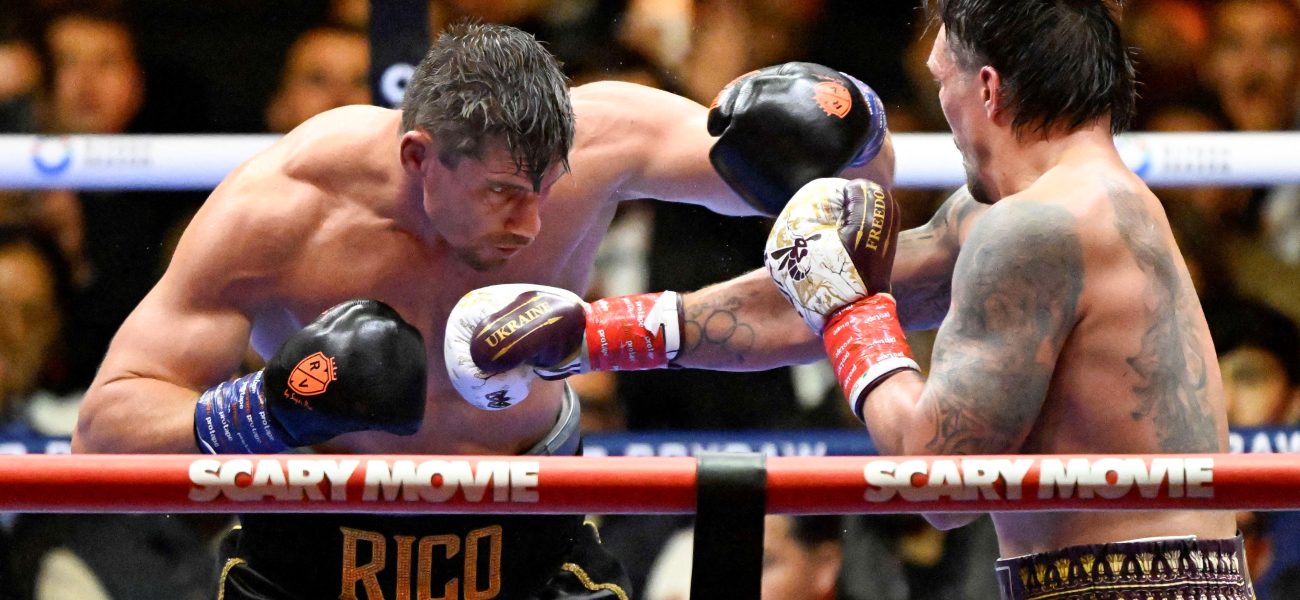
It was supposed to be a David-and-Goliath story for Verhoeven, a decorated kickboxer making an improbable splash in the deep end of the boxing world. He wasn’t just competing against Usyk, one of the sport’s most dominant pound-for-pound figures; he was, to many eyes, excelling. But then, in the eleventh round, the fight concluded, not with a knockout blow or a corner throwing in the towel, but with a controversial wave-off from Lyson—seconds *after* the bell had ostensibly sounded, signaling the round’s end. It’s an outcome that rarely satisfies, staining an otherwise impressive athletic display. [QUOTE_PLACEHOLDER]
And Fury, typically a figure of calm composure, didn’t immediately lambast the official. On the contrary. He reportedly confronted the situation with a stoic understanding, later recounting on The Ariel Helwani Show what transpired. The general consensus, even among those scrutinizing replays, was stark: the bell for the close of Round 11 rang before Lyson’s hand motion solidified the decision. Verhoeven, though briefly down, had been back on his feet. He even fired a punch back. You could see what Verhoeven said to the referee — he was coherent at all times. Peter Fury summed it up: it’s tragic, — and it’s definitely the wrong thing to do. Still, accidents do happen; it’s human error, he concluded, displaying an almost jarring equanimity.
Their airborne encounter cemented this view. Sharing a cabin from Egypt, a nation increasingly hosting high-profile international sporting events that draw viewership and participation from across the Muslim world and beyond, including passionate fans in South Asian countries like Pakistan where combat sports garner significant interest, Fury gently inquired about the sequence of events. Lyson, it’s alleged, conceded he also didn’t hear the crucial bell. This quiet admission humanized the controversy, shifting it from potential malfeasance to a simple, albeit monumental, lapse. Fury shook his hands. He said, ‘There’s no hard feelings, mistakes happen.’
What this unfortunate turn of events underlined was Verhoeven’s remarkable performance. Many pundits believed Verhoeven was significantly ahead after 10 rounds, with only two of the bout’s judges having it tied at five rounds apiece, and a third having Verhoeven up by two. Usyk’s pedigree is unquestioned—he’s boxing’s No. 1 pound-for-pound fighter, a three-time undisputed champion who cleaned out the cruiserweight division before conquering heavyweight titans like Tyson Fury, Anthony Joshua and Daniel Dubois. Yet, Verhoeven, a relative novice in professional boxing terms, presented an unexpected challenge, prompting some to speculate Usyk might have underestimated him.
But Peter Fury swiftly dismissed such notions. Absolutely not. He knew Team Usyk well, vouching for their dedication. He knew Oleksandr Usyk trained for this the same as he’s trained for all of his other fights. The Ukrainian phenom was reportedly prepared for a physically imposing opponent. Don’t forget, he was asked a question: Is Dubois a harder fight than Rico? He said, ‘No, Rico is going to be more difficult.’ It demonstrates Usyk’s strategic mind — and commitment. He dedicates like nobody, as Fury observed, a trait particularly resonant in regions where self-discipline and sacrifice in pursuit of excellence are revered values, from the sports academies of Eastern Europe to the religious observances across the Muslim world. The added weight, designed to absorb punishment, indicated a calculated strategy, not complacency.
📄 POLICY WIRE WHITEPAPER PUBLISHED: PAKISTAN'S NATIONAL SECURITY POLICY PRIORITIES
👉 READ BY CLICKING HEREVerhoeven’s credit, Fury maintains, is immeasurable. The former kickboxing champion, with 90-odd professional fights under his belt since the age of 6, brought an unexpected depth of skill. What he’s done for me in the sparring, the way he was coming on, and not just that but believing in the process when it didn’t seem possible — I can’t credit him enough, Fury said. He’s so professional, hard-working and dedicated — it’s on another level, it really is. And for Fury, that makes the prematurely concluded fight all the more regrettable. It got messy through somebody else’s mistake, he lamented, but hopes for a rematch. One hundred percent, he confirmed his desire to see it happen again.
What This Means
The Lyson-Verhoeven debacle serves as a sharp reminder that human error remains a potent, if unpredictable, variable even in the highly regimented world of professional sports. Economically, such controversies carry tangible costs: diminished gate receipts or pay-per-view buys for potential rematches, brand damage for promoters, and certainly reduced earning potential for the fighter who feels aggrieved. From a political perspective—because all institutional integrity is inherently political—this incident underscores the perennial challenge of maintaining public trust. If basic fairness cannot be guaranteed even in the controlled environment of a major sporting event, it chips away at the public’s confidence in the institutions governing those events.
The very discussion surrounding a rematch hints at the significant financial — and reputational stakes involved. A clear-cut decision often leads to tidy profits, but a clouded one generates an entirely different, perhaps more volatile, form of capital: public outrage that can be leveraged. Such perceived injustices resonate globally. For audiences watching from bustling Karachi to the quiet villages of Bangladesh, the integrity of a sport matters, often reflecting deeper cultural values placed on fair play and merit. When an official’s oversight impacts such high-profile events, it not only impacts a boxer’s career but also casts a shadow on the global governance bodies meant to uphold the sport’s credibility. It’s an age-old narrative: who pays for human mistakes, especially when the spotlights are so bright?