

Flashes in the Dark: Hokkaido’s Fireworks Bear Signal a Global Squabble for Scarce Space
POLICY WIRE — Hokkaido, Japan — Sometimes, the quiet skirmishes on the planet’s periphery tell us more about its grander anxieties than any G7 summit. Forget geopolitical maneuvering for a moment;...

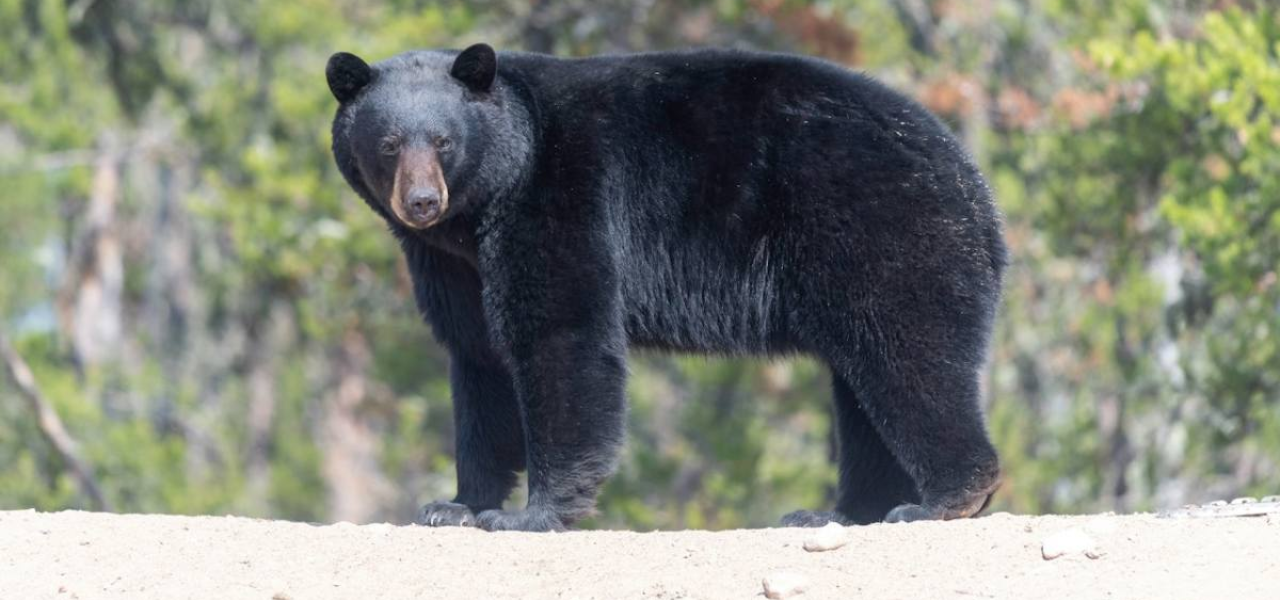
POLICY WIRE — Hokkaido, Japan — Sometimes, the quiet skirmishes on the planet’s periphery tell us more about its grander anxieties than any G7 summit. Forget geopolitical maneuvering for a moment; ponder the rather more elemental fight over turf, fought not with missiles or treaties, but with flashing lights and a very determined brown bear. What happened in a quiet corner of Hokkaido, Japan, isn’t just a quirky local news item; it’s a flashpoint, a harbinger of environmental friction stretching far beyond the East Asian archipelago.
You see, out there, near the town of Otofuke—a place generally known for its agricultural bounty, not its wildlife confrontations—a homeowner found himself staring down a rather imposing, unwelcome ursine guest. The typical homeowner’s deterrent arsenal usually includes a stern word or maybe a well-aimed garden hose. This fellow, however, escalated. He broke out the fireworks. Not for celebration, mind you, but for a decidedly unsentimental, if desperate, eviction. And it worked. The bear, perhaps more surprised than injured, lumbered off.
But the retreat of one bewildered animal doesn’t spell victory for humanity. Because these aren’t isolated incidents. They’re symptoms of a systemic pressure point: where our expanding footprint meets the diminishing wild. In Japan, bear encounters are actually on the rise. And it’s gotten serious. The Environment Ministry reported a record high of 219 people attacked by bears in the 2023 financial year, six of them fatally. That’s not a mere nuisance; it’s a clear — and present danger.
“We’re seeing more than just isolated incidents; it’s a barometer of something larger,” stated Mayor Kazunobu Arai of Otofuke. “It’s a real policy challenge to balance growth with the natural world that draws so many to our prefecture, and increasingly, those worlds are colliding without sufficient preparation.” A plain assessment, really. The old ways of drawing boundaries simply aren’t holding.
This isn’t a problem unique to Hokkaido, nor even to bears. Think of the disappearing jungles in Borneo, where orangutans forage on palm oil plantations, or the snow leopard, its ancient range in the Himalayas squeezed by expanding human settlements and climate shifts. Dr. Anaya Hussain, a Pakistani environmental policy expert, recently noted that nations like Pakistan face similar — albeit often less dramatic, species-wise — challenges. “Our growing population, combined with resource degradation, pushes both people and wildlife into ever-smaller corners,” Hussain explained from Islamabad. “It forces a reconsideration of land use and, crucially, equitable resource distribution—it’s not just about a bear, but about the fundamental questions of who gets to use what land, and how. We’ve got our own sets of similar ‘wildlife conflicts’ (if you can call them that) stemming from very similar pressures. And don’t forget climate change’s accelerating effect on displacement—for both humans and animals. It’s a mess, really.”
Because, ultimately, this isn’t just about preserving wildlife. It’s about human security, agricultural viability, — and the very health of our shared ecosystems. Professor Kenji Tanaka, a wildlife biologist at the University of Tokyo, didn’t pull any punches. “These aren’t rogue animals; they’re displaced,” he insisted. “We’ve got to rethink land use, agricultural practices, everything. Fireworks are a stopgap, not a solution. It’s an issue of resource scarcity—for bears, and for us. It points directly to weaknesses in our long-term ecological governance.”
📄 POLICY WIRE WHITEPAPER PUBLISHED: PAKISTAN'S NATIONAL SECURITY POLICY PRIORITIES
👉 READ BY CLICKING HEREIt’s easy to dismiss a bear with a bottle rocket as a curious aside. But look closer. It reflects the increasingly blurry lines between the ‘developed’ and the ‘wild’, and our often-blundering attempts to manage the fallout. Humanity hasn’t yet perfected the art of polite coexistence, not when space itself becomes the scarcest commodity.
What This Means
This incident, quaint as it seems on the surface, exposes the increasing global fragility of human-wildlife cohabitation, a symptom of broader ecological and socio-economic pressures. The resort to homemade explosives speaks volumes about the inadequacy of existing policies for managing encroachment. Economically, expanding wildlife ranges due to habitat destruction—or, conversely, the lure of easy pickings in human settlements—can have tangible impacts on agriculture, tourism, and even urban planning. For instance, agricultural losses from animal depredation can be substantial, prompting calls for state intervention or compensation, creating new budgetary pressures. Politically, the issue forces governments to contend with local grievances from affected communities versus the demands of conservationists, a delicate balancing act that often falls prey to short-term electoral cycles.
it’s a stark reminder that environmental challenges are interconnected. As Dr. Hussain implied, what happens with bears in Hokkaido can echo concerns about dwindling resources and displaced communities across South Asia or the Middle East—albeit with different species and local contexts. The reliance on individual, reactive solutions, like fireworks, rather than comprehensive, proactive policy, highlights a broader policy failure in a fragmented world. It suggests that even affluent nations struggle to integrate ecological sustainability with developmental ambitions. The economic ripples from climate change and land transformation, much like those discussed in the broader geo-economic dance of the India-UK ‘Whisky Waltz’ trade negotiations, often begin with seemingly isolated local events. But their implications quickly expand, making local animal encounters a surprising proxy for global policy effectiveness.