

Father’s Vigilante Justice: When Teenage Fights Turn into Armed Stand-Offs in America’s Suburbs
POLICY WIRE — Rio Rancho, N.M. — It’s a classic American dilemma, albeit one twisted by the frantic digital age: how does a parent respond when their kid’s got a beef? Back in the day, maybe you told...

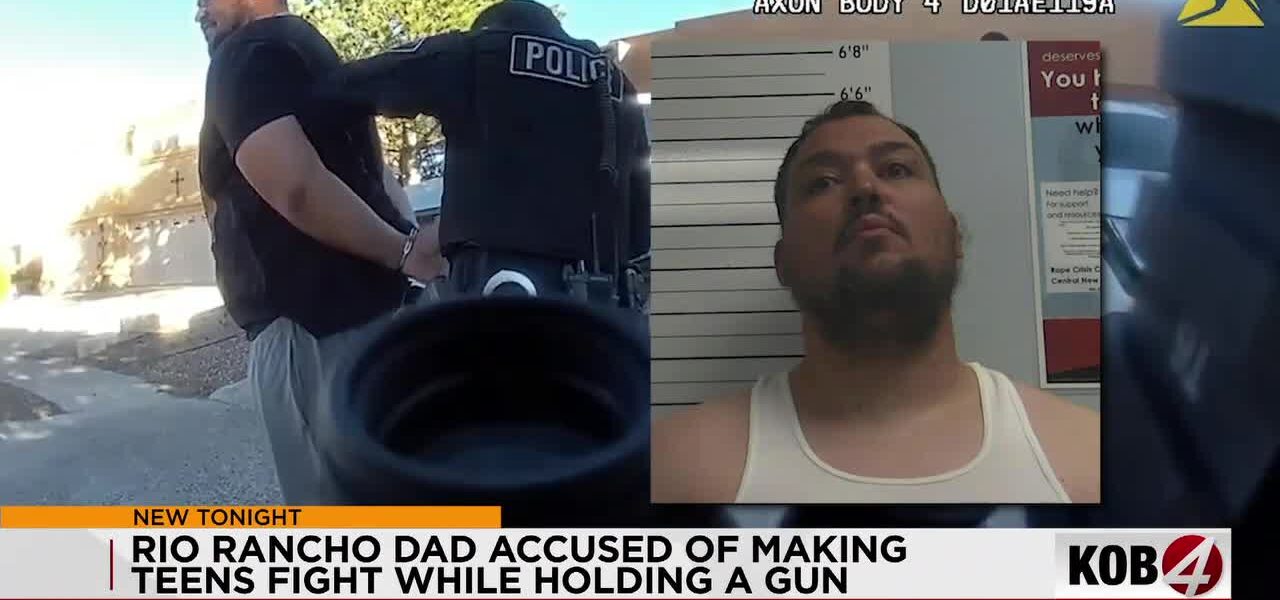
POLICY WIRE — Rio Rancho, N.M. — It’s a classic American dilemma, albeit one twisted by the frantic digital age: how does a parent respond when their kid’s got a beef? Back in the day, maybe you told ’em to punch a pillow. Perhaps you called the other kid’s folks. But David Hill, a dad in the sprawling New Mexico suburb of Rio Rancho, opted for a rather…hands-on approach. He’s now facing serious child abuse and assault charges, not because his son was in a brawl, but because Hill allegedly held four teenagers—including his own—at gunpoint and then made ’em fight it out.
It sounds like something out of a pulp fiction novel, doesn’t it? But this isn’t fiction. Police reports paint a stark picture: a disagreement among friends escalated into alleged detention by a grown man brandishing a firearm. That’s a long way from telling your kids to ‘work it out.’ And it’s not just a local peculiarity; it’s a raw nerve in the broader national conversation about personal safety, property rights, and the increasingly frayed edges of civil society. In many communities, this kind of incident shakes folks to their core, making them wonder what exactly qualifies as responsible parenting anymore, or backyard vigilantism.
Hill, identified by authorities, insists he was simply protecting his boy, citing threats his son received. He was, by his own admission, packing heat. “I tried to have them, I said empty your pockets, yes, I did have a firearm as a legal firearm owner. Did I point it at them? Never. Not once,” Hill told officers on body camera video, an account the teens involved contest vehemently. Hill added, “I think a lot of this is overkill, I understand that I had a firearm out. Again, my child was sent threats with a firearm on their phone.” But you don’t hear too many police chiefs signing off on a private citizen creating an ad hoc gladiatorial arena for teenagers.
“We understand parents’ instincts to protect their children, but our uniforms come with specific training and authority; personal firearms don’t,” remarked Rio Rancho Police Chief James P. O’Malley, emphasizing a clear line between concerned guardianship — and alleged criminal acts. “Vigilantism isn’t law enforcement. It escalates situations, plain and simple, and can—and in this case, has—led to charges far more serious than the initial squabble.” That’s a tough lesson to learn, isn’t it?
Parents of the other teens, speaking anonymously to local outlets, conveyed a profound sense of betrayal and a broken trust. They spoke of prior friendships dissolving into name-calling, the kind of messy adolescent drama that usually sorts itself out—or, if not, demands a call to school administrators, maybe even police, but certainly not armed intervention. “The individual could have called law enforcement,” one parent pleaded. “Instead he just took this into his own hands and held our kids hostage and made them victims of crime.” They just don’t have peace of mind, not with Hill walking around after being released on conditions pending his September court date.
📄 POLICY WIRE WHITEPAPER PUBLISHED: PAKISTAN'S NATIONAL SECURITY POLICY PRIORITIES
👉 READ BY CLICKING HEREAnd here’s where the data hits: A 2023 survey by the Pew Research Center found that approximately four-in-ten U.S. adults live in a household with a gun. That’s a lot of potential ‘private justice’ at arm’s length. This prevalence, coupled with increasingly volatile social dynamics—amplified through the relentless churn of digital dialogue—has implications that stretch far beyond suburban New Mexico. For many abroad, watching the unfolding drama of American life through global media, it’s a baffling display of societal stress. Take, for instance, in societies across South Asia or the Muslim world, where disputes—even serious ones—might often be first channeled through community elders or formal tribal jirgas before any resort to such immediate, personal armed confrontation. The idea of a father holding teens at gunpoint to resolve a ‘talking smack’ dispute feels utterly alien.
What This Means
This incident isn’t just a bizarre local headline; it’s a flashing red light for public policy. Economically, when a community’s sense of safety unravels, it’s a deterrent. Businesses might think twice; families might look elsewhere. Politically, the narrative gets messy. Advocates for gun rights might argue Hill was within his rights to carry, defending his family. Opponents will point to the stark misuse of that right, suggesting it enabled an incredibly dangerous, and ultimately illegal, response to a minor conflict. It begs serious questions about how readily individuals assume roles traditionally reserved for law enforcement, and what consequences ripple through the broader societal fabric when they do. It certainly doesn’t project an image of orderly civil engagement. This kind of event can fuel deeper conversations about gun safety legislation, parental responsibility, and the escalating stakes of teenage squabbles in a hyper-connected, often-armed America. You’ve got to wonder what lessons parents are *actually* teaching when disputes end like this. And because incidents like this get picked up everywhere—from local news blogs to the furthest reaches of global social feeds—they feed into international perceptions of American culture, often distorting our national dialogue, sending peculiar ripples to places as diverse as Lahore or Murree. Policy makers, then, face the unenviable task of trying to re-establish lines that—for some—have already blurred irrevocably. It’s a tough nut to crack.