
Fact Check: Robert F. Kennedy Jr.’s Claims on Arab Scientific Contributions Debunked
Policy Wire fact-check investigates Robert F. Kennedy Jr.'s controversial claims regarding Arab scientific achievements and Nobel Prize history.


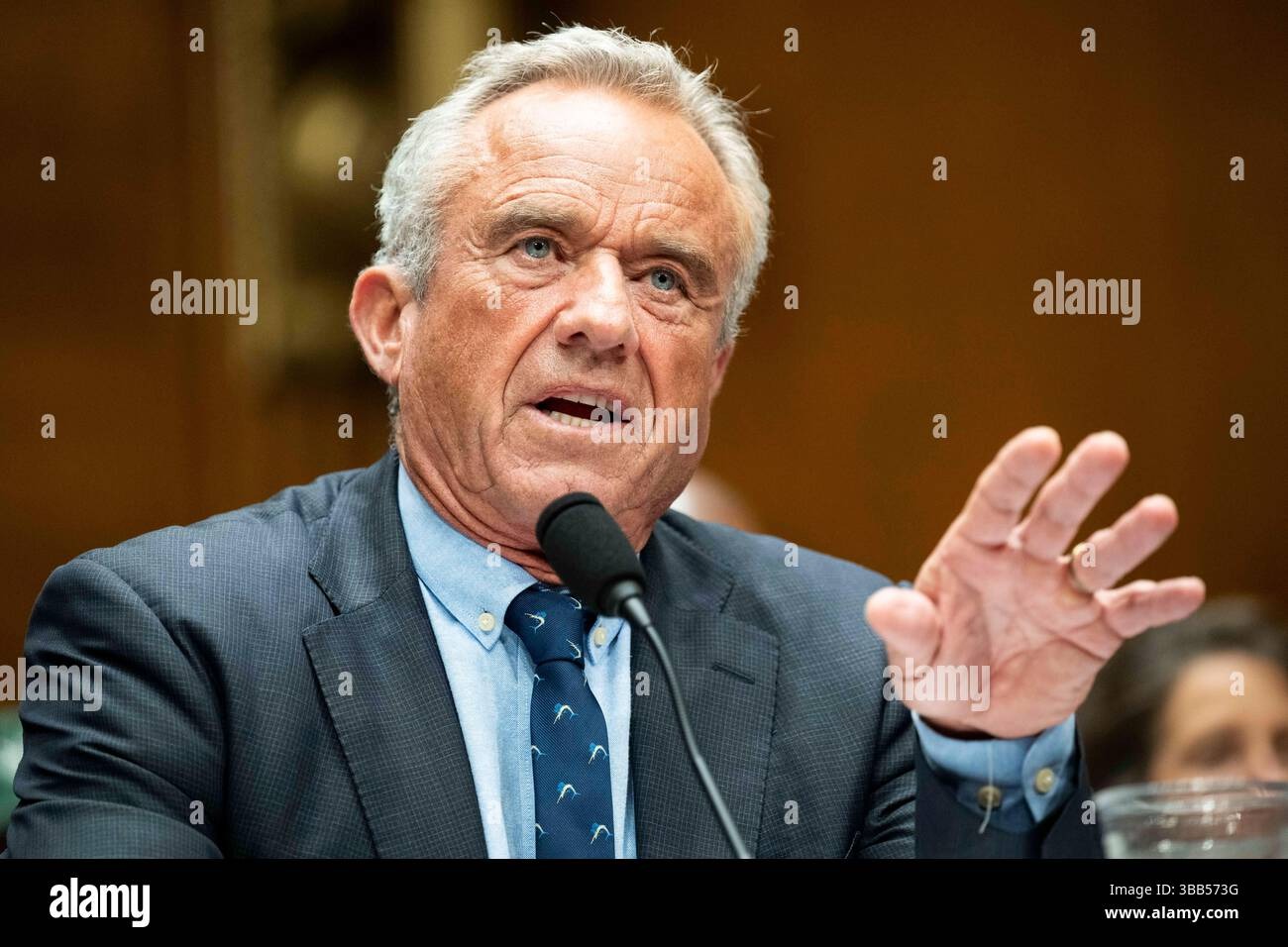
POLICY WIRE — Washington, USA — Health and Human Services Secretary Robert F. Kennedy Jr. is facing widespread backlash following remarks made at a campaign event in Grand Rapids, Michigan, where he claimed that the world’s 500 million Arabs do not produce science or win prestigious international awards.
During his appearance on the campaign trail, Kennedy asserted that Arab populations fail to secure honors such as the Nobel, Fields, or Wolf prizes, and suggested that their contributions to literature and science have been stifled by the influence of the Muslim Brotherhood. These comments, delivered in a state with a significant Arab American population, have been widely criticized as both factually incorrect and racially biased.
Historical records contradict Kennedy’s statements, as numerous individuals of Arab descent have been recognized with top global honors. Notable recipients include Egyptian-American scientist Ahmed Zewail, who won the 1999 Nobel Prize in Chemistry, and Egyptian writer Naguib Mahfouz, who received the Nobel Prize in Literature in 1988. Other laureates include Yemeni journalist Tawakkol Karman, who won the Nobel Peace Prize in 2011, and Egyptian diplomat Mohamed El Baradei, who was awarded the Nobel Peace Prize in 2005.
Dr. Peter Hotez, dean of the National School of Tropical Medicine at Baylor, publicly refuted the claims, noting that Arab scientists during the Middle Ages were instrumental in preserving the works of Aristotle, Hippocrates, and Galen, which were essential to the Renaissance. An official representative for the Department of Health and Human Services did not provide a comment when contacted by the press.
Reporting by Policy-Wire (PW)