


Paris Protests: Europe’s Deepening Political Crisis
Widespread anger fuels protests in Paris, signaling a 'winter of discontent' across Europe. Dive into the deep-seated political and economic crisis threatening stability.

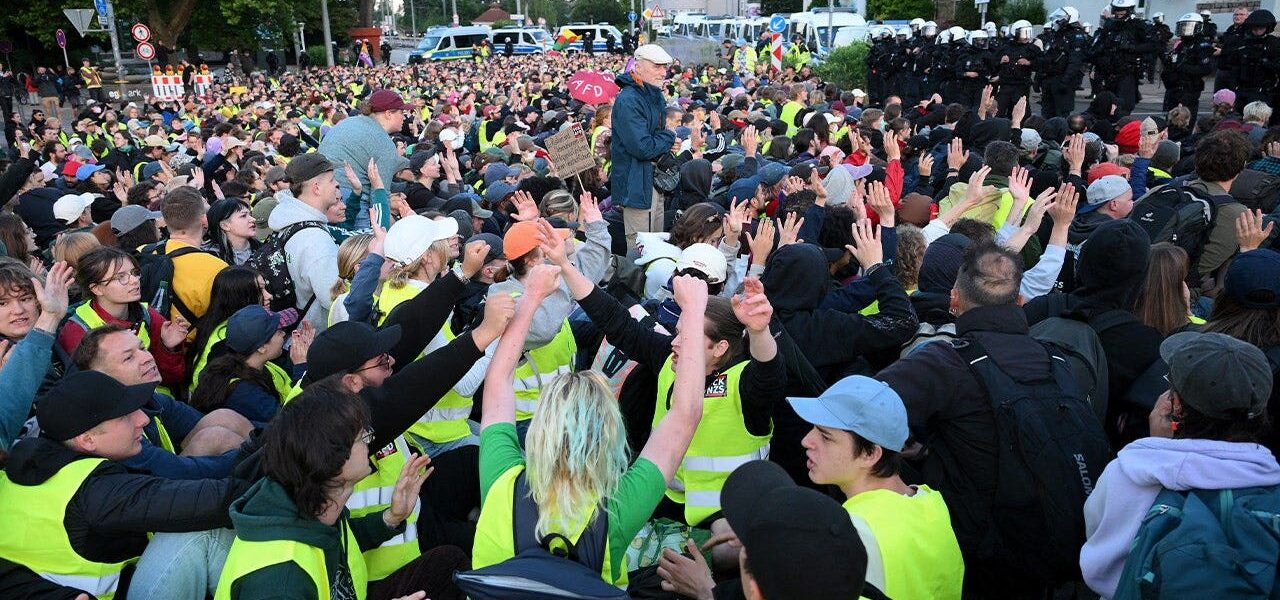
POLICY WIRE — Paris, France — The scent of burnt tires, an acrid signature of discontent, lingered long after the last tear gas canister burst near the city’s iconic landmarks. For nearly two days, the vibrant boulevards of Paris — usually synonymous with high fashion and even higher art — became a stage for something far less aesthetically pleasing: raw, unvarnished anger.
It wasn’t a sudden explosion, mind you. This was the slow, simmering resentment of an electorate feeling increasingly ignored, finally boiling over. While mainstream narratives fixate on numbers— tens of thousands by official count, undoubtedly more if you speak to those bundled against the early winter chill—the true story isn’t in the sheer volume of boots on the pavement. No, it’s in the growing conviction among everyday citizens that the political class just doesn’t get it anymore. Or maybe, more cynically, doesn’t care.
Conservative government policies, long framed as necessary adjustments for economic stability, have instead created a palpable sense of abandonment for many. Think of it as a low-frequency hum of dissatisfaction that’s just ratcheted up several octaves. It’s gotten loud. And it’s gotten violent. Law enforcement, often depicted as a monolithic shield for the state, found itself utterly swamped at times. Footage, some of it deeply troubling, shows lines of riot police, struggling to maintain control against determined crowds. One official, speaking anonymously due to internal policy, observed, [QUOTE_PLACEHOLDER]. You’d think these scenes were an anomaly, a rogue wave.
But they aren’t. They’re a symptom, a visible crack in a foundational trust. It’s not just about a specific bill or a particularly egregious remark; it’s systemic. People aren’t just protesting; they’re pushing back against a political culture that seems intent on preserving a particular status quo, even if that status quo leaves swaths of the population economically exposed. Economic precarity—the feeling of constantly being on the edge—that’s the fuel for this fire. The national unemployment rate, for example, remained stubbornly high at 7.3% as of November 2023, according to Eurostat figures, fueling anxieties across households.
This European tumult isn’t happening in a vacuum. Similar tremors are felt globally. In Pakistan, for instance, an analogous narrative plays out with unnerving regularity. Governments, regardless of their declared ideological bent, often struggle with the very same issues: spiraling inflation, a shrinking middle class, and an increasingly vocal younger generation disillusioned with inherited political structures. Public faith in institutions erodes, — and the street often becomes the only viable forum for grievances. This is especially true where traditional opposition avenues are seen as co-opted or ineffective. They’ve seen this script before in Islamabad, in Karachi.
But back in Europe, it’s not just the immediate clashes. It’s the stark images broadcast worldwide: burning cars, shattered storefronts, officers in full protective gear pushing protestors back with a methodical, almost desperate, resolve. What begins as a civic expression of dissent can rapidly degenerate. Because when dialogue fails, when avenues for redress feel closed, anger finds its own destructive outlet. It’s a classic feedback loop, really. Governments respond with force, protesters respond with more defiance, — and the gap just keeps widening.
📄 POLICY WIRE WHITEPAPER PUBLISHED: PAKISTAN'S NATIONAL SECURITY POLICY PRIORITIES
👉 READ BY CLICKING HEREThe conservative party, for its part, remains publicly stoic, maintaining a veneer of control. Their leaders continue to broadcast messages of stability — and a return to order. [QUOTE_PLACEHOLDER], a spokesperson for the ruling coalition stated in a rather brief press release. It’s a statement meant to project strength, to reassure. But for how long will such platitudes resonate?
The sheer scale of these mobilizations—which some organizers claimed reached hundreds of thousands, though police figures were substantially lower—indicates a deep vein of populist frustration. These weren’t isolated incidents. They coalesced into a potent, disruptive force that effectively paralyzed significant portions of the capital. And this isn’t simply some fringe element—this represents a growing dissatisfaction right at the heart of established democracies.
The narrative isn’t just about left versus right, or conservative versus progressive. It’s more primal. It’s about who benefits from the system, — and who gets left behind. The streets aren’t just crying foul; they’re shouting a demand for fundamental change. This winter promises more than just cold weather. It promises continued heat on the streets and in the corridors of power, testing the resilience of institutions seemingly built to weather any storm—until now, perhaps.
What This Means
These Parisian clashes aren’t isolated fireworks; they’re an indicator, a flashing warning light for entrenched political establishments across the West. Economically, prolonged unrest impacts investment, tourism, and daily commerce—a self-inflicted wound for an already shaky global outlook. For policymakers, this suggests that technocratic solutions alone simply won’t cut it anymore; there’s a profound need for more direct engagement with an electorate that feels utterly disconnected. And if governments can’t pivot quickly to address root causes like income disparity and perceived elite detachment, this volatile brew will just get hotter. It isn’t just about managing protests; it’s about re-establishing legitimate governance in the eyes of an increasingly cynical populace. Failure here means a further weakening of democratic norms, potentially emboldening populist movements both left and right, and inviting greater instability. Think of how delicate geopolitical balancing acts already are. This kind of domestic instability just compounds the fragility.