
Escalating Violence and Theft Disrupt Palestinian Olive Harvest in West Bank
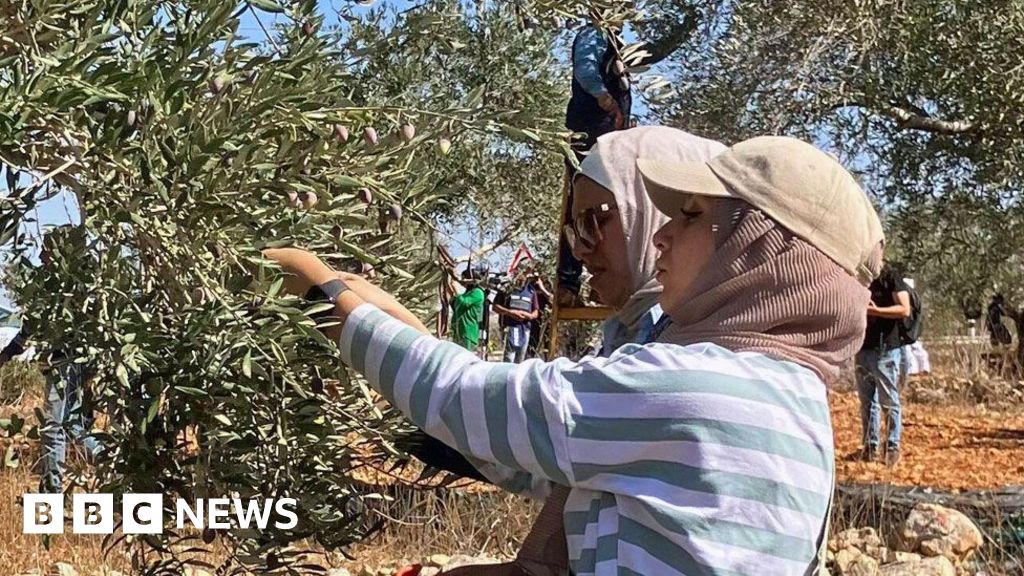
Palestinian farmers face rising settler violence and widespread crop theft during the annual olive harvest in the West Bank. UN raises urgent alarms.

POLICY WIRE — Ramallah, West Bank — Palestinian farmer Ahmed Salem described the harrowing experience of watching Israeli settlers strike his olive trees with sticks and seize his harvest, noting that he feared for his safety if he attempted to intervene.
The annual olive harvest in the occupied West Bank has been marred by a sharp increase in violence and widespread theft, according to reports from Palestinians, Israeli rights organizations, and the United Nations. These incidents have intensified significantly this year, threatening both the livelihoods of local farmers and the security of the region.
On October 16, a group of dozens of masked Israeli settlers targeted farmers near the village of Abu Falah, located northeast of Ramallah. Witnesses reported that the assailants utilized slingshots and stones, assaulted residents, and ignited olive trees during the confrontation.
Further incidents occurred on Friday, as settlers targeted at least eight Palestinian villages across the West Bank. During these attacks, vehicles and olive groves were set ablaze, and multiple residents were beaten, resulting in injuries.
Video footage captured a separate attack on Sunday in the town of Turmus Ayya, highlighting what Palestinians describe as a worsening trend of regional violence. The United Nations and various rights groups have issued warnings regarding the growing risks faced by farmers as they attempt to gather their crops.
An Israeli military official stated that the government takes criminal activity, acts of violence, and security threats very seriously. However, the official did not address specific reports of olive theft or the presence of the military during these incidents, though the military has previously uprooted trees with excavators, citing a need to prevent Palestinian attacks.
Reporting by Policy-Wire (PW)