


Ancient Bones, Modern Justice: Argentina’s Reparations Echo Global Heritage Wars
POLICY WIRE — Buenos Aires, Argentina — Sometimes, the weight of history isn’t just felt in dusty archives or scholarly tomes; it arrives in a climate-controlled crate, an artifact of ancient...

POLICY WIRE — Buenos Aires, Argentina — Sometimes, the weight of history isn’t just felt in dusty archives or scholarly tomes; it arrives in a climate-controlled crate, an artifact of ancient beliefs clashing with very contemporary sensibilities. That’s what happened this week in Argentina, though the precise timing of this particular restitution might catch some off guard. It’s not every day a society grapples with what it means to return—or, some would say, surrender—an ancestor frozen in time.
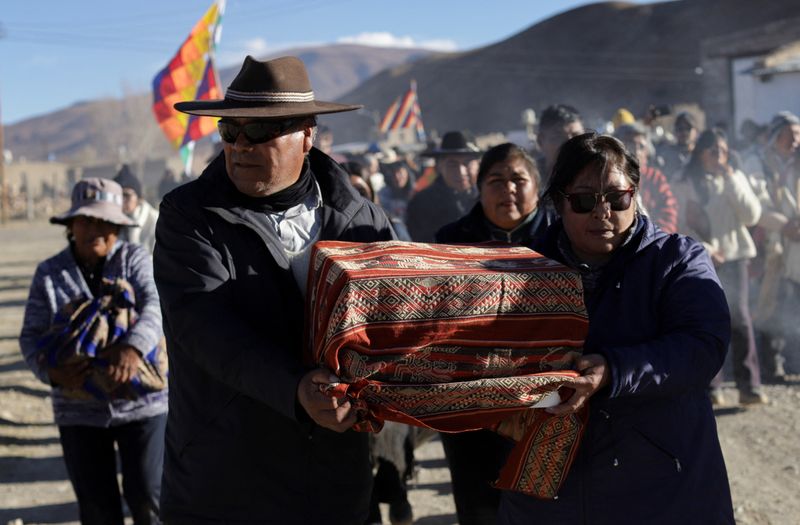
For decades, museums across the globe have served as silent, sometimes unwilling, custodians of stories that aren’t theirs to tell. We’ve seen grand institutions in Europe wrestle with pleas for art taken during colonial eras. And in places like Pakistan, calls persistently echo for artifacts housed thousands of miles from their cultural and spiritual homes. But Argentina, in a quieter, yet profoundly significant move, just handed over a remarkably preserved Inca child mummy to its indigenous roots, signaling a profound shift in how nations perceive their cultural inventory.
It wasn’t a raid on some tomb, not this time. It was a formal transfer, the kind of quiet administrative act that, for one small community, redraws the very landscape of justice. The mummy, thought to be from the Quechua people — and around 500 years old, wasn’t just some curiosity. For the Kolla community in northern Argentina, it’s ‘Ancestro del Chañar’—an ancestor. And ancestors, they’d argue, aren’t for display. They belong home. But home, for five centuries, was complicated.
This decision, quietly enacted by Argentinian authorities, hasn’t grabbed screaming headlines in major capitals, but don’t think it lacks teeth. It rips right at the heart of colonial legacies, challenging the long-held institutional norms that have dictated who gets to curate—and own—the past. Because, let’s be honest, many of these relics ended up in national collections through less-than-chivalrous means, acquired when indigenous populations had little say, if any.
“This act of returning our child, our forebear, is more than just about a body,” explained a representative of the Kolla indigenous community, who asked not to be named due to sensitive internal matters. “It’s about the acknowledgment of our identity, our beliefs, and the fundamental right to care for our own dead, in our own way, on our own land. For too long, this child was a specimen, a research subject. Now, they’re again family.”
The National Institute of Indigenous Affairs (INAI) in Argentina championed the move. Claudio Mamani, a senior official within the INAI, stated, “We’re moving beyond an antiquated view of cultural property. This isn’t some legalistic battle over ownership; it’s a moral obligation. Our nation’s history, in its entirety, demands respect for all its peoples. This repatriation is a stark and important reminder of that duty, a step toward true reconciliation.” He paused, adding, “It’s never too late to do what’s right.”
And Mamani’s right, it isn’t. The move itself shines a light on broader global trends. There’s been an observable uptick in requests for repatriation. A 2023 report by the Heritage Research Group suggested that over the last decade, formal claims for cultural restitution—from human remains to iconic artworks—have seen an annual increase of nearly 12% globally, indicating a growing assertion of cultural sovereignty. This isn’t some fringe movement; it’s got real traction.
But the road to ‘right’ isn’t always smooth. Critics, usually museum curators or art market dealers (naturally), often raise concerns about preservation, the capacity of recipient communities to adequately house delicate artifacts, and—whisper it—the potential loss of ‘universal’ access. Yet, these arguments feel increasingly out of step with a world that’s recalibrating its moral compass, prioritizing restitution over continued appropriation. It’s a reordering, really.
The Argentinian government’s quiet nod to indigenous claims here isn’t just about a mummy. It’s a statement about whose history matters, who controls the narrative, and how far former colonial powers (or nations born from colonial practices) are willing to go to address past wrongs.
What This Means
This particular repatriation sets a fascinating precedent. Economically, while this specific return won’t shake markets, it signals a deeper trend impacting the multi-billion-dollar global art and heritage sector. Major museums, particularly those heavily invested in displaying artifacts from conquered or exploited populations, will increasingly find themselves on the defensive. We’ll likely see a continued re-evaluation of collections, potentially leading to fewer, rather than more, objects on permanent display that originate from historically marginalized communities. Politically, it’s a win for indigenous rights groups, demonstrating that persistent advocacy can yield results, even centuries in the making. It empowers other marginalized communities worldwide to press their own claims. it adds to a growing international legal and ethical framework supporting cultural restitution, making it harder for institutions to simply cling to their acquisitions. For a nation like Argentina, already grappling with complex socio-economic issues, this act might seem small. But it’s actually quite big. It’s an investment in intangible cultural capital, in repairing national trust—a trust that, let’s face it, has seen better days for many indigenous groups.
The return of the Inca child won’t reverse history. It won’t bring back the thousands upon thousands who perished during conquest or colonialism. But it does—it just *does*—offer a symbolic correction. A tangible acknowledgment that some wrongs, however ancient, still have the power to demand amends in the modern age. And it seems Argentina is willing to make them, one preserved ancestor at a time.