


Dutch Apology to Malukan Community Divides Opinion: A Battle Between Symbolism and Concrete Action
POLICY WIRE — The Hague, Netherlands — A recent gesture of reconciliation by the Dutch prime minister, addressing the Malukan community within the Netherlands f...

POLICY WIRE — The Hague, Netherlands — A recent gesture of reconciliation by the Dutch prime minister, addressing the Malukan community within the Netherlands for what has been termed systemic mistreatment by the state, hasn’t landed with universal acclaim. While some segments of the community welcomed the overt remorse, others expressed a distinct preference for tangible action over mere symbolic words, indicating a deeper fissure in the path to true reconciliation. (Reporting based on wire dispatches)
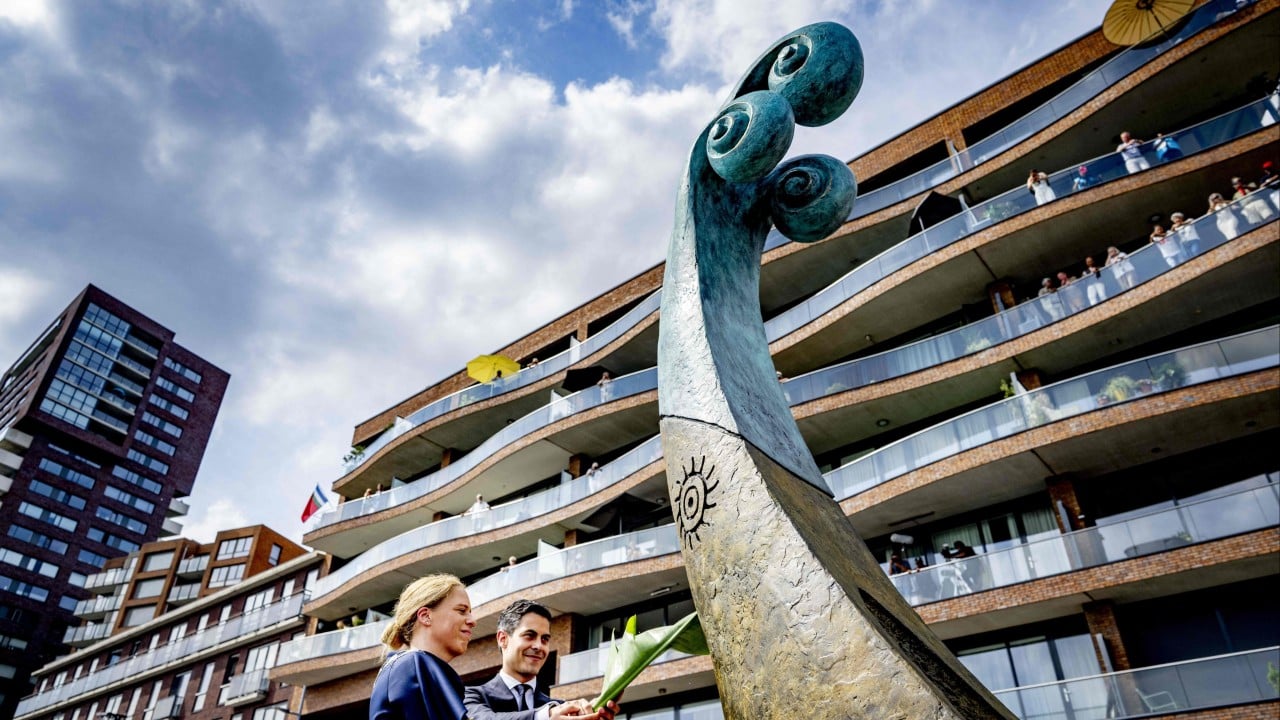
The formal apology was delivered on June 21 by Rob Jetten, who acknowledged the state’s historical mistreatment of the first generation of Malukans. These individuals, comprising a significant portion of the now 75,000-strong Malukan community in the Netherlands, arrived in Europe approximately 75 years ago, relocating from their ancestral homes in the Maluku Islands of Indonesia – a region historically renowned as the Spice Islands.
The complexities surrounding the Malukan community’s presence in the Netherlands are deeply rooted in post-colonial history. After Indonesia declared its independence from Dutch colonial rule in 1945, a tumultuous period ensued. Many Malukans, particularly those from the South Maluku Republic (RMS) movement, who had served in the Royal Netherlands East Indies Army (KNIL), were caught between loyalties. Promises of a free South Maluku state made by the Dutch never materialized. Instead, around 12,500 Malukans, many with their families, were brought to the Netherlands under the premise of temporary asylum, initially housed in former concentration camps and isolated facilities. What was supposed to be a brief stay extended indefinitely, leading to generations struggling with integration, identity, and the systemic neglect acknowledged in the apology.
The apology from the Dutch government marks a pivotal, if not entirely universally accepted, moment. For decades, the Malukan community in the Netherlands has grappled with the unfulfilled promises and the socio-economic disadvantages that often accompany the status of a diaspora community whose past has been deliberately marginalized or ignored. The ‘systemic mistreatment’ referenced by Prime Minister Jetten includes the abrupt end of their military service upon arrival, often with inadequate pensions or benefits, and the systematic suppression of their aspirations for self-determination. The initial isolation in camps and subsequent lack of clear integration policies further exacerbated feelings of alienation and injustice.
While the sentiment of remorse was appreciated by some as a necessary step towards acknowledging historical wrongs, others argue that without concrete reparations or policy changes, such words ring hollow. The request for ‘concrete action’ typically encompasses a range of demands from descendant communities affected by historical injustice: financial compensation for individuals or for community-building initiatives, the return of cultural artifacts, educational reforms to accurately reflect their history in national curricula, or even specialized support for issues like housing or healthcare that have been disproportionately affected by past policies.
The dilemma facing governments across the globe when confronting a colonial past is universal: how to meaningfully atone for historical injustices without alienating segments of the present population or creating new divisions. Apologies, while significant, are often perceived as a preliminary stage, needing to be followed by more substantial commitments to address intergenerational trauma and systemic inequalities. The Maluku Islands’ historical importance as the original source of cloves, nutmeg, and mace – pivotal to global trade and a driving force behind Dutch colonial expansion – adds another layer of complexity, intertwining the narrative of exploitation with the personal stories of migration and displacement.
What This Means
The Dutch government’s apology to the Malukan community signals a continued, albeit cautious, shift in how former colonial powers engage with their historical legacies. It reflects an evolving understanding of state responsibility for actions taken decades ago, acknowledging that historical grievances can manifest as contemporary socio-economic challenges for affected communities. The split response, however, highlights a critical distinction often present in discussions of historical reconciliation: the gap between symbolic recognition and tangible redress.
For governments, delivering an apology is a delicate balancing act. It can mend relations and foster healing, but if not perceived as genuine or sufficiently backed by policy, it risks re-traumatizing communities and hardening positions. The Malukan case illustrates that while an official apology offers a crucial opening for dialogue, its true impact will be measured by subsequent governmental actions. Will this apology serve as a precursor to more substantive policy changes, perhaps including educational initiatives, cultural preservation efforts, or forms of reparations? Or will it be viewed, in hindsight, as a performative gesture that fell short of truly addressing deep-seated injustices? The community’s ongoing demands suggest that the journey towards comprehensive reconciliation is far from complete, with many watching to see if words will indeed translate into deeds that can genuinely ameliorate the lingering effects of a colonial past.