



Diamonds & Diplomacy: America’s Soft Power, One Fastpitch Tourney at a Time
POLICY WIRE — Washington D.C. — Forget the grand pronouncements, the weighty treaties, or the clanking of economic blocs. Sometimes, to grasp the true currents of American influence, you...

POLICY WIRE — Washington D.C. — Forget the grand pronouncements, the weighty treaties, or the clanking of economic blocs. Sometimes, to grasp the true currents of American influence, you gotta zoom way in—past the gilded halls of state, straight down to a dusty field in a small town. We’re talkin’ about how the subtle drumbeat of community sports, like a fastpitch softball tournament in Watertown, South Dakota, can inadvertently telegraph a different kind of global message than what policy wonks usually chew on. It’s about showing how our very ways of play, of organized youthful competition, represent a specific facet of development — a soft power — that can ripple, however faintly, across the world map.
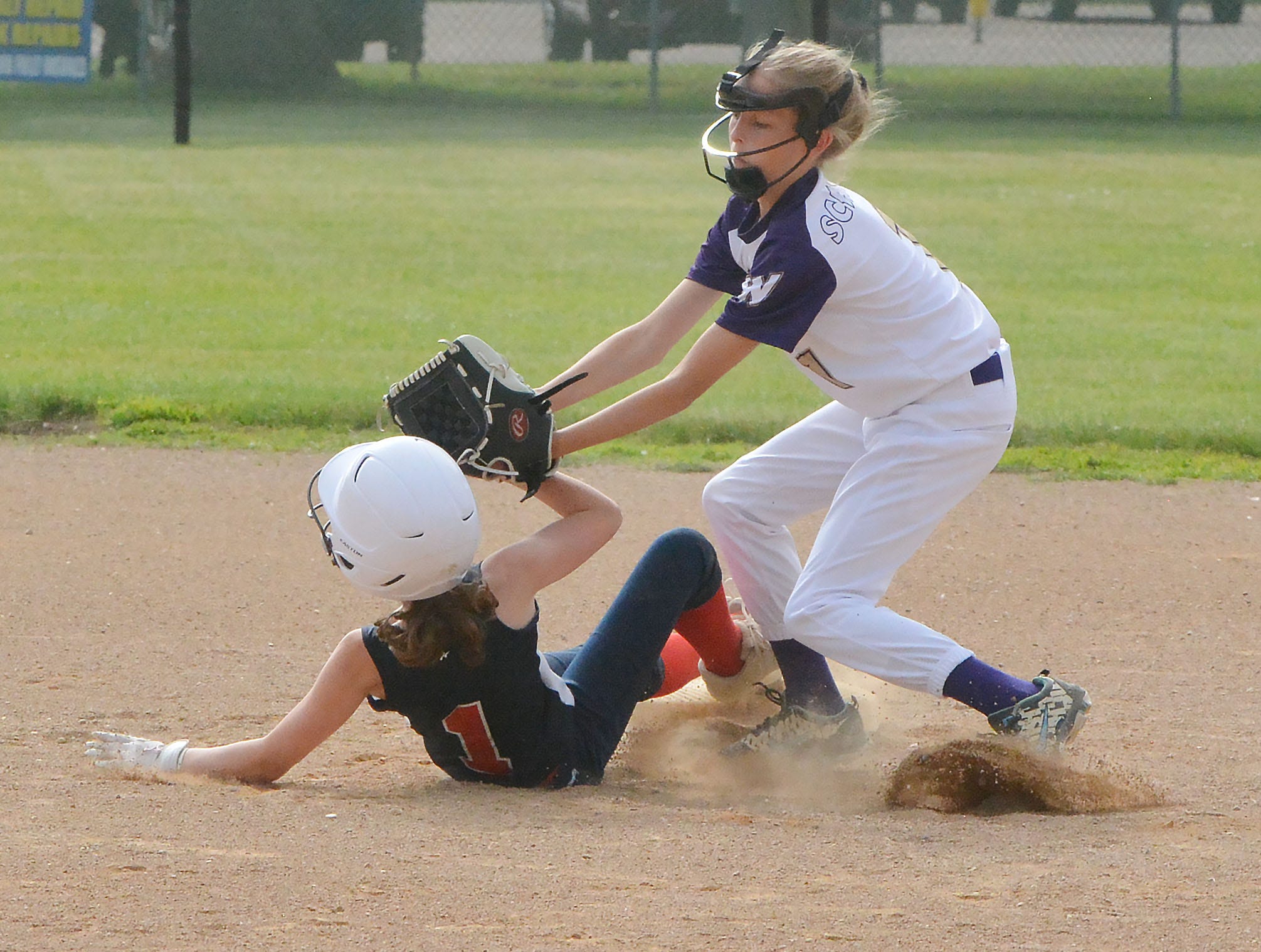
Down in Watertown, the stakes were ‘championships.’ No geopolitical crises here, just “four teams captured gold bracket championships in youth fastpitch tourney,” a seemingly trivial detail that nonetheless fuels local pride, fosters community bonds, and, you know, makes parents pretty happy. But here’s the thing: while politicians endlessly debate aid packages or drone strikes — you can read about how Kansas Senator Downplays Iran Strikes, for instance — this small-scale spectacle actually underscores a deep, perhaps underappreciated, element of societal health. And it’s an element often absent in less developed parts of the world, including, quite many Muslim-majority nations. [QUOTE_PLACEHOLDER]
It’s not just about winning or losing; it’s the sheer organizational heft behind it all. “The 2026 Premier Throwdown tournament,” they call it, a fancy name for a local competition. “The tournament featured 45 teams,” a truly impressive number for a localized event. Think about the infrastructure for a minute: fields maintained, schedules orchestrated, volunteers mobilized. The entire enterprise, running for its “10th edition of the tournament” since 2017, paints a picture of a society where leisure, youth development, and organized recreation are not afterthoughts, but built-in features. And sometimes, you gotta admit, it feels like this kinda orderly community engagement — even over a game — is the real treasure.
But consider what such seemingly commonplace opportunities — where “Teams played three pool-play games and then were placed in gold and silver brackets” — signify in a broader global context. In Pakistan, for instance, a country often grappling with resource allocation for education, healthcare, and economic stability, large-scale, well-funded youth sports leagues for girls are still very much in their nascent stages. Yes, cricket reigns supreme, but organized female participation in sports like fastpitch — requiring dedicated infrastructure, coaching, and a certain degree of cultural buy-in — faces considerable hurdles, from funding shortages to prevailing social norms.
Even though “the TSC Cyclones of Harrisburg defeated the Yankton Lakers 8-3 to win the gold bracket championship” sounds like just a sports score, it’s also a statistical data point. Forty-five teams competed. That’s forty-five groups of young people, mostly girls, getting active, learning teamwork, and building competitive spirit. According to data from the Aspen Institute’s Project Play initiative, in 2022, approximately 61% of children aged 6-12 participated in team sports annually in the U.S. This consistent participation is often missing in places where basic needs like stable power — or even political stability — remain primary concerns, like in some areas of Afghanistan or Yemen. And that’s not a judgment, just an observation about societal priorities — and their manifest outcomes.
You’ve got teams like “Yankton Lakers also closed out a 5-0 tournament” showing consistent performance, and even a dramatic “Anna Bergan’s walk-off sacrifice fly in the bottom of the fifth provided the difference for the champions” in the 16/18-and-under division. This isn’t just sport; it’s a social learning environment. They’re not just hitting balls; they’re learning resilience, strategy, and collaboration — attributes just as valuable in business or diplomacy as they’re on the field. Because — and hear me out on this one — when these opportunities aren’t readily available for a significant portion of a population, particularly its youth, that nation can’t fully develop its human capital, irrespective of other resource endowments. It’s a missed investment.
The micro-economics alone are worth considering. This single tournament, held at the Koch Complex, brings families to Watertown, filling hotels, diners, and gas stations for a weekend. The economic ripple, though small compared to, say, a major trade deal, is nonetheless real. It’s grassroots commerce, fueled by enthusiasm — and community spirit. Think of what replicating such events on a widespread, organized basis could do for the local economies in nations yearning for development — how it could provide purpose and opportunity where little currently exists. But it takes stable institutions, secure environments, — and a prioritization of social well-being.
What This Means
At first blush, a youth softball tournament — “Four teams captured gold bracket championships” — seems far removed from policy analysis. But here’s the quiet reality: the sheer logistical complexity and social capital required to consistently stage such events speak volumes about the underlying health and priorities of a society. This kind of organized recreation for young people, especially girls, serves as a soft-power export. It models values of teamwork, healthy competition, gender inclusion, — and structured leisure. When U.S. diplomats or aid workers engage with developing nations, particularly in the Muslim world where female participation in sports can face cultural and infrastructure barriers, highlighting these seemingly trivial events can be more powerful than a dozen policy papers.
Economically, it’s a micro-engine of local commerce, drawing families and their dollars — an informal but real boost to regional businesses. Its absence in other parts of the world represents a void, not just in recreation, but in opportunities for entrepreneurship, social cohesion, and individual growth. The capacity to simply organize and sustain “the 10th edition of the tournament” — and for that matter, all “seven Watertown teams [that] competed in the tourney” — represents a baseline of social order and prosperity that many global communities are still striving to achieve. It’s a reminder that sometimes the biggest lessons aren’t found in capitals, but on ball fields. We should always keep an eye on these quiet displays of capability.
