


Denim’s Silent Revolution: China’s Bid to Reconfigure Global Trade, One Pair of Jeans at a Time
POLICY WIRE — Hangzhou, China — Nobody pays much mind to denim. It’s just, well, denim. Billions of pairs of jeans stitched up, shipped out, worn ragged, then eventually discarded. But a...

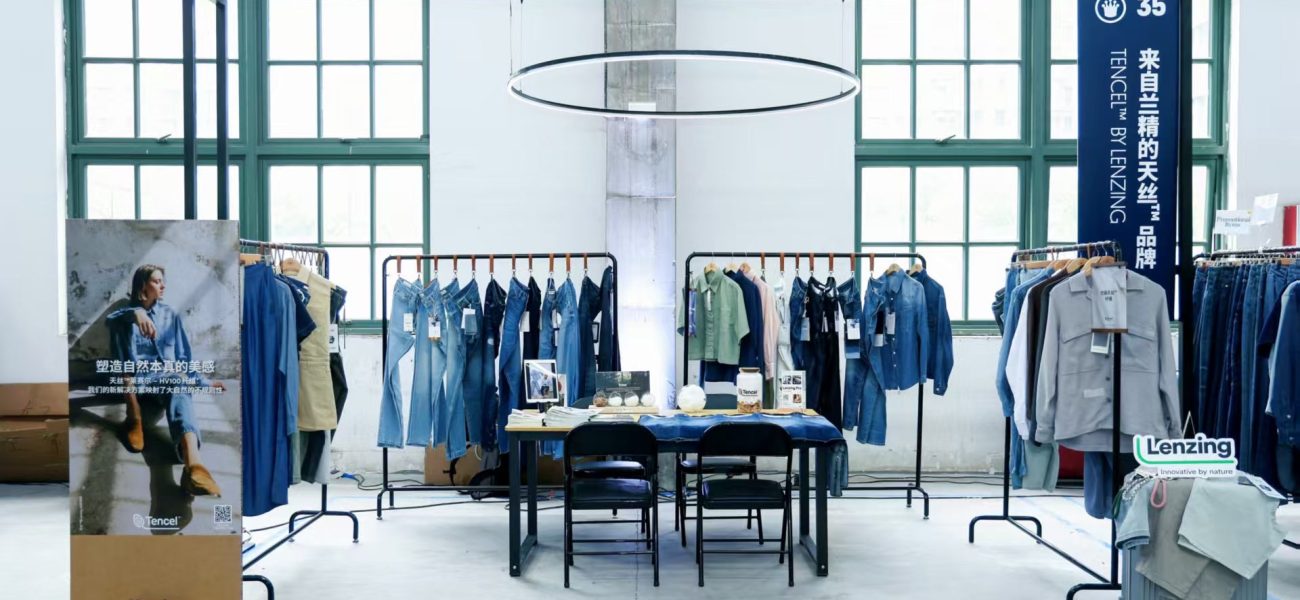
POLICY WIRE — Hangzhou, China — Nobody pays much mind to denim. It’s just, well, denim. Billions of pairs of jeans stitched up, shipped out, worn ragged, then eventually discarded. But a recent industry gathering in Hangzhou, featuring the familiar moniker of ‘Kingpins,’ offered more than just the usual bolts of fabric and futuristic washes. It wasn’t simply another trade show; it was a quietly aggressive statement on China’s evolving place in the world economy, a signal that even in the most prosaic of products, Beijing is redrawing the map.
For years, China operated as the unchallenged global factory floor, pumping out goods for Western markets. They made it; we bought it. Simple economics, really. But the Hangzhou event, which ‘bridged’ business-to-business (B2B) connections with a burgeoning direct-to-consumer (B2C) model, tells a different tale. It points to a deliberate internal pivot, a cultivation of a vast domestic market right alongside the entrenched export machinery. It’s an economic self-reliance play, masked under the guise of fashion innovation.
And let’s not kid ourselves, the stakes here aren’t merely about who gets the latest skinny-fit. China’s textile industry, encompassing everything from yarn to finished apparel, represents an astounding chunk of its export might. In 2022 alone, the global denim market was valued north of $70 billion, with China maintaining its dominance in both production and export volume, according to figures compiled by market research firm Statista. It’s a financial juggernaut, not just a bunch of textile mills. This move towards B2C on home turf signals a confidence — or perhaps a necessity — in its own burgeoning middle class as the ultimate end-user, not just an intermediate link in a global supply chain.
Because why let Western retailers skim all the profit when you can go straight to your own consumer? That’s the unwritten motto now, isn’t it? Manufacturers, traditionally comfortable dealing in enormous wholesale orders, are now keenly eyeing direct sales channels. It’s a tectonic shift, one that traditional suppliers in places like Pakistan, Turkey, and Bangladesh — often China’s competitive neighbors in the global textile arena — can’t ignore. These nations have long relied on their export prowess, but if China tightens its internal loop and becomes less dependent on external demand for *its* manufactures, what happens then? It raises questions about market access — and competition, not just for finished goods, but for the raw materials, too.
“This isn’t just about selling more jeans; it’s about controlling the narrative of quality and trend within our own borders,” observed Mei Ling, a seasoned trade official with China’s Ministry of Commerce. “We’re empowering our brands, reducing reliance on volatile external markets, and giving our domestic consumer the choices they deserve. It’s economic sovereignty, fundamentally.”
📄 POLICY WIRE WHITEPAPER PUBLISHED: PAKISTAN'S NATIONAL SECURITY POLICY PRIORITIES
👉 READ BY CLICKING HEREAnd she’s not wrong. It’s a move designed to buffer against global economic headwinds, from trade disputes to shifting consumer tastes abroad. “The old model — ‘made in China, sold to the world’ — is being supplemented by a robust ‘made in China, sold *in* China’ philosophy,” noted David Chen, an independent analyst specializing in Asian markets. “That takes strategic long-term thinking, a commitment to quality control and brand building on a scale previously unconsidered by many Chinese manufacturers. It’s a play for the ages.” A new game, certainly.
What This Means
This subtle but significant maneuver in Hangzhou holds political and economic ramifications far beyond the textile industry. Economically, it signifies Beijing’s serious push towards an internal demand-driven growth model, a move intended to de-risk its economy from external shocks and deepen its own massive consumer base. It implies further investment in domestic branding, logistics, and direct marketing infrastructure, effectively closing the loop from production to consumption entirely within China’s purview where possible. Politically, this signals a form of soft economic power projection. By refining its internal market mechanisms and fostering domestic brands, China is not only securing its own economic future but also subtly shifting global manufacturing dependencies. It challenges other manufacturing hubs — particularly those in South Asia with strong textile sectors — to innovate or risk losing further ground, not necessarily in export markets (yet), but in the fundamental competitiveness of their supply chains and their ability to command their own narratives against a Chinese behemoth that can now both produce *and* consume at unparalleled scale. It forces a recalibration of international trade strategies across multiple sectors.