


Deep-Sea Marine Life Populations Plummeted Following BP Oil Spill, Study Reveals
A new study reveals a 60% decline in Gulf of Mexico marine life following the 2010 BP oil spill, highlighting long-term ecological damage in the twilight zone.

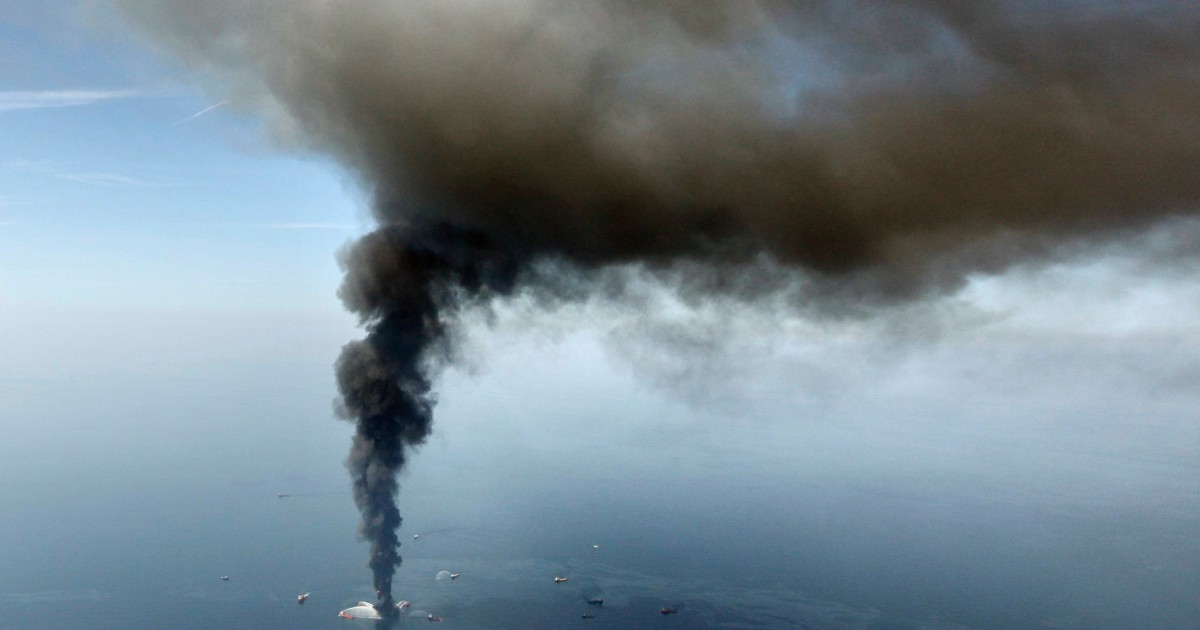
POLICY WIRE — Washington, D.C. — A significant portion of the Gulf of Mexico experienced a roughly 60% reduction in marine animal populations in the years following the 2010 Deepwater Horizon disaster, according to research published Monday in the journal PNAS.
The study focused on the ocean’s twilight zone, a vast region between the surface and the seafloor. Data indicated that fish populations in this area dropped by 63.5% between 2011 and 2015, while crustaceans like shrimp and krill declined by 62%. Larger species, including octopuses and squid, saw a 59.7% reduction.
Tracey Sutton, a biological oceanographer at Nova Southeastern University and the study’s lead author, noted that these populations have shown little sign of recovery. Researchers utilized nets, acoustic sonar, and genetic analysis to track the decline, finding that species were suffering from reduced genetic diversity due to inbreeding.
Sutton explained that while they could not prove an absolute causal link, the timing and the elimination of other environmental variables—such as temperature, oxygen levels, and food supply—point to the oil spill as the primary driver. The explosion, which claimed the lives of 11 workers, resulted in nearly five months of leaking oil and gas that contaminated the eggs of surviving marine life.
BP spokesperson Paul Takahashi stated that the accident forever changed the company and emphasized that they have implemented numerous changes to prevent similar events in the future. Meanwhile, chemical oceanographer Isabel Romero noted that both the oil and the chemical dispersants used during cleanup contributed to the harm, with dispersants increasing the exposure of deep-water animals to toxic oil droplets.
The research highlighted the interconnected nature of the Gulf ecosystem, where species move vertically between depths. Experts like Boris Worm of Dalhousie University and Kaitlin Frasier of the Scripps Institution of Oceanography emphasized that the findings serve as a stark warning regarding the potential impacts of deep-sea mining and expanded offshore drilling.
Reporting by Policy-Wire (PW)