

Dearborn Mall Shooting: Gun Violence & Community Impact
Two lives lost in a deadly shooting at Dearborn's Fairlane Mall. This tragedy highlights America's gun dilemma, community strain, and the future of retail safety.

POLICY WIRE — DEARBORN, Michigan — For a city often lauded as a nexus of cultures, a place where tradition and modernity blend, the usual hum of a Friday evening got torn to shreds. It wasn’t some grand geopolitical upheaval that shattered the calm. Nope, it was a street feud—personal, petty, then deadly—exploding right there in a massive retail space that draws families from across Southeast Michigan and beyond.
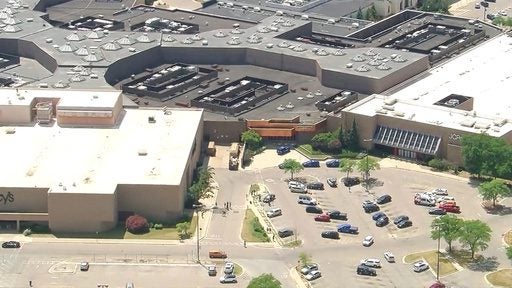
It’s a peculiar kind of American tragedy, isn’t it? The prosaic backdrop of consumerism suddenly morphing into a bloody tableau. Folks were just, you know, shopping. Grabbing dinner. Maybe even enjoying a film. Then a gun battle erupted at Fairlane Town Center, costing two young lives and injuring a third. Not the typical Friday night entertainment. You’d think the worst thing a patron might face is sticker shock, but not anymore. Dearborn Police Chief Issa Shahin cut straight to it: it was no random ambush. This wasn’t a wild card. [QUOTE_PLACEHOLDER] he noted. Which means this whole mess, tragically, was quite deliberate, despite its public locale.
Panic became the new special of the day. A video posted to social media appeared to show people running from the shopping center after gunshots could be heard. Imagine the terror—the sound, the sudden scramble, the instinctive human need to just… escape. Someone, in their desperate sprint to safety, ended up hit by a car outside. Talk about adding insult to injury. The police moved swiftly, of course, evacuating the entire sprawling complex that boasts more than 125 stores and restaurants
, effectively shutting down a significant artery of the local economy and social life.
Dearborn, sitting just 9 miles (15 kilometers) west of Detroit
, isn’t some backwater. It’s got a population of more than 100,000 people
, and a distinct, vibrant identity, particularly recognized for its large Arab-American community. The implications of this kind of violence ripple through this tightly knit fabric differently, sometimes. For many in the Muslim diaspora here—those who perhaps sought stability and peace from tumultuous homelands—this American strain of public, brazen violence hits different. It challenges the very promise of safe harbor. There’s a subtle but palpable anxiety that arises when domestic squabbles turn deadly in shared, public spaces. And then there’s the perception: are they just replicating the conflicts they left behind, or is this the bitter fruit of an imported culture of violence? It’s a cruel question, but one that simmers beneath the surface whenever such events mar a community’s peace.
And those guns? Chief Shahin confirmed what many probably feared: [QUOTE_PLACEHOLDER] No big surprise there, I guess, in a nation where firearms seem to sprout like weeds after a spring rain. According to a 2022 survey from the Small Arms Survey, a staggering 393 million firearms were privately owned in the United States, far outpacing the human population. It’s a statistic that makes scenes like this not just plausible, but depressingly probable.
Michigan State Police rolled in to lend a hand, because when a mall in a city of this size becomes a crime scene, it’s not a solo act for local cops. But while some were questioned, no immediate arrests materialized. That kind of loose end—it hangs heavy over a community.
📄 POLICY WIRE WHITEPAPER PUBLISHED: PAKISTAN'S NATIONAL SECURITY POLICY PRIORITIES
👉 READ BY CLICKING HEREWhat This Means
This incident, far from being just another grim news item, underscores several uncomfortable truths. Economically, these sorts of events are a nail in the coffin for brick-and-mortar retail, accelerating the flight to online shopping. Who, after all, wants to risk their life for a sale? This makes a place like Fairlane Town Center—already contending with changing retail landscapes—even more precarious. It’s about more than sales figures; it’s about perceived safety, an intangible yet profoundly impactful currency in commerce. If people don’t feel safe, they don’t shop there. Simple as that.
Politically, the reverberations extend to ongoing debates over gun control, public safety initiatives, and urban planning. For Dearborn, a city with a robust — and vocal immigrant population, there’s an added layer of social strain. It brings into focus the challenges of integrating diverse communities while grappling with issues common to many American cities—youth violence, access to firearms, and the ever-present threat of a trivial disagreement spiraling into carnage. You’ve got to wonder what civic leaders can do when the danger seems to stem from internal, pre-existing beefs rather than external threats.
But beyond the policy-speak, there’s the human element. The fear. The lasting trauma. One of the victims died inside Fairlane Town Center — and the other died at a nearby hospital
. Two families shattered. Because some young folks, apparently unable to hash out their differences like reasonable adults, opted instead for firepower in a public place. It’s a somber reminder that the policies we endlessly debate — the efficacy of gun laws, the investment in youth programs, the very texture of community policing — they all eventually crash down on individuals, in places they thought were safe.