


GOP’s Dallas Gamble: Trump’s Midterm Strategy Unveiled
POLICY WIRE dissects the GOP's Dallas convention: a Trump-backed midterm gamble to energize voters. Discover the stakes, controversies, and political fallout.

POLICY WIRE — Washington D.C. — It’s a classic move in a game that never really stops: when the electoral scoreboard looks less than stellar, you throw a big, expensive party. So it goes in American politics. The recent unveiling of an extraordinary Republican National Convention, slated for September 9 and 10 in Dallas, isn’t merely a logistical note on the political calendar. No, it’s a full-throated roar into a howling wind—a high-stakes gamble to rewrite the rules of midterm engagement.
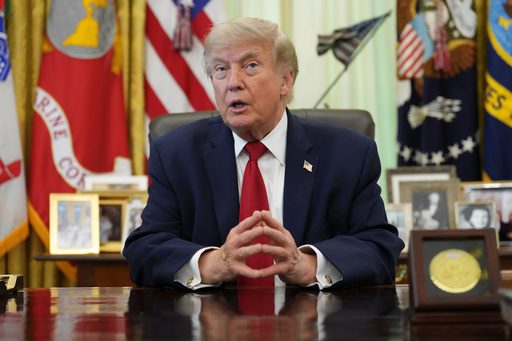
It’s no secret President Donald Trump loves a good rally. His Tuesday announcement for a national convention—a first-ever national convention ahead of November’s midterm elections—pulls the curtain back on a GOP establishment grappling with the cold reality of American electoral cycles. Midterms, for the party in the White House, are often a brutal reckoning. History, that unyielding arbiter, tends to show a power loss, not a gain. And with only slim majorities in Congress, the margin for error feels razor thin. [QUOTE_PLACEHOLDER]
Because there’s no presidential election driving turnout this cycle, the concern among Republican strategists is palpable: how do you get your folks off the couch? Without that top-of-the-ticket energy, it’s tough to galvanize their voters. So, enter the convention. It’s a tactic, surely, to juice enthusiasm, perhaps even a defiant show of force to obscure anxieties over an underwater approval rating. This whole concept, we’re told, isn’t new to Trump; he’s been talking about it since last year. The goal, ostensibly, is to use the event to show the great things we have done since the Presidential Election of 2024.
Dallas, of course, is no random pick. Positioning the gathering in the Lone Star State puts a glaring spotlight on a particularly ugly Senate race there. It’s James Talarico, the Democrat, versus Ken Paxton, the Republican. Paxton’s a local lightning rod, the state attorney general who—with the blessing of Trump, no less—took down a political veteran, Senator John Cornyn, in a primary fight earlier in the year. But here’s the kicker: Republican Senate leadership, the folks charged with holding the line, aren’t exactly thrilled with Paxton’s baggage. This includes an extramarital affair, an impeachment and a securities fraud case that didn’t lead to a conviction. These aren’t mere footnotes, are they? Such scandal potential could flip a winnable race into a drain on party resources, a truly dreadful outcome for anyone managing a campaign war chest. But hey, it also reminds us of that post-2024 push for redistricting, ensuring Texas—and presumably elsewhere—stayed safely Republican territory. Every gambit has its costs. And its unforeseen consequences.
Across the aisle, Democrats, for their part, scoff. They see this splashy affair as an open goal, a chance to effectively tie Republican House and Senate candidates to Trump. They had toyed with the idea of a similar convention themselves, a throwback to the 70s and 80s when such events weren’t quite so anachronistic. But prudence prevailed, or perhaps poverty did. The Democratic National Committee, struggling with lackluster fundraising and millions in debt, simply couldn’t justify an expensive soiree. Some decisions aren’t about strategy, they’re about arithmetic. And the numbers, for the DNC, didn’t add up this time.
📄 POLICY WIRE WHITEPAPER PUBLISHED: PAKISTAN'S NATIONAL SECURITY POLICY PRIORITIES
👉 READ BY CLICKING HEREThis whole spectacle feels very much a product of its time—a modern political machine, hungry for attention, battling dwindling engagement and persistent skepticism. It’s less about policy debates, frankly, — and more about the raw mechanics of turnout. As Trump put it: It will be a RALLY like none other! We’ll see. You often get what you ask for.
What This Means
This midterm convention isn’t some harmless partisan jamboree; it’s a direct response to a fundamental fragility within the Republican coalition—the reliance on one figure to mobilize the base. If Democrats gain ground, particularly in the House, we’ll see a profound shift, enabling them to block Trump’s agenda and launch investigations into his administration for the final two years of his term. This isn’t mere legislative wrangling; it’s a return to congressional oversight with teeth, altering the policy landscape dramatically for any outgoing administration. For international observers, especially those in allied nations or pivotal regions like South Asia, America’s internal political jostling has real consequences. Imagine, for a moment, the strategic headaches a sudden reversal in U.S. foreign policy could cause for a country like Pakistan, for instance, where stability and alliances often hinge on the consistency—or perceived consistency—of Washington’s posture. Changes in U.S. congressional dynamics could very well translate into shifts in foreign aid, defense agreements, or even the rhetoric surrounding regional conflicts. And in a globalized economy, heightened political uncertainty in the world’s largest market seldom bodes well for developing nations, regardless of their geopolitical alignment. Economic tremors originating from Washington have a knack for reverberating across continents, often hitting emerging markets hardest. This isn’t just about holding congressional seats; it’s about shaping narratives and ultimately, future policy, both domestically and abroad.