

Critical U.S. Rivers Identified for Protection Amid Climate Threats
New study reveals which U.S. rivers need urgent protection from climate change impacts, highlighting vulnerable and resilient waterways.

POLICY WIRE — Washington, D.C. — A new map has identified the most critical American rivers that require immediate attention and conservation efforts as climate change continues to threaten aquatic ecosystems.
The analysis, conducted by The Nature Conservancy, shows that three-quarters of U.S. rivers could face biodiversity loss due to rising temperatures, extreme weather events, and altered water systems. Only 6% of these waterways are currently in good condition, with 14% needing significant restoration, according to a September report.
Researchers found that a third of U.S. rivers have above-average resilience to human-induced climate changes, particularly those in the Pacific Coast, Great Lakes region, and parts of the Southeast. However, many of these areas still require restoration work. In contrast, 15% of river networks show low resilience, especially in the Southwest, Midwest, and parts of New England.
Scientists evaluated river health based on factors like connectivity, water quality, land conditions, and flow stability. Mary Khoury, a freshwater ecologist at The Nature Conservancy, emphasized that the map provides a clear guide for protecting the most viable habitats for aquatic life. This is the first time we can point to a map and say these are the rivers most capable of sustaining diversity, she said.
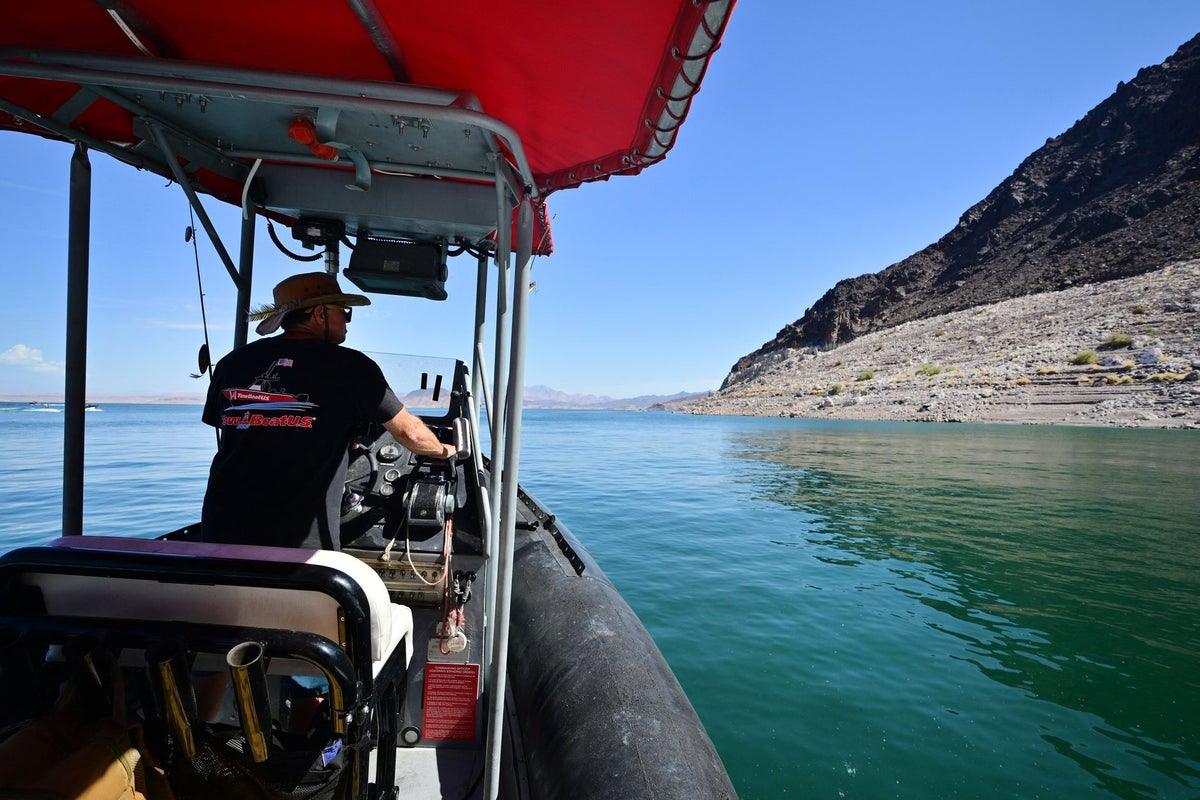
The research, which analyzed 5.2 million miles of rivers and streams across the lower 48 states, also highlighted the impact of climate change on water quality, including toxic algal blooms and declining reservoir levels. Lake Mead and Lake Powell, two of the nation’s largest reservoirs, have reached record lows this summer due to prolonged drought and rising temperatures.
Reporting by Policy-Wire (PW)