


Cricket’s New Order: Teen Prodigy Vaibhav Sooryavanshi Redraws Sporting Cartography
POLICY WIRE — New Delhi, India — Forget the neatly delineated boundaries of sporting orthodoxy; a 15-year-old from India has taken a sledgehammer to them. His name is Vaibhav Sooryavanshi, — and his...

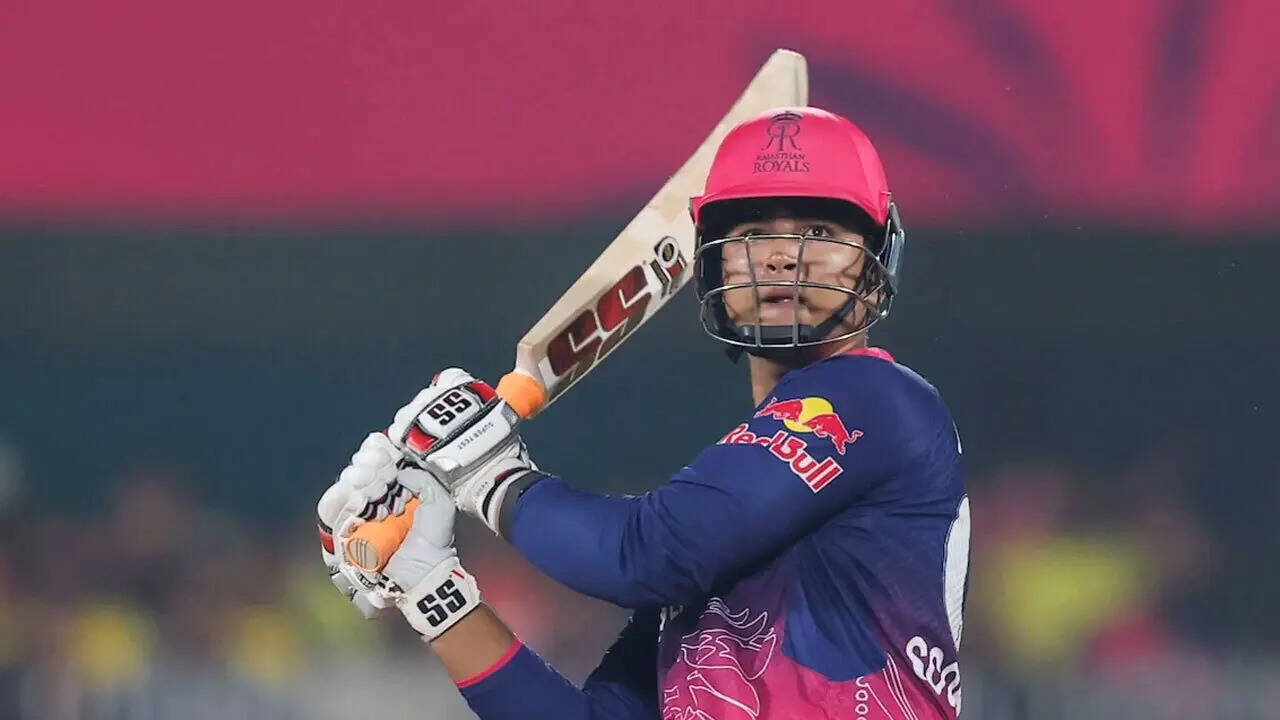
POLICY WIRE — New Delhi, India — Forget the neatly delineated boundaries of sporting orthodoxy; a 15-year-old from India has taken a sledgehammer to them. His name is Vaibhav Sooryavanshi, — and his recent cricketing campaign wasn’t just a streak of brilliance. It was a categorical insurrection, a violent re-education for every seasoned bowler who thought they understood the game’s grammar.
It’s not often you see established norms shattered, but Sooryavanshi, fresh off his Indian Premier League (IPL) breakout and a subsequent run in age-group international circuits, didn’t just step onto the stage; he commandeered it. His second IPL outing saw him amass an eye-watering 776 runs at an average of 48.50, striking at a frankly preposterous 237.30. He didn’t just hit a few sixes; his 72 maximums eclipsing even Chris Gayle’s long-held record in a single season. The kid didn’t make his Rajasthan Royals team win the whole thing, but he definitely stole the show, collecting five major individual awards at the Narendra Modi Stadium — the whole caboodle, if you will, including the coveted Orange Cap and Most Valuable Player trophy.
But here’s the kicker: less than a week later, with the sheen of those awards barely worn, the Board of Control for Cricket in India (BCCI) announced his call-up to the senior national squad for T20 Internationals against Ireland and England. A 15-year-old in India’s top flight. It’s got folks wondering if we’re witnessing another Sachin Tendulkar moment—that kind of early entry, that kind of impossible expectation. And it’s not just about historical parallels; it’s about a complete re-evaluation of how elite talent is identified and fast-tracked in the hyper-competitive world of Indian sport.
Many critics worried, understandably, about the immense pressure on such young shoulders. But his coach, Zubin Bharucha, paints a picture of a player fundamentally changing batting dynamics. “Sooryavanshi is changing what length means in the modern game,” Bharucha told a sports outlet. “His strike rate against length balls this season is 240+, while others operate closer to 140+ against the same delivery.” He credits a “superbly coiled upper half” and an unconventional torso bend, which lets Sooryavanshi attack deliveries most batters would consider unhittable, placing his head outside the line and operating—almost unbelievably—on a single, weighted back leg. This isn’t just good batting; it’s physics-defying.
Because of this radical technique, bowlers are truly flummoxed. Former Australian captain Pat Cummins, among others, admitted they were just ‘running out of ideas’ on where to bowl to him. The numbers bear that out: 657 of his 776 IPL runs—that’s an astonishing 84.66%—came against right-arm bowlers, the most common type, according to official IPL match data. You just don’t see that kind of disproportionate dominance every day. And it’s sparked conversations far beyond the stadium.
“We’re witnessing a paradigm shift,” remarked Rajeev Shukla, a senior BCCI official known for his guarded optimism. “This isn’t merely about an individual’s talent; it’s a reflection of the evolving investment in youth academies and scouting across our nation. Every time a prodigy like Vaibhav emerges, it tells other aspiring young athletes—from Karachi to Colombo, not just here in India—that the dream isn’t just possible, it’s closer than they imagine. But we also have to shield them, you know? It’s a delicate balance of nurture and demand.” Shukla’s observation hints at the regional reverberations, where every Pakistani or Bangladeshi child, just like their Indian counterpart, now gazes at Sooryavanshi’s success as a benchmark for their own aspirations.
And it’s a success built on punishing virtually every length — and speed. Short balls? Thrashed. Full deliveries? They also copped a beating, scoring at a mind-boggling strike rate of 304.54 against them. Oddly, only yorkers and full tosses seemed to offer the barest respite—a tiny statistical anomaly in an otherwise impenetrable scoring record. But then, every hero needs a weakness, however microscopic. Don’t they?
What This Means
The meteoric rise of Vaibhav Sooryavanshi isn’t just a sports story; it’s a political and economic one, with implications stretching far beyond the cricket pitch. For India, this isn’t just about a potential new superstar; it’s about soft power, national brand building, and the very visible returns on investments in youth development. When a 15-year-old garners global headlines for his athletic prowess, it projects an image of a dynamic, youthful nation fostering world-class talent—an asset for diplomacy, tourism, and foreign investment. This phenom embodies a rising India capable of dominating not just technology or finance, but also culture and sport on the global stage. It validates significant public — and private sector funding poured into cricket infrastructure over decades. Because make no mistake, this kind of talent, expertly marketed, turns into massive economic throughput, generating advertising revenue, sponsorship deals, and boosting local economies through stadium attendance and merchandising.
Across South Asia, particularly in nations like Pakistan, where cricket is an equal religion but talent pipelines face different challenges, Sooryavanshi’s emergence intensifies internal pressure on sports ministries and governing bodies. It creates a competitive benchmark. Can these nations replicate India’s success in unearthing — and nurturing such raw talent? This competitive sporting narrative frequently intertwines with geopolitical currents, becoming a proxy battleground for national pride and perceived progress. It signals that nations that prioritize—and can afford—robust sports ecosystems will increasingly shape the international sporting landscape, with long-term dividends that aren’t just measured in trophies, but in geopolitical standing. This isn’t just cricket; it’s statecraft by other means, broadcast in real-time to billions.
So, the challenge now isn’t just for opposing bowlers to find an answer to Sooryavanshi. It’s for the institutions managing his career, for the policy makers in New Delhi, and for rival nations across the subcontinent: how do you manage such an explosive talent without stifling it, and how do you harness that energy for a nation’s broader ambitions?