

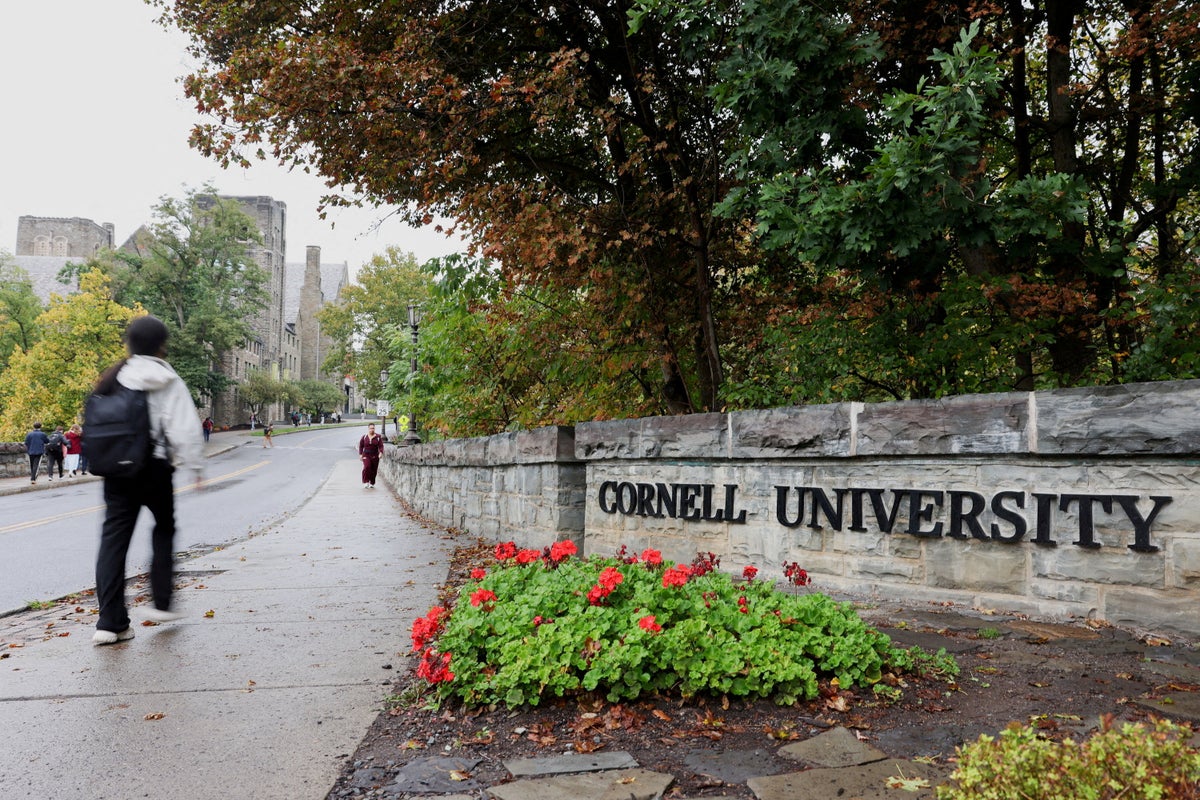
Cornell President Michael Kotlikoff Refuses to Resign After Admitting Knowledge of 2024 Gang-Rape Allegation
Cornell President Michael Kotlikoff admits knowing about a 2024 student gang-rape report but refuses to resign amid campus protests and lawsuits.

POLICY WIRE — Ithaca, United States — Cornell University President Michael Kotlikoff acknowledged that he was aware a student reported being gang-raped at a campus fraternity in 2024, yet he never followed up on the matter.
In an interview with The New York Times, Kotlikoff admitted he failed to check whether any of the accused individuals faced punishment and remained unaware that the student had withdrawn from the institution until she filed a civil lawsuit under the pseudonym Jane Doe last month.
The legal filing claims that the plaintiff was drugged and gang-raped by seven members belonging to the now-disbanded Chi Phi fraternity located in Ithaca, New York, during October 2024. While none of the suspects have faced criminal charges and all deny any wrongdoing, the situation has ignited intense campus protests and sparked widespread scrutiny regarding how universities handle sexual assault.
Expressing regret over the incident, Kotlikoff stated that the entire institution shares in the sorrow of what occurred. Although he conceded that community trust has eroded and acknowledged calls demanding his resignation, the university leader made it clear that he has no intention of stepping down.
Kotlikoff pointed to the creation of a presidential task force in February 2025 as evidence that his administration treats the issue with utmost seriousness. He noted that the panel successfully instituted mandatory orientation training focused on sexual assault and bystander intervention for all incoming students this year.
Shortly following the publication of the interview on Tuesday, university officials announced a complete ban on fraternity parties for the remainder of the year alongside plans to integrate sexual assault investigators directly into the campus police department. In an official statement, Kotlikoff expressed deep remorse for the harm suffered by Jane Doe and emphasized the necessity of meeting the moment through concrete actions.
Additional institutional reforms include expanding staff resources within the Cornell Office of Civil Rights to better aid survivors, while New York State Police criminal investigators begin examining allegations on campus. Furthermore, the Ivy League school aims to overhaul its broader social culture, with Kotlikoff noting that campus sexual violence is deeply tied to patterns of alcohol and drug abuse rather than being strictly confined to the Greek life system.
Earlier in the month, Cornell enlisted former Deputy Attorney General Sally Yates to spearhead an independent investigation into institutional handling of sexual assault complaints. Despite this ongoing probe, Kotlikoff stressed that leadership cannot afford to wait for the final findings before implementing changes.
Following the filing of the civil suit last month, Tompkins County District Attorney Matthew Van Houten elected to reopen the criminal probe after initially declining to pursue charges. New York Governor Kathy Hochul subsequently intervened by reassigning the case to state Attorney General Letitia James to serve as special prosecutor.
In response to the initial 2024 report, the university launched its own inquiry featuring multiple hearings that resulted in disciplinary suspensions and expulsions for several involved students, alongside the permanent closure of the Chi Phi chapter. University representatives previously defended their disciplinary record, cautioning that spreading false narratives about minimal consequences undermines survivor safety and discourages reporting.
Reporting by Policy-Wire (PW)