


Contained or Constrained? US Citizens Eyed for African Quarantine as Ebola Spreads
POLICY WIRE — Nairobi, Kenya — The whispers aren’t about containment anymore; they’re about containment at a distance, and the choice of distance is telling. It isn’t enough that a...

POLICY WIRE — Nairobi, Kenya — The whispers aren’t about containment anymore; they’re about containment at a distance, and the choice of distance is telling. It isn’t enough that a deadly virus ravages a corner of the Democratic Republic of Congo. No, the fresh layer of intrigue involves American citizens, allegedly exposed, now facing the prospect of quarantine — not stateside, but rather in a neighboring African nation, Kenya. It’s a scenario that unpacks layers of geopolitical assumptions about where the burdens of global health crises truly lie.
It’s an optics headache, for sure. Think about it: a developing nation, grappling with its own healthcare demands, potentially becoming the staging ground for a medical response involving first-world citizens exposed in yet another developing nation. And because diplomacy, bless its heart, often thrives in opacity, there are, as ever, more questions than solid answers circulating. We don’t have concrete confirmation yet, just a stream of reports suggesting such a plan is being actively considered by various governmental bodies.
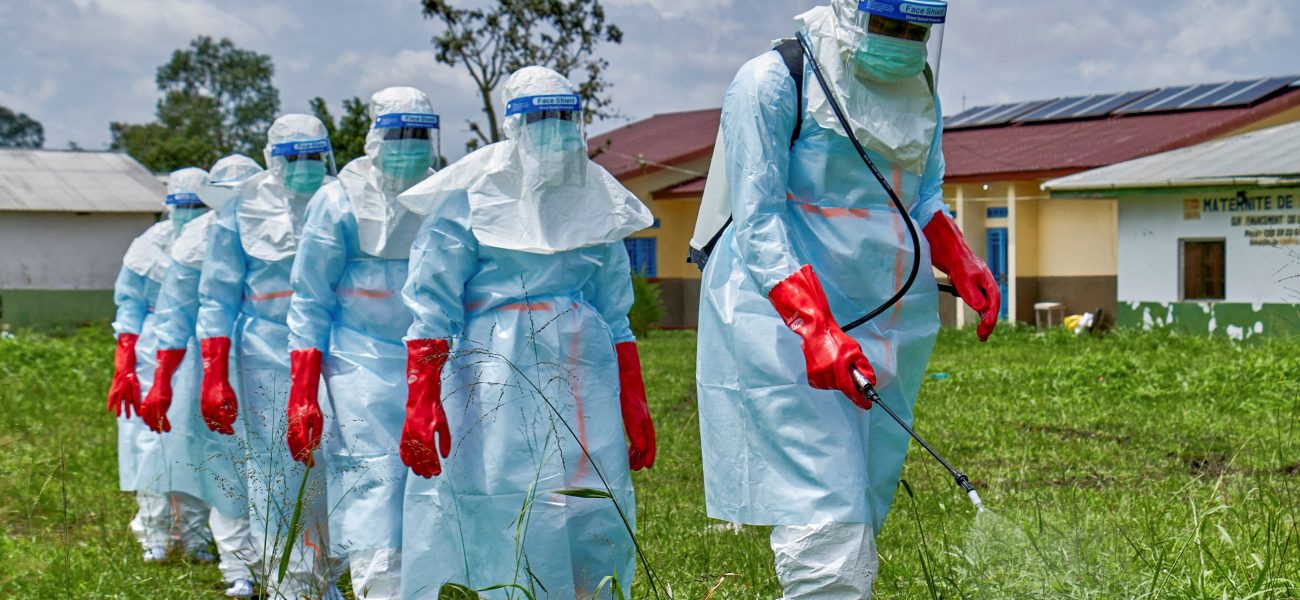
The Democratic Republic of Congo has, for years now, been a recurrent battleground against Ebola. It’s not just a medical challenge; it’s a security nightmare, complicated by regional instability and, sometimes, deep-seated distrust of outside intervention. When one looks at how many times the virus has resurfaced there, you can’t help but notice the resilience — and the strain — on local infrastructure. For example, during the 2018-2020 Ebola outbreak in North Kivu, over 3,400 cases were reported, resulting in more than 2,200 deaths, making it the second-largest Ebola outbreak on record, according to the World Health Organization (WHO).
But when you’ve got exposed Americans involved, the stakes get rerated, don’t they? All of a sudden, the conversation shifts from regional health to international incident. And now, the proposed solution seems to involve shuttling them to a different country entirely for what amounts to medical segregation. It’s a pragmatic move, perhaps, but it also carries echoes of a past where wealthier nations outsourced certain problems, health-related or otherwise, to regions deemed more ‘amenable’ to such arrangements.
It isn’t as simple as just moving people. There are logistical nightmares, sure. But there are also deep, historical anxieties at play. The entire African continent has, for centuries, borne the brunt of both internal — and externally-imposed burdens. But this arrangement, if it goes through, effectively positions Kenya as a designated ‘medical outpost’ for American interests—a subtle, perhaps unintended, colonial ghost flickering in the modern-day context of global health.
And let’s not pretend there isn’t a wider perception issue here. Policy makers in nations like Pakistan, which has its own history with international public health crises—remembering the political fallout from polio eradication efforts or the ongoing challenges of COVID-19 management in densely populated urban centers—might view such arrangements with a cautious eye. They’d question what precedents this sets for their own citizens caught in similar predicaments abroad, or indeed, how the global community would respond if a Western nation proposed quarantining their exposed nationals on Pakistani soil. It just doesn’t track symmetrically, does it? Because let’s face it, geopolitical clout still plays a heavy hand in defining whose health security is prioritized, and where the associated ‘inconveniences’ are ultimately parked.
📄 POLICY WIRE WHITEPAPER PUBLISHED: PAKISTAN'S NATIONAL SECURITY POLICY PRIORITIES
👉 READ BY CLICKING HEREBut Washington’s calculus probably boils down to risk mitigation — and domestic optics. No administration wants a potentially infected individual arriving on home soil and causing panic, even if the medical infrastructure to handle it’s supposedly top-notch. It’s about managing perception, pure — and simple. There are considerations for why this particular course of action was selected. And this isn’t necessarily about Kenya’s specific capabilities, but perhaps a readiness for such operations already being established there [QUOTE_PLACEHOLDER]. One must also consider the potential strains such an influx might place on Nairobi’s healthcare system, even for a limited, controlled group.
It’s worth remembering, too, that nations like Pakistan—a significant contributor to UN peacekeeping missions and humanitarian aid efforts in Africa—often provide robust medical and logistical support in challenging environments. The question remains why a direct evacuation to specialized medical facilities in Europe or the US, rather than a detour to an African hub, isn’t the primary recourse. It highlights a preference for what’s deemed a less disruptive — or politically contentious — solution.
Ultimately, it forces a conversation about equitable global health response. Are all lives valued equally when the chips are down? And where exactly do you draw the lines when trying to contain a contagion that respects no borders? These aren’t just academic questions anymore; they’re immediate, messy, — and loaded with geopolitical baggage. What an unfolding spectacle, really, watching how the powers that be juggle these epidemiological hot potatoes.
What This Means
The proposed quarantine of American citizens in Kenya, rather than a direct return to the United States, represents a fascinating, if slightly uncomfortable, inflection point in international disease control strategy. Economically, it could either position Kenya as a reliable, if perhaps reluctant, partner in global health security, potentially unlocking future collaborative health initiatives or aid. But it also risks the perception of ‘outsourcing’ medical risks, a narrative that could fuel resentment within the host nation and the broader region. Politically, the move—should it materialize—underscores a hierarchy in global public health. Nations with stronger geopolitical leverage can often dictate where disease control efforts, particularly those involving their own citizens, are conducted, sometimes leveraging the capacities of less affluent nations. This could set an uneasy precedent, especially concerning the movement and treatment of individuals from different national backgrounds during future pandemics. The irony won’t be lost on developing nations: while Western powers preach global responsibility, their practical actions sometimes prioritize domestic comfort over shared burdens.