


Concrete Coffins: Neglect Catches Up as Infrastructure Crumbles, Claims Lives
POLICY WIRE — Metropolis, Unnamed Region — Not every tragedy begins with a bang, but some do end in one. In a landscape often defined by the steady thrum of demolition — that ritualistic dismantling...

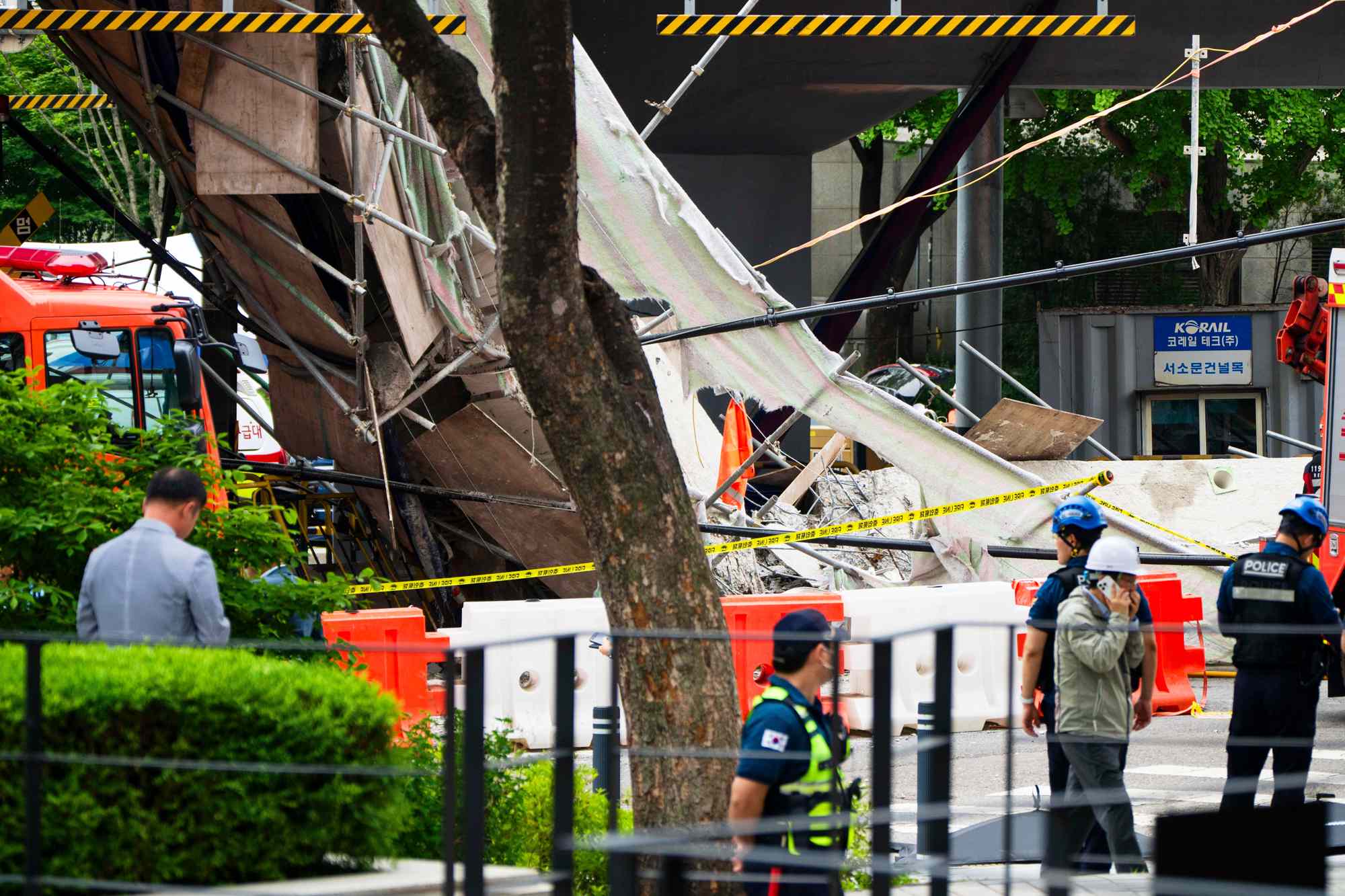
POLICY WIRE — Metropolis, Unnamed Region — Not every tragedy begins with a bang, but some do end in one. In a landscape often defined by the steady thrum of demolition — that ritualistic dismantling of the past for the supposed progress of tomorrow — a routine workday recently disintegrated into a tableau of twisted steel and splintered concrete. Three lives, we’re told, simply vanished under the weight of an aged overpass, with another three nursing injuries that, for now, spare them the grim distinction of those fallen.
It wasn’t an earthquake or some rogue act of nature that brought down the decades-old structure. It was just a job, really, taking apart a relic on a highway that had, for generations, symbolized movement and connection. But that symbolism collapsed, too. The incident — we’ll call it a collapse for lack of a better term for such predictable structural failure — happened at a site where folks were busy trying to undo what builders had once done. The official line from a local spokesperson was predictably terse: [QUOTE_PLACEHOLDER]. No elaborate details were offered on the sequence of events, nor the precise conditions leading to this swift, unforgiving end.
Demolition, by its very nature, isn’t for the faint of heart. It’s an exercise in controlled chaos. Except sometimes, the chaos gets a bit too controlling. Investigations are, naturally, getting underway, aimed at figuring out exactly who dropped the ball—or, more accurately, who failed to reinforce the structure before things went pear-shaped. You can bet your last dollar the engineers and construction companies involved are preparing their statements, sharpening their alibis. But the truth, the raw, gritty truth, often lies buried beneath the rubble, alongside the forgotten blueprints and ignored safety audits.
And what does an incident like this, occurring in a largely developed nation, tell us about the broader global infrastructure conundrum? We’re talking about an issue that isn’t confined to a single highway exit. Look, infrastructure across the planet is a Frankenstein’s monster of patchwork fixes — and deferred maintenance. You see it everywhere: the rusted bridges, the cracked dams, the pipelines that hemorrhage resources. It’s a chronic condition, affecting everything from daily commutes to national economies. For example, in 2021, the American Society of Civil Engineers (ASCE) gave US infrastructure a C- grade, estimating a multi-trillion-dollar investment gap.
But consider this through a different lens, too. Imagine similar projects in rapidly developing economies, say, in Pakistan. Countries there often wrestle with colossal infrastructure deficits while simultaneously battling corrupt contractors and strained public budgets. The same old story, just with higher stakes — and often, fewer safety nets. For them, every major bridge, every high-rise building, is a double-edged sword: a symbol of aspiration and potential, yes, but also a stark reminder of the fragile balance between progress and peril. Safety protocols? Enforcement? Sometimes those are aspirational goals themselves, pushed aside by timelines — and cost-cutting pressures. You don’t need an engineering degree to understand what that usually means.
The tragedy serves as a brutal reminder: when the ledger entries prioritize profit margins over human lives, things fall apart—quite literally. A seasoned foreman on site, wiping soot from his brow, offered little insight, merely stating, [QUOTE_PLACEHOLDER]. Not much solace for the families, of course. For them, the official investigations and pronouncements are just white noise against the silence left by their loved ones. They don’t want explanations; they want the day back, the one before the old concrete decided it couldn’t hold on anymore.
It’s not an isolated incident; we’ve seen similar scenes play out countless times globally, whether it’s a bridge collapsing in Genoa or a flyover failing in Kolkata. These aren’t just structural failures; they’re failures of governance, of oversight, of our collective willingness to invest in what protects us. They’re telling. Because ultimately, the health of our infrastructure is a direct reflection of the health of our society.
What This Means
This localized catastrophe is far more than an unfortunate industrial accident; it’s a stark metaphor for systemic decay. Economically, such events ripple out, causing immediate logistical disruptions, raising insurance premiums, and eroding public trust in large-scale development projects. There’s an inevitable uptick in calls for stricter regulatory oversight, which, while necessary, can slow down critical projects and increase costs, potentially affecting national GDP trajectories. Politically, the blame game is already underway. This incident, minor as it might seem in the grand scheme of national policy, offers political opportunists a convenient platform to criticize existing administrations for lax oversight or insufficient public works spending. For emerging economies, particularly across South Asia, this incident is a chilling echo. They struggle with their own dilapidated infrastructure, but often lack the regulatory framework and financial resources to proactively address vulnerabilities. The incident underscores a global fiscal dilemma: allocate massive, often unpopular, budgets to preventive maintenance, or face inevitable, and far more costly, reactive disasters—both in monetary terms and, chillingly, in human lives.
But the real consequence? It’s the silent erosion of faith. Folks start questioning whether the shiny new projects are built to last or just built to appease donors. That’s a hard hit to any government’s credibility, particularly when it comes to the public purse. And it’s not something you rebuild overnight.