


Cleveland’s Perpetual Youth Movement: A Bet on Tomorrow Amid Today’s Tight Budgets
POLICY WIRE — Cleveland, USA — It isn’t the flashing payrolls of distant megalopolises, nor the established star power of their eternal rivals, that define Cleveland’s baseball...

POLICY WIRE — Cleveland, USA — It isn’t the flashing payrolls of distant megalopolises, nor the established star power of their eternal rivals, that define Cleveland’s baseball experiment. No, what’s really happening here—underneath the turf, beyond the jumbotrons—is a profound, almost philosophical, bet on the boundless, sometimes maddening, potential of raw youth. A baseball organization, much like a struggling regional economy, must find its sustainable edge. For the Guardians, that means turning prodigies into profits, fast, — and before the bidding wars snatch ’em away.
President of Baseball Operations Chris Antonetti, a man whose tenure feels less like managing a roster and more like steering a delicate social contract, made it clear. This isn’t just about winning games; it’s about a pipeline, a conveyor belt of promise that, if managed right, keeps the whole enterprise humming. “There’s been a lot of progress with a number of our position players and pitchers, and their development and their contributions to helping us win games,” Antonetti remarked recently. But he isn’t naive. “And we know for us to be the team that we want to be at the end of the year and find a way to get to the postseason, that group will need to continue to contribute at a high level.” He’s right, of course. No surprises there. It’s the constant grind, the relentless pressure on kids fresh out of high school or college, to perform like seasoned veterans.
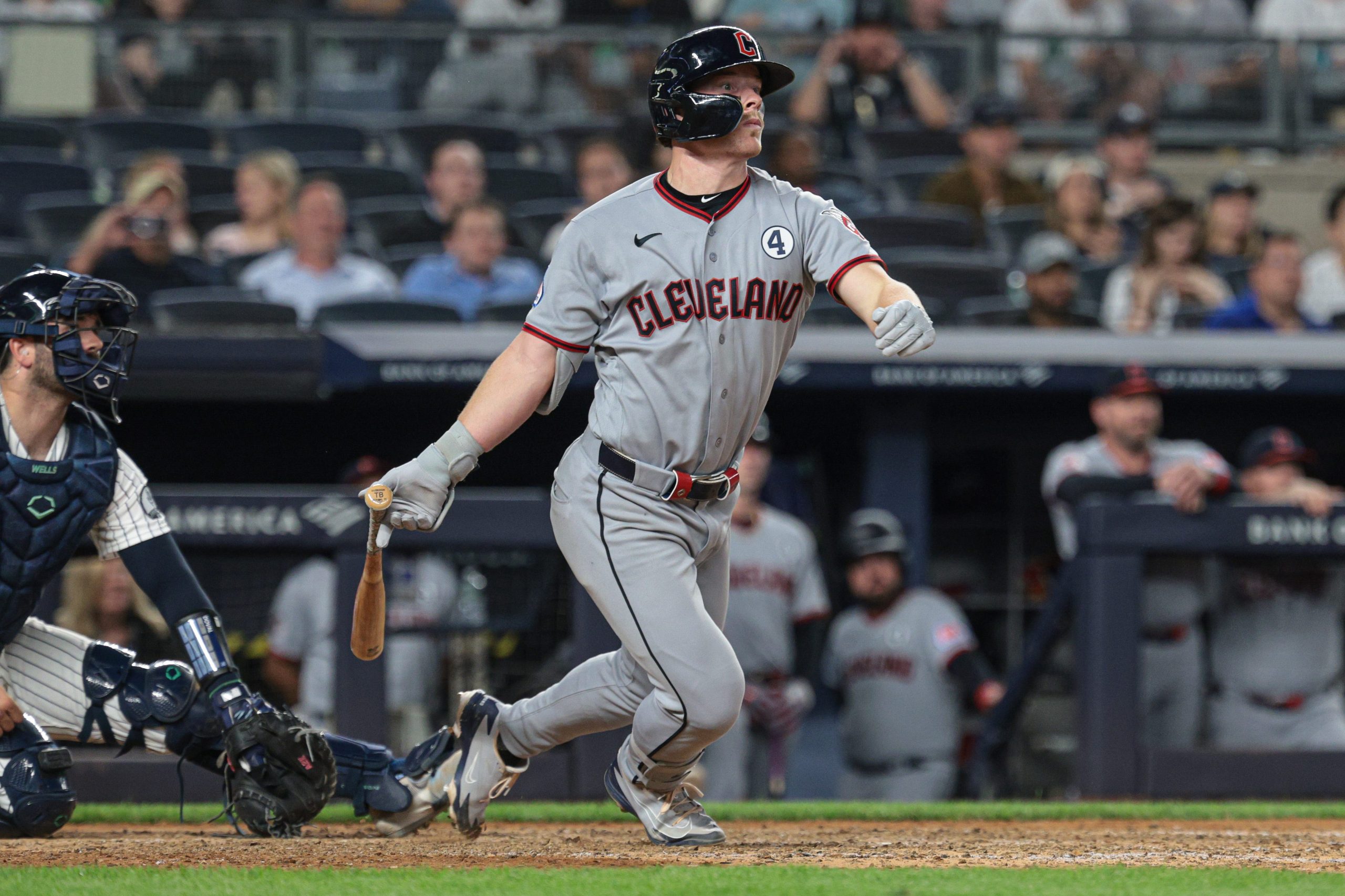
Take Travis Bazzana and Chase DeLauter. Two kids, barely out of their teens, thrust into the spotlight. Bazzana even had a four-RBI game. These guys aren’t just prospects anymore; they’re immediate impacts. “Both guys have obviously been a really big part of contributing to any offensive success we’ve had,” Antonetti observed, acknowledging the youth’s immediate lift. He points to their “process, their preparation,” as much as their stats, a revealing window into the psychological burden on these budding athletes. But let’s be real: preparation means squat without results. And this organization thrives on results from undervalued assets.
It’s not all fresh faces. The existing infrastructure, particularly with talents like Jose Ramirez, allows the younger crew to breathe a bit. Ramirez bats second, creating a buffer. Kyle Manzardo cleans up after him. It’s a classic lineup construction, shielding the unseasoned. The pitching staff, too, showcases this blend. Gavin Williams, with an impressive 9-3 record and a 3.20 ERA—per team statistics available on MLB.com—is already pitching like an ace. And Cade Smith, the closer, boasts 21 saves already this season, showing the steely nerves of a veteran, not a recent arrival.
This whole model, however, carries a quiet, simmering risk. Young players, by definition, haven’t peaked. They haven’t suffered the full litany of sports injuries. Their price tags haven’t inflated into the stratosphere. “The constant pursuit of fresh, affordable talent has become an economic imperative for many teams in smaller markets,” noted Eliza Harding, a veteran sports economic analyst for Playbook Analytics. “It’s a race against the salary cap — and a high-stakes gamble on human development. And you hope your investments pay off before bigger clubs come knocking.”
Because ultimately, for teams like Cleveland, young players are a dual-purpose asset: on-field production and future trade capital. Their value appreciates like a speculative stock. Brayan Rocchio, for example, quietly becoming one of the league’s top-hitting nine-hole hitters, is effectively auditioning every single game for both an extended stay in Cleveland and, potentially, a hefty trade package from a wealthier club.
But this isn’t solely an American phenomenon. The global hunger for athletic talent is immense, fueled by vast capital — and desperate ambitions. Teams from disparate leagues, even within a seemingly different sporting context like cricket in the Indian subcontinent or Pakistan, routinely scout and invest in raw talent from poverty-stricken regions, hoping to find the next generational player who can redefine a franchise’s fortunes. The stakes for sporting entities like this aren’t merely about wins and losses; they’re about global financial flows, branding, and attracting that next superstar, no matter where they emerge from. These younger Guardians are but a small, relatively provincial slice of a much larger, multi-billion dollar talent industry.
What This Means
The Guardians’ reliance on developing young players isn’t just a team strategy; it’s an economic statement. In an era where big-market teams often splurge on established superstars, Cleveland bets on scouting, development, and a dash of good fortune. It’s a policy of calculated scarcity, leveraging potential into tangible assets. The political implication here is subtle but telling: it highlights the disparity within professional sports, forcing some franchises to operate more like venture capitalists, constantly seeking undervalued startups to keep pace. Their success or failure isn’t just about entertainment; it’s a bellwether for what smaller-market franchises can achieve against the overwhelming financial might of their larger competitors. This model, if it truly pans out and results in deep playoff runs, could offer a blueprint for others stuck in similar situations, showcasing how ingenuity, patience, and shrewd personnel management can offset budgetary limitations. But the margin for error is razor-thin. One wrong draft pick, one missed development curve, — and the whole intricate structure starts to wobble. This isn’t just a season for Cleveland; it’s a living, breathing case study in sporting resilience.