

Celtic’s New Fabric of Legend: How Global Commerce Weaves History into a Jersey
POLICY WIRE — Glasgow, Scotland — The relentless cycle of global sporting commerce rarely pauses for reflection, does it? Instead, it prefers to monetize it. So it was this week when Celtic FC, in...

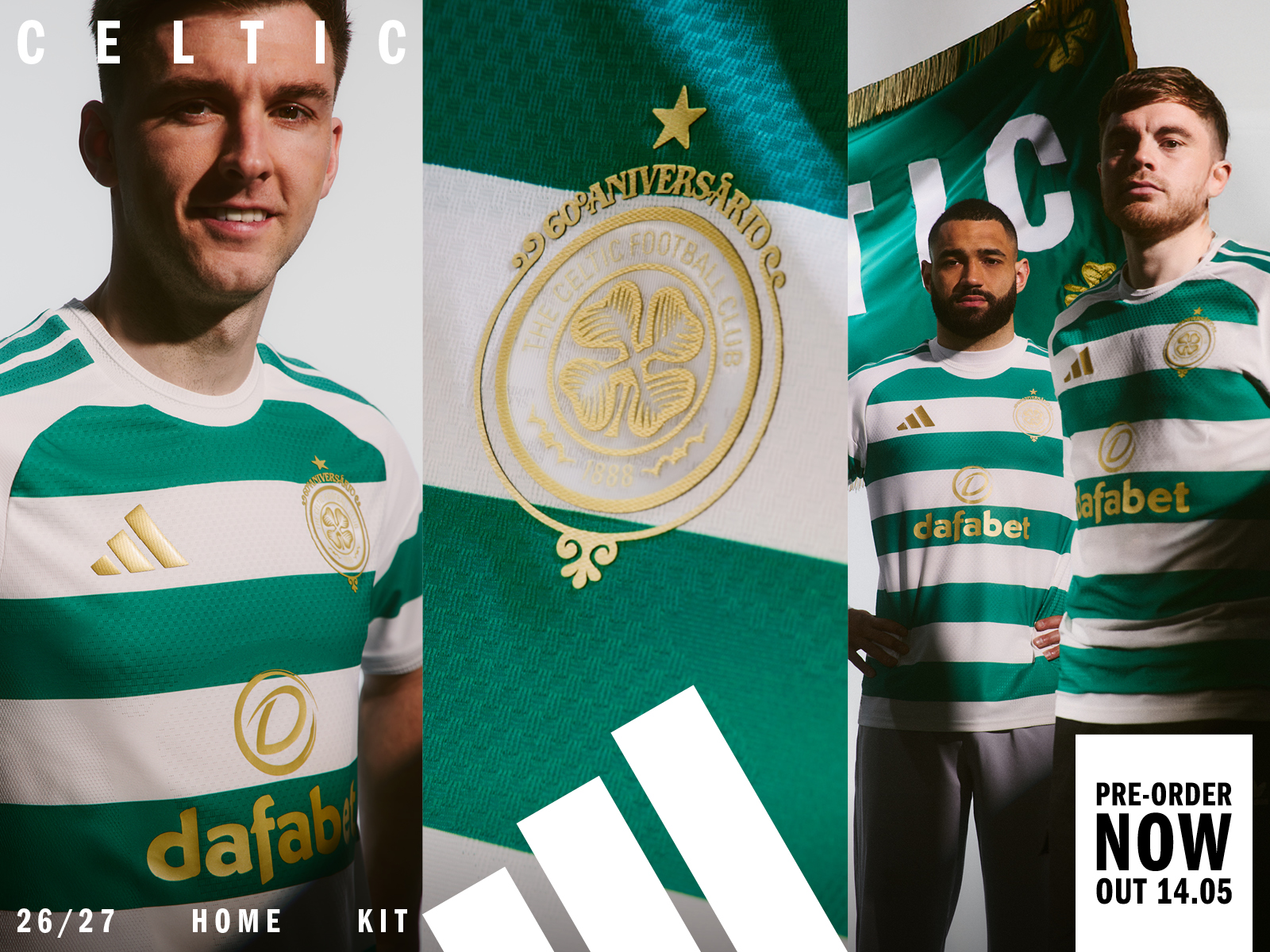
POLICY WIRE — Glasgow, Scotland — The relentless cycle of global sporting commerce rarely pauses for reflection, does it? Instead, it prefers to monetize it. So it was this week when Celtic FC, in concert with sportswear titan adidas, trotted out its 2026/27 home kit, a sartorial homage ostensibly engineered to commemorate the diamond jubilee of the club’s seminal 1966/67 European Cup victory. But beneath the slick marketing and the gleaming gold accents lies a more intricate tapestry—one woven with threads of heritage, fanatical loyalty, and the unforgiving economics of modern football.
It’s not just a jersey; it’s a carefully calibrated artifact of manufactured nostalgia. This latest iteration, unveiled to an eager public for pre-order ahead of its May 14 street date, is designed—or rather, strategized—to tap directly into the emotional wellspring of the ‘Lisbon Lions,’ that mythical squad who brought Europe’s most coveted trophy to Celtic Park. Their triumph, a testament to local talent and unwavering spirit, now finds itself emblazoned on a garment intended for mass consumption, retailing at a premium price point.
And what a garment it’s. Adorned with gold detailing, including a special crest commemorating six decades since that apocryphal season, the kit comes in two tiers: an ‘authentic’ version featuring a lenticular heat transfer crest for the dedicated, and a ‘replica’ with a gold embroidered variant for the masses. Both, we’re told, boast adidas’s signature CLIMACOOL technology, ensuring peak performance or, at the very least, comfortable spectating. The commercial imperative, it seems, spares no detail.
“We understand the profound emotional connection our supporters have to the Lisbon Lions,” remarked Fiona MacLeod, Celtic’s Head of Commercial Operations, in a statement provided to Policy Wire. “This kit isn’t merely merchandise; it’s a wearable piece of history, a symbol of what makes Celtic unique. It’s about honouring the past while securing a vibrant future for the club through strategic partnerships.” It’s a delicate dance, surely, between sentiment and spreadsheet.
But doesn’t such aggressive commodification risk diluting the very essence it seeks to celebrate? “There’s an undeniable tension,” shot back Dr. Imran Khan, a cultural historian specializing in sports sociology at the University of Edinburgh. “Clubs like Celtic operate as multinational corporations now. Their history, their heroes—they’re assets to be leveraged. It’s not inherently nefarious, but we’ve got to ask: at what point does commemoration morph into commercial exploitation? Are fans buying history, or are they just buying into the latest branding exercise?” Good question, that.
At its core, this kit launch underscores the global reach of Europe’s footballing behemoths. While rooted in Glasgow, Celtic’s brand transcends national borders, cultivating fervent followings among diasporic communities worldwide. Think of the significant South Asian populations across the UK, many of whom have adopted European clubs with a passion that rivals—or even surpasses—that of local fans. For second and third-generation Pakistanis in Scotland, for example, supporting Celtic isn’t just about football; it’s about integration, identity, and finding a connection to a local cultural institution. The kit becomes a badge of allegiance, a tangible link to a storied past that they’ve made their own, often without having stepped foot in Glasgow.
Still, the financial stakes are astronomical. The global sports apparel market, valued at over $180 billion in 2023, continues its relentless expansion, according to figures from *Sports Business Analytics Quarterly, Q4 2023*. Clubs like Celtic are, in essence, content providers and brand vehicles, their kits serving as seasonal flagship products in a sprawling retail empire. The modelling of the new kit by current legends, Captain Kelly Clark from the women’s team and the men’s most decorated player, James Forrest, only reinforces this strategy—bridging the gap between the venerated past and the aspirational present, giving fans current heroes to connect with the historical narrative.
What This Means
This isn’t merely about new threads for Celtic faithful; it’s a microcosm of the broader political economy of global sports. The aggressive marketing of heritage, exemplified by this kit, reveals how deeply football clubs are integrated into a consumerist framework where intangible cultural assets—like a glorious past or a loyal fanbase—are meticulously monetized. Economically, these kit deals represent significant revenue streams, cushioning clubs from the vagaries of on-field performance and ensuring financial stability. Adidas, in turn, gets to align its formidable brand with Celtic’s rich history, tapping into a ready-made global market. This symbiotic relationship, however, occasionally sparks friction, as other clubs have found when commercial decisions clash with fan sentiment.
Politically, the kit’s symbolic weight is profound. It’s a tool for identity affirmation, particularly for diaspora communities who find in clubs like Celtic a powerful link to their adopted homes and a source of collective pride. This can foster social cohesion but also—in the often tribal world of football—reinforce existing divides. It’s a tricky balance clubs must constantly navigate. Ultimately, the 2026/27 Celtic home kit isn’t just a uniform; it’s a meticulously crafted policy statement, signaling the club’s unwavering commitment to leveraging its formidable history for commercial advantage, all while carefully tending the flame of fan loyalty. One can’t help but wonder what the Lisbon Lions themselves would make of it all.